
HEALTH
Macadamia Nut Milk: Should Be Your Next Dairy Alternative

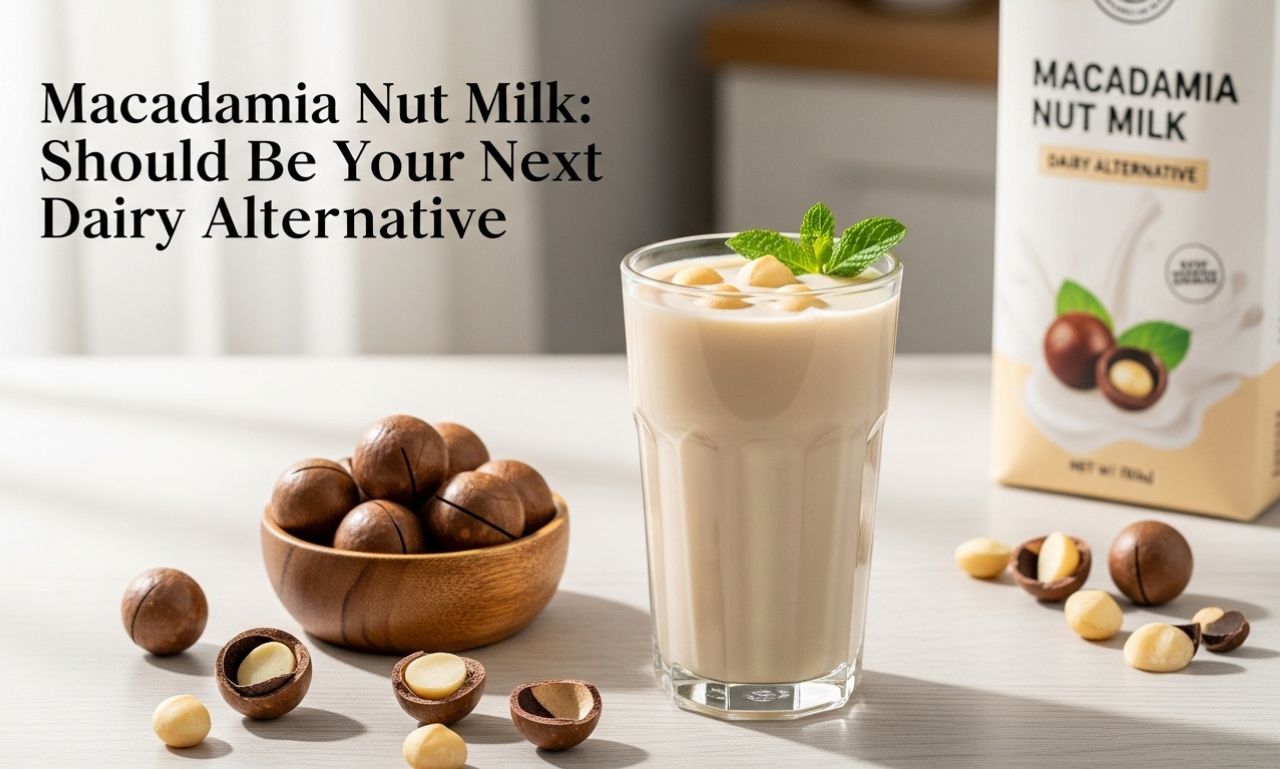
In a world where dietary preferences are evolving rapidly, finding the perfect milk substitute can feel overwhelming. Enter macadamia nut milk, an emerging star in the dairy alternative scene that’s rich, creamy, and packed with flavor. This delightful beverage not only tantalizes your taste buds but also offers a host of health benefits. Whether you’re lactose intolerant, vegan, or simply looking to diversify your diet, macadamia nut milk is here to impress. Curious about what makes this nut-based drink so special? Let’s dive into the details!
What is Macadamia Nut Milk?
Macadamia nut milk is a creamy, plant-based beverage made from crushed macadamia nuts and water. Its rich texture sets it apart from other dairy alternatives, making it a delightful addition to smoothies, coffee, or simply enjoyed on its own.
The process involves blending soaked macadamias with water, then straining the mixture to create a silky liquid. This nut milk captures the subtle buttery flavor of macadamias while being free from lactose and cholesterol.
Besides tasting great, macadamia nut milk offers an array of nutrients. It’s packed with healthy fats and vitamins that nourish your body. With its rising popularity among health enthusiasts, it’s quickly becoming a go-to choice for those seeking dairy-free options.
Whether you’re vegan, lactose intolerant or just curious about new flavors in your kitchen, this nut-based drink deserves attention. It’s not just an alternative; it’s an experience waiting to be explored.
The rise of dairy alternatives
The dairy industry is experiencing a significant shift as consumers seek alternatives. This change aligns with growing awareness about health, sustainability, and ethical concerns.
Plant-based products are surging in popularity. From almond to oat milk, the options seem endless. Macadamia nut milk has emerged as a standout choice for those looking to diversify their diets.
As more people embrace veganism or reduce animal product consumption, businesses are responding. Supermarkets now feature entire aisles dedicated to non-dairy options.
Social media platforms amplify this trend by showcasing innovative recipes and lifestyle choices centered around dairy alternatives. Influencers promote plant-based living and its benefits, further fueling interest in these products.
With advancements in production techniques, flavor profiles have improved significantly. Consumers no longer feel limited by taste or texture when exploring non-dairy milks; they can enjoy rich flavors without sacrificing quality or nutrition.
Health benefits of macadamia nut milk
Macadamia nut milk is not just a creamy delight; it also packs a punch when it comes to nutrition. Rich in healthy monounsaturated fats, this dairy alternative can support heart health by helping to lower bad cholesterol levels.
It’s naturally low in carbohydrates and sugars, making it an excellent choice for those following keto or low-carb diets. Plus, macadamia nuts are loaded with antioxidants that combat oxidative stress and inflammation.
Another standout feature is its vitamin E content. This essential nutrient promotes skin health and enhances immune function.
If you’re looking for calcium sources, many brands fortify their macadamia nut milk with added calcium and vitamins D and B12, crucial for bone strength and overall vitality.
This delightful drink offers more than just great taste; it’s a nourishing option for anyone seeking healthier lifestyle choices.
How to make macadamia nut milk at home
Making macadamia nut milk at home is simple and rewarding. Start with one cup of raw macadamia nuts. Soak them in water for about four hours to soften.
Once soaked, drain the nuts and rinse them well. Place them in a blender with four cups of filtered water. Blend on high until smooth and creamy.
Next, strain the mixture through a cheesecloth or nut milk bag into a large bowl or pitcher. Squeeze out as much liquid as possible; this will give you that rich texture.
You can sweeten your milk if desired by adding a splash of vanilla extract or a date before blending again briefly. Store your homemade macadamia nut milk in an airtight container in the fridge for up to five days.
Now you have fresh, delicious macadamia nut milk ready for coffee, smoothies, or just sipping!
Comparing macadamia nut milk to other dairy alternatives
When it comes to dairy alternatives, macadamia nut milk stands out among the crowd. Its rich and creamy texture offers a luxurious experience that many other plant-based milks struggle to replicate.
Almond milk is popular but often has a thinner consistency. While it’s low in calories, it doesn’t provide the same fullness as macadamia nut milk does.
Soy milk is another contender with its high protein content, yet some people find its flavor too strong or be concerned about allergies. Macadamia nut milk delivers a gentle taste profile that blends seamlessly into various dishes.
Oat milk has gained traction for its sustainability factors but can sometimes be overly sweetened or high in carbs. In contrast, strikes an appealing balance between flavor and health benefits.
Each alternative has its unique advantages; however, the smoothness of macadamia nut milk makes it particularly versatile for both drinking straight or using in recipes.
Incorporating macadamia nut milk into your diet
Incorporating macadamia nut milk into your diet is simple and delightful. Start by using it as a creamy base for smoothies. It blends beautifully with fruits, adding an extra layer of richness.
You can also swap out cow’s milk in your morning cereal or oatmeal. The subtle nutty flavor elevates the dish while keeping it dairy-free.
For coffee lovers, try macadamia nut milk as a creamer. It enhances your brew with its velvety texture and unique taste, making every sip more enjoyable.
Baking? Substitute regular milk in recipes for cakes or muffins with this plant-based alternative to introduce a new twist on classic favorites.
Don’t forget about savory dishes! Use it in soups or sauces to create a luxurious finish that surprises the palate without overwhelming other flavors.
Future of dairy alternatives
The future of dairy alternatives looks promising, driven by evolving consumer preferences and growing health awareness. As more people adopt vegan or lactose-free lifestyles, the demand for innovative plant-based options continues to surge.
Advancements in technology are also playing a key role. Companies are exploring new methods for extracting flavors and nutrients from nuts, seeds, and grains, enhancing the taste profiles of products like macadamia nut milk.
Sustainability is another crucial factor. With increasing concerns about climate change and resource depletion, brands are focusing on environmentally friendly practices. This includes sourcing ingredients responsibly and using eco-conscious packaging solutions.
Culinary creativity will flourish too. Expect to see an array of unique blends with spices, fruits, or functional additives that cater to diverse palates while boosting nutritional benefits.
As this category evolves further, consumers can anticipate even more delightful surprises on their grocery shelves.
Conclusion
Macadamia nut milk is quickly becoming a favored choice among those seeking dairy alternatives. With its rich, creamy texture and subtle nuttiness, it’s easy to see why more people are making the switch.
The benefits of extend beyond flavor. It offers unique health advantages like heart-healthy fats and lower calories compared to traditional dairy. This makes it an appealing option for various diets—whether you’re lactose intolerant, vegan, or simply looking to diversify your nutrition.
Making at home is straightforward. Just blend soaked nuts with water and strain through a cheesecloth or fine mesh bag. You can customize it by adding sweeteners or flavors according to your taste preferences.
When comparing with other dairy alternatives such as almond or oat milk, its distinct flavor profile stands out. Many find that the creaminess of macadamia enhances beverages like coffee or smoothies without overpowering them.
Incorporating this delicious plant-based drink into your daily routine could provide variety while keeping meals interesting. Pour it over cereal, use it in baking recipes, or enjoy it straight from the glass for a refreshing treat.
As the market for dairy alternatives continues evolving, looks poised for growth alongside other alternative options. Its unique characteristics make it worthy of consideration within any healthy lifestyle framework.
Embracing new foods can open doors to exciting culinary experiences while meeting nutritional needs effectively. Macadamia nut milk has many qualities that make it not just another trend but a delightful addition worth exploring further in your diet.


The term FUPA has become increasingly common in conversations about body image, health, and wellness. While often used casually online, understanding what it actually means — and how it relates to health — can help reduce stigma and promote body awareness. This guide explores the meaning of FUPA, its causes, health facts, and modern perspectives on body positivity and self-care.
What Is FUPA?
FUPA stands for “Fat Upper Pubic Area.” It refers to the layer of fatty tissue located just above the pubic bone and below the lower abdomen. This area can be more noticeable for some individuals due to body composition, genetics, or life changes.
It’s important to understand that having a FUPA is very common and completely normal. Many people of different body types, genders, and ages experience it at some point in their lives.
Common Causes of FUPA
There isn’t just one reason someone may develop a FUPA. Several factors can contribute:
1. Weight Gain
When the body stores excess fat, it often accumulates in the lower abdomen and pelvic area. Some people are genetically predisposed to store fat here more than in other areas.
2. Genetics
Genetics play a significant role in determining where your body stores fat. If family members tend to carry weight in the lower abdomen, you may experience the same pattern.
3. Pregnancy
After pregnancy, stretched skin and changes in abdominal muscles can make the area above the pubic bone more prominent. This is completely natural and part of postpartum body changes.
4. Aging
As we age, metabolism slows and skin elasticity decreases. These changes can lead to fat accumulation and sagging in the lower abdominal region.
5. Hormonal Changes
Hormonal fluctuations, particularly involving estrogen and cortisol, can influence fat storage patterns and contribute to FUPA development.
6. Surgical Procedures
Procedures such as C-sections may alter tissue distribution and create a visible lower abdominal bulge.
Is FUPA a Health Concern?
In most cases, FUPA is not a medical issue. It’s primarily a cosmetic concern. However, it can sometimes be linked to:
- Overall body fat percentage
- Sedentary lifestyle
- Hormonal imbalances
- Core muscle weakness
That said, many people with a FUPA are perfectly healthy. Health should be evaluated holistically rather than focusing on one body area. ❤️
Health Facts About FUPA
Here are some key facts that help put things into perspective:
- Having a FUPA does not automatically mean you are unhealthy
- Spot reduction (losing fat in one specific area) is difficult
- Core strength exercises can improve muscle tone beneath the area
- Diet and overall fat loss may reduce its appearance
- Body shape varies widely — and that’s normal
Can You Reduce FUPA?
While you can’t specifically target fat loss in one area, lifestyle changes can help reduce overall body fat and improve muscle tone.
1. Balanced Nutrition
Focus on:
- Lean proteins
- Whole grains
- Fruits and vegetables
- Healthy fats
- Hydration
Reducing processed foods and sugar can support fat loss.
2. Strength Training
Exercises that target the core and lower abdomen can improve muscle tone:
- Planks
- Leg raises
- Mountain climbers
- Bicycle crunches
3. Cardiovascular Exercise
Activities like walking, cycling, and swimming help burn calories and reduce overall fat.
4. Posture and Core Engagement
Improving posture and strengthening the core can make the lower abdomen appear flatter.
5. Consistency Matters
Sustainable lifestyle changes work better than quick fixes.
Modern Perspectives: Body Positivity & Acceptance
In recent years, conversations around FUPA have shifted from criticism to acceptance and body positivity. Social media and wellness communities increasingly promote:
- Natural body diversity
- Postpartum body appreciation
- Realistic fitness goals
- Mental health awareness
- Self-confidence regardless of shape
Many advocates encourage people to focus on how their body functions, not just how it looks.
Psychological Impact
Body image concerns related to FUPA can affect confidence. It’s important to:
- Avoid comparing yourself to edited images
- Focus on health, not perfection
- Practice self-compassion
- Wear clothes that make you comfortable
Confidence comes from acceptance and self-care.
Medical and Cosmetic Options
Some people explore professional options, such as:
- Non-invasive fat reduction treatments
- Skin tightening procedures
- Surgical solutions (like liposuction)
These choices are personal and should be discussed with qualified professionals.
Key Takeaways
- FUPA stands for Fat Upper Pubic Area
- It is extremely common and normal
- Causes include genetics, weight gain, pregnancy, and aging
- It’s usually not a health issue
- Lifestyle changes may reduce its appearance
- Body positivity encourages acceptance
Frequently Asked Questions (FAQ’s)
What does FUPA stand for?
FUPA means “Fat Upper Pubic Area,” referring to fat accumulation above the pubic bone.
Is having a FUPA unhealthy?
No, it is usually not unhealthy and is often just a natural body feature.
Can exercise remove FUPA?
Exercise can help reduce overall body fat and tone muscles, but spot reduction is difficult.
Is FUPA common after pregnancy?
Yes, many people experience it due to stretched skin and muscle changes.
Can thin people have a FUPA?
Yes, even people with low body fat can have one due to genetics or anatomy.
Final Thoughts
FUPA is a normal and common body feature experienced by many people. Rather than focusing solely on appearance, modern perspectives emphasize health, confidence, and self-acceptance. Whether someone chooses to work toward reducing it or embracing it, the most important goal is maintaining overall well-being.


The field of physiotherapy is evolving rapidly, driven by advancements in digital health technologies and changing patient expectations. One of the most promising developments in recent years is Remote Therapeutic Monitoring (RTM), a model that enables physiotherapists to track patient progress, symptoms, and adherence to treatment plans outside of traditional clinic visits. As healthcare continues to shift toward more accessible, efficient, and patient-centered care, many professionals are asking: Is RTM the future of physiotherapy?
A Shift Toward Continuous Care
Traditionally, physiotherapy has been structured around scheduled, in-person sessions. While effective, this model has limitations. Progress between visits is often based on patient recall, and clinicians have limited visibility into how well patients are following their prescribed home exercise programs.
RTM addresses this gap by introducing continuous care. Through mobile apps, digital platforms, and sometimes wearable devices, physiotherapists can receive real-time or near real-time updates on patient activity, pain levels, and functional improvements. This allows for more informed clinical decisions and timely adjustments to treatment plans. As a result, care becomes more dynamic rather than static, an important step forward in improving rehabilitation outcomes.
Enhancing Patient Engagement and Accountability
One of the biggest challenges in physiotherapy is ensuring patient adherence to prescribed exercises. Many patients struggle with consistency once they leave the clinic. RTM helps overcome this barrier by creating a structured and interactive experience. Features such as reminders, progress tracking, and direct communication with clinicians encourage patients to stay engaged. Knowing that their progress is being monitored can also increase accountability. Over time, this leads to better compliance, which is directly linked to improved recovery outcomes.
Additionally, RTM empowers patients by giving them a more active role in their own care. Instead of being passive recipients of treatment, they become participants in a guided recovery process.
Data-Driven and Personalized Treatment
Another reason RTM is gaining traction is its ability to support data-driven care. Instead of relying solely on periodic assessments, physiotherapists can access a steady stream of patient-reported outcomes and activity data.
This continuous feedback allows clinicians to identify trends, detect potential issues early, and tailor interventions more precisely. For example, if a patient reports increased pain after a specific movement pattern, the physiotherapist can quickly modify the exercise plan to prevent further strain.
Over time, this level of personalization can lead to more efficient recovery pathways and higher patient satisfaction.
Expanding Access to Care
RTM also plays a crucial role in improving access to physiotherapy services. Not all patients can attend frequent in-person sessions due to time constraints, mobility issues, or geographic barriers. Remote monitoring reduces the need for constant clinic visits while still maintaining a high level of care. This is particularly valuable for:
- Patients in rural or underserved areas
- Individuals with chronic conditions requiring long-term management
- Post-operative patients who benefit from close monitoring but limited travel
By extending care beyond the clinic, RTM makes physiotherapy more inclusive and accessible.
Supporting a Hybrid Care Model
Rather than replacing traditional physiotherapy, RTM is best understood as part of a hybrid care model. In-person sessions remain essential for assessments, manual therapy, and hands-on techniques. However, RTM enhances these sessions by providing continuity between visits.
This blended approach allows physiotherapists to focus in-clinic time on higher-value interventions while using remote monitoring to maintain progress and communication in between. It creates a more efficient and balanced care delivery system.
Benefits for Clinics and Providers
From a clinical and operational standpoint, RTM offers several advantages:
- Improved efficiency: Clinicians can monitor multiple patients without requiring additional in-person appointments
- Better outcomes: Continuous oversight leads to fewer setbacks and more consistent progress
- Stronger patient relationships: Ongoing communication builds trust and retention
- New service opportunities: Clinics can offer remote care programs as part of their treatment packages
As healthcare systems increasingly focus on outcomes and value-based care, these benefits position RTM as a strategic advantage for forward-thinking clinics.
Challenges to Consider
Despite its potential, RTM is not without challenges. Successful implementation requires thoughtful planning and adaptation.
- Technology adoption: Some patients may find digital tools difficult to use
- Patient compliance: Monitoring is only effective if patients consistently input data
- Workflow integration: Clinics need systems that fit seamlessly into their existing processes
- Data privacy and security: Ensuring compliance with healthcare regulations is essential
Addressing these challenges is key to unlocking the full potential of RTM.
Looking Ahead: A New Standard of Care?
As digital health continues to evolve, RTM is likely to become an increasingly important component of physiotherapy. It aligns with broader trends such as personalized medicine, preventative care, and technology-enabled healthcare delivery.
While it may not fully replace traditional methods, RTM is poised to redefine how care is delivered. Clinics that adopt this approach early are better positioned to meet modern patient expectations and stay competitive in a changing healthcare landscape.

Wellhealthorganic vitamin b12, sometimes called cobalamin, plays an important role in many biological processes. It’s essential for healthy red blood cell development, brain function, and nervous system health, and it dissolves easily in water. The purpose of this page is to provide a more in-depth look at vitamin B12, including its history, uses, benefits, hazards, and helpful hints for keeping levels up.
Sources of Vitamin B12
Foodstuffs derived from animals, such as meat, fish, eggs, and dairy, are the most common food sources of vitamin B12. In order to receive enough B12 on a vegetarian or vegan diet, fortified cereals, nutritional yeast, and supplements are necessary additions to the diet.
Health Benefits of Vitamin B12
Vitamin B12 has numerous uses and advantages. Red blood cell synthesis benefits from it greatly, leading to increased stamina and general nervous system health. Fatigue, anemia, and neurological problems have all been linked to its lack.
Vitamin B12 from WellHealthOrganic has many positive effects on health.
- Energy Boost: Adequate vitamin B12 consumption helps turn food into energy, lowering weariness and improving vigor.
- Neurological Health: B12 is essential for normal brain and nervous system functioning and may help stave off memory loss and dementia.
- Red Blood Cell Production: It helps the body make more red blood cells, which is good for fighting off anemia and maintaining a healthy heart.
- Mood and Mental Health: Vitamin B12 has been associated with better mood and mental health.
- Skin and Hair Health: Skin, hair, and nails benefit from B12 as well.
Vitamin B12 Deficiency
B12 deficiency is important to recognize because it can affect people of any age. People of advanced age, vegetarians, and those with preexisting health concerns are particularly vulnerable. Weakness, numbness, and mental fog might all be indicative of a more serious condition.
Recommended Intake of Vitamin B12
The average daily need shifts with age and lifestyle. Pregnant women have special needs that differ from those of other adults and children. The most important thing is to get enough of it every day.
How to Absorb Vitamin B12 Better
Age, intestinal health, and some drugs all have a role in B12 absorption. B12 absorption can be improved through a combination of eating mindfully and consuming B12-rich foods or supplements.
The Link Between B12 and Well-being
Vitamin B12 has effects on both the brain and the body, making it essential to good health. Having a steady supply on hand can improve your disposition, memory, and brain power.
Special Considerations and Risks
B12 is necessary, but there are risks associated with taking too much of it. Possible drug or supplement interactions should be thought about. A medical expert should be consulted for advice.
Vitamin B12 and Diet Choices
Finding enough sources or supplements becomes crucial for preventing B12 insufficiency for people following specific dietary choices like veganism or vegetarianism.
Supplements and Forms of Vitamin B12
There are several different B12 supplements to choose from. It is essential to tailor the dosage and delivery method to each person’s specific requirements.
Understanding B12 Testing
It is helpful to monitor B12 levels in the body with periodic blood tests. Keeping your B12 levels in check requires that you fully grasp these findings.
Vitamin B12 and Aging
The ability of the body to absorb B12 effectively declines with age. The elderly confront unique issues that necessitate special dietary and nutritional concerns.
Myths and Facts about Vitamin B12
The vitamin B12 is often misunderstood. In order to make educated decisions, it is crucial to dispel these fallacies with hard information.
Practical Tips for Incorporating B12 into Daily Routine
Maintaining healthy B12 levels is as easy as making a few little adjustments to one’s diet and taking a daily supplement.
Conclusion
Vitamin B12 is an important nutrient that affects both physical and mental health in a variety of ways. Optimal health requires an understanding of its origins, advantages, and threats. Vitamin B12 is an essential component for maintaining good health and living a long and happy life. WellHealthOrganic Vitamin B12 is an excellent option for people looking for a safe and long-lasting supply of vitamin B12. Because of its high bioavailability, guaranteed quality, and dedication to sustainability, this supplement might be an excellent addition to your health and wellness routine. If you have any preexisting health ailments or concerns, it is highly recommended that you speak with your doctor before beginning any new supplement regimen. Get WellHealthOrganic Vitamin B12 right now and take charge of your health!
FAQ’s
Q: What is WellHealthOrganic Vitamin B12?
WellHealthOrganic Vitamin B12 is a dietary supplement that contains the titular vitamin. The formula was developed to boost stamina, brain power, and erythrocyte count.
Q: Why is Vitamin B12 Important?
Vitamin B12 is essential for normal neuron and DNA production and red blood cell development. It also helps avoid anemia and boosts energy levels in general.
Q: How should I take WellHealthOrganic Vitamin B12?
Dosage instructions could be different. If you want specific advice, ask a doctor or pharmacist for help instead of winging it.
Q: Are There Any Side Effects of WellHealthOrganic Vitamin B12?
Vitamin B12 pills are considered safe when used properly. Minor adverse effects, such as diarrhea or itching, may occur in some people. If you have any negative effects, you should see a doctor.
Q: Is WellHealthOrganic Vitamin B12 Suitable for Vegans and Vegetarians?
Vitamin B12 is mostly found in animal sources, thus vegans and vegetarians may need to take a supplement to ensure they get enough in their diet. The B12 in WellHealthOrganic is likely to be vegan-friendly because it comes from a non-animal source.
-

 TOPIC8 months ago
Aiyifan: The Digital Platform Transforming Access to Asian Entertainment
-

 TOPIC6 months ago
v4holt: Revolutionizing Digital Accessibility
-

 TOPIC8 months ago
Molex 39850-0500: An In-Depth Overview of a Key Connector Component
-

 blog7 months ago
Black Sea Body Oil: A New Standard in Natural Skincare
-

 TOPIC6 months ago
Mamuka Chinnavadu: An Exploration of Its Significance and Cultural Impact
-

 TOPIC7 months ago
Gessolini: Minimalist Aesthetic Rooted in Texture
-

 TOPIC8 months ago
Manguonmienphi: Understanding the Concept and Its Impact
-

 TOPIC9 months ago
Dorothy Miles: Deaf Poet Who Shaped Sign Language