
TOPIC
Buší Cuisine: Unveiling the Ancient Flavors of Guam


A culinary heritage with strong historical roots, Buší Cuisine, is proudly practiced on the Pacific island of Guam, which is home to a diverse range of cultures. The historic flavors that have been passed down through generations are revealed on this unique gourmet tour, which reflects the vivid past of the island. Join me on a gastronomic journey that transcends flavor as we investigate the origins, essential components, cooking techniques, most beloved dishes, and recent renaissance of Buš’í Cuisine.
Historical Roots of Buší Cuisine
Traditional Chamorro practices coexisted with Spanish, Filipino, and other Pacific islander practices throughout Guam’s fascinating history. This varied cultural environment is where Buší Cuisine was born, with recipes and culinary methods handed down from generation to generation. A interesting tale of Guam’s past emerges as we follow the culinary chronology, which traces the growth of ingredients and processes.
Key Ingredients in Buší Cuisine
The distinct flavors of Buší Cuisine are defined by the one-of-a-kind local ingredients. Breadfruit, taro, and coconut are some of the indigenous ingredients that are essential to these dishes. Each meal is elevated to a sensory level above what one would expect from contemporary cuisine because to the use of fragrant herbs and spices, some of which are unique to Guam.
Traditional Cooking Methods
In Buší Cuisine, the procedure is more important than the materials alone. Simmering, smoking, and earth oven methods are common in traditional cooking, which is frequently a communal activity. These techniques highlight the significance of communal dining experiences while also adding to the unique flavor.
Popular Buší Dishes
Every one of Buší Cuisine’s hallmark dishes, from Kelaguen to Kadon Pika, has a tale to tell. These meals are more than that; they are cultural expressions, frequently associated with rites and festivities. As you savor each piece of Buʡí cuisine, you are revealing more and more of Guam’s rich cultural history.
Modern Interpretations of Buší Cuisine
Where tradition meets innovation, Buší Cuisine has discovered a home in the world of gastronomic fusion. Modern adaptations of Buʡí flavors are being explored by both chefs and home cooks, who are incorporating current techniques while remaining faithful to the original recipes. This adaptable method guarantees that Buš’í Cuisine will continue to be significant in the varied culinary scene of today.
Preserving Guam’s Culinary Heritage
Members of the local community, as well as culinary specialists and cultural aficionados, work together to preserve Buší cuisine. Preserving Guam’s culinary legacy for years to come requires initiatives to record traditional recipes, create culinary schools, and honor Buʡí food festivals.
Buší Cuisine: A Cultural Experience
Buší Cuisine has been popular among foodies who are looking for a genuine Guam experience, in addition to its culinary merits. Visitors can immerse themselves in Guam’s culture and history through Buš’í delicacies, which highlight the strong bond between food and identity.
Challenges in Reviving Buší Cuisine
Although there is praise for the return of Buší Cuisine, it encounters obstacles due to globalization. Maintaining authenticity while embracing evolving culinary trends is no easy feat. We are actively working to overcome these obstacles and secure Buš’í Cuisine’s lasting heritage.
The Buš’í Culinary Revival Movement
The Buš’í Culinary Revival Movement is being led by communities and groups, which is giving old dishes a fresh lease on life. People are motivated to rediscover their culinary heritage by reading about the achievements of those who have taken up this cause. The preservation of a way of life is at the heart of the movement, which extends beyond food.
Health Benefits of Buš’í Cuisine
In addition to its cultural importance, Buší Cuisine provides health advantages by utilizing indigenous ingredients that are rich in nutrients. Coconut, for instance, offers healthy fats, and taro is rich in fiber. The nutritional value of Buš’í meals is further improved by the focus on sustainable and organic approaches.
Buší Cuisine in Popular Media
The cultural narrative of Guam is enriched by the depiction of Buʡí Cuisine in popular media, including as cinema and books. The images do more than just show the tastes; they also bring attention to the historical and emotional elements linked to Buš’í foods, which helps to broaden people’s appreciation.
Culinary Workshops and Events
Buší Cuisine is greatly enhanced by practical training, food demonstrations, and community gatherings. People can experience Guam’s rich culinary history firsthand through these platforms. Which helps to strengthen national pride and linkages to the island’s cultural past.
Future Prospects of Buší Cuisine
Buší Cuisine has a greater chance of being recognized globally as the world gets more linked. Incorporating sustainable principles into these ancient dishes is in line with present-day environmental concerns, which makes Buš’í Cuisine more than just a culinary gem; it also serves as a blueprint for the future of gastronomy.
Conclusion
The cultural diversity and resilience of Guam are exemplified by Buʡí Cuisine. Indulging in the island’s rich culinary heritage is a great way to learn about its rich history and culture. While we enjoy the distinct flavors of Buší Cuisine. Let us rejoice in the endeavors to bring back, maintain, and disseminate this culinary heritage.
FAQ’s
Is Buší Cuisine only found in Guam?
Buʡí Cuisine draws from a variety of Pacific cultures, although it originates from Guam.
Can I experience Buší Cuisine outside of Guam?
While you may get Buš’í-inspired meals at some restaurants across the world, Guam is the place to go if you want to have the real stuff.
Are there vegetarian options in Buš’í Cuisine?
A range of vegetarian options are used in many Buš’í meals, and local produce is used.
How can I contribute to the Buš’í Culinary Revival Movement?
Take part in community gatherings, back causes, and post about your Buʡí culinary adventures on social media.
Where can I learn more about Buš’í Cuisine?
To explore Buʡí Cuisine more thoroughly, you might visit local museums, culinary schools, or attend community activities in Guam.
TOPIC
Get Clear, Documented Answers: How Falvo Agency Handles a Private Investigator Rochester NY Request


Serious personal, legal, and business concerns often begin with incomplete information. A conversation may not resolve the issue, online searches may not provide reliable answers, and acting on assumptions can create bigger problems. A private investigator Rochester, NY, request to Falvo Agency gives clients a structured way to explain the concern, identify the facts that matter, and determine whether a professional investigation is appropriate.
Falvo Agency works with private citizens, attorneys, and businesses that need organized information about a defined issue. The purpose of an investigation is not to automatically validate a suspicion. It is to gather relevant facts through methods that fit the assignment and its legal limits.
Can Falvo Agency Help When a Concern Cannot Be Verified?
Falvo Agency may be a useful resource when a concern involves conduct, whereabouts, identity, property, fraud, a legal deadline, or information that requires independent documentation. The first conversation should focus on what is known, what remains uncertain, and which questions need an answer. New York describes private investigator work as obtaining information about matters such as identity, conduct, movements, whereabouts, associations, transactions, reputation, and character. That broad description of the New York private investigator profession helps explain why a well-defined objective matters. A request such as “find out what is happening” is usually too broad. A stronger request identifies a person, location, time period, and fact to confirm or rule out.
What Makes Falvo Agency a Rochester-Based Resource?
Falvo Agency states that it has served the Rochester area since 1978 and works within approximately 100 miles of Rochester, including Buffalo, Syracuse, Watertown, and Corning. Local familiarity can support practical planning for travel, observation assignments, records research, and service coordination. That local experience does not promise a particular result. It can, however, help clients begin with a more realistic discussion about timing, available information, likely costs, and the most suitable next step.
When Should Someone Make a Request?
Contacting Falvo Agency may make sense when the issue cannot be resolved through direct communication or ordinary research, and reliable documentation could affect an important decision. Common examples include:
- A custody, divorce, support, or cohabitation concern involving specific behaviour or dates.
- A suspected workplace theft, fraud issue, employee misconduct matter, or workers’ compensation claim concern.
- A need to locate a witness, subject, asset, or person connected to a legal matter.
- A background question involving identity, history, credentials, or relevant records.
- A pending court date, service requirement, or other deadline that requires prompt attention.
How Can Falvo Agency Assist With Family and Matrimonial Matters?
Child Custody Concerns
In a family-law matter, useful information often relates to specific observations rather than personal conclusions. A client may need documentation connected to visitation conditions, supervision, suspected substance use, or conduct that an attorney believes is relevant. Sharing court orders, parenting schedules, known locations, and deadlines helps keep the assignment focused.
Infidelity, Cohabitation, and Asset Questions
Falvo Agency lists infidelity and matrimonial investigations among its services. Depending on the facts and assignment, surveillance and records research may help clarify patterns of conduct or address questions about cohabitation and assets. An investigation may support a concern, weaken it, or produce inconclusive results. Clients should discuss how any findings may be used with their attorney before taking legal action.
How Does Falvo Agency Support Businesses?
Businesses may need neutral fact gathering when an internal issue involves employees, property, vehicles, claims, or financial activity. To make the consultation more productive, prepare materials that match the concern:
- Employee misconduct: Names, schedules, workplace policies, incident dates, and prior reports.
- Workers’ compensation concerns: Claim details, known restrictions, dates, and relevant documentation.
- Company vehicles: Vehicle ownership information, written policies, and the reason tracking is being considered.
- Theft or fraud: Transaction records, inventory information, access logs, timelines, and known witnesses.
- Background research: Full legal names, available identifying information, address history, and consent where required.
What Services May Be Considered?
Falvo Agency lists physical surveillance, background investigations, asset searches, GPS services, business investigations, witness or subject location assistance, and process serving. The right method depends on the question being asked. Surveillance may be well-suited to a time-specific observation issue, while records research may better serve a background or asset question. Process service may be appropriate when legal documents must be delivered in accordance with the requirements of the case.
Why Do Licensing and Privacy Limits Matter?
New York regulates private investigator businesses through the Department of State. Clients can review the state’s private investigator licensing rules to understand better that investigative work operates within a regulated framework. Licensing does not make every method appropriate in every circumstance. GPS tracking, device monitoring, vehicle access, consent, ownership, employment policies, court orders, and privacy expectations can all affect what may be lawful. Clients should not follow, confront, threaten, or harass a subject themselves. When an assignment could affect custody, employment discipline, support, litigation, or privacy rights, legal counsel can help define the objective and assess how information may be used.
What Does the Investigation Process Look Like?
- Initial consultation: The client explains the concern, known facts, desired information, and deadlines.
- Fact review: Available names, addresses, vehicles, schedules, court papers, messages, photographs, and records are reviewed.
- Objective setting: The assignment is narrowed to a practical question that can be investigated.
- Method selection: Falvo Agency determines whether surveillance, research, asset work, GPS services, or process serving may fit the assignment.
- Documentation and review: Findings may be organized into reports, photographs, video, records, or proof of service, depending on the work performed.
Frequently Asked Questions
What should a client bring to a consultation?
Bring a short written timeline, full names, aliases, addresses, vehicle details, photographs, messages, schedules, court documents, employment records, claim information, and any approaching deadlines.
Can Falvo Agency guarantee a result?
No. Professional investigation is designed to gather and document relevant information, not produce a predetermined answer.
How quickly can an investigation begin?
Timing depends on the assignment, available information, travel needs, deadlines, and investigator availability. Raise urgent dates during the initial consultation.
Conclusion
When uncertainty affects a personal, legal, or business decision, a focused request can create a clear starting point. By providing specific facts, relevant background information, and a defined objective, clients give Falvo Agency the information needed to discuss lawful options, practical limits, and the type of documentation that may help them move forward. Clear communication can also help identify important details that may need further review before a decision is made. Taking time to organize the situation, explain the desired outcome, and provide available supporting records can make the initial discussion more productive. This approach allows clients to understand better their available options and the practical steps that may be appropriate for their particular circumstances.

Connecticut firearm laws can create serious consequences when a person carries a pistol or revolver without the required permit. A situation that begins during a traffic stop in Hartford, a visit to a shoreline business, or an encounter in a shared parking area can quickly become more complicated when police believe a firearm was carried unlawfully. Anyone facing a gun-related accusation may want to speak with Black’s Law Group about the facts, the applicable charge, and the next steps.
This article focuses on the general rules surrounding unpermitted firearm carrying in Connecticut. It is not a substitute for legal advice. The details matter, including the type of firearm involved, where it was found, whether the person had a valid credential, and whether any court order or prior conviction affects eligibility for firearm possession.
Key Takeaways
- Connecticut generally requires a permit to carry a pistol or revolver on one’s person, except for limited statutory exceptions.
- A handgun eligibility certificate may allow a person to purchase or transport a handgun in certain circumstances, but it is not a permit to carry a handgun.
- Location, possession, storage, criminal history, and the circumstances of a police search can all affect a firearm case.
- An arrest, permit revocation, and criminal prosecution may proceed on separate tracks.
- Connecticut firearm laws and definitions can change, making current legal information essential.
Table Of Contents
- The Basic Permit Rule
- Permits And Eligibility Certificates
- Facts That Can Change A Firearm Case
- Arrests, Court Orders, And Gun Rights
- State And Federal Concerns
- Connecticut Law Changes In 2026
- What To Do After An Arrest
- Common Questions
The Basic Permit Rule
For pistols and revolvers, Connecticut General Statutes section 29-35 generally prohibits carrying the firearm on one’s person without a permit. The statute includes exceptions, including circumstances involving a person’s dwelling house, land the person owns or leases, or place of business. Those exceptions are fact-specific, so they should not be treated as broad permission to carry a handgun in public, in another person’s home, or during travel.
The word “firearm” covers many different items in everyday conversation, but Connecticut rules do not apply identically to every firearm. Questions involving rifles, shotguns, unfinished receivers, magazines, prohibited weapons, or a handgun in a vehicle can require analysis beyond the basic carry-permit rule. The current Connecticut firearms statutes are an important starting point for identifying which law applies to a particular item or situation.
Permits And Eligibility Certificates
A state pistol permit is different from an eligibility certificate. Connecticut’s Department of Emergency Services and Public Protection explains that an eligibility certificate may allow the holder to purchase a handgun and transport it to a residence or place of business, but it does not authorize carrying a pistol or revolver on the person.
That distinction can be crucial. A person may believe a certificate, expired permit, temporary credential, or out-of-state document answers every firearm question, but it may not. Permit applications, renewals, suspensions, revocations, address changes, training requirements, and appeals all have their own rules. The state’s pistol permit instructions describe the application process, eligibility concerns, and permit-related procedures.
Facts That Can Change A Firearm Case
Small factual differences can substantially affect an investigation or prosecution. Important issues often include:
- Location: A firearm at home, in a vehicle, at work, in a school-related setting, or in a public place can raise different legal questions.
- Possession and control: Legal ownership is not always the same as possession. Shared cars, apartments, bags, and storage areas can lead to disputes over who knew about or controlled the firearm.
- Storage: Access by children, guests, or people barred from possessing firearms can create additional concerns.
- Firearm type: Connecticut places separate restrictions on certain firearms, accessories, and components.
- Police conduct: The legality of a stop, consent search, warrant, or vehicle search may become important in court.
Arrests, Court Orders, And Gun Rights
An arrest is not a conviction. Still, a pending criminal case can lead to immediate consequences, including conditions of release, protective orders, firearm seizure issues, or administrative action involving a pistol permit. A permit authority may also consider revocation separately from the criminal case.
People should not assume that dismissal of a charge automatically restores a permit or resolves every firearms issue. Likewise, transferring, hiding, selling, or moving firearms after an arrest can create further legal problems. Any action involving firearms should be taken only after obtaining advice that accounts for court orders, permit status, and the specific allegations.
State And Federal Concerns
Connecticut charges can overlap with federal restrictions. A person may face separate legal exposure if federal law bars firearm possession because of a qualifying conviction, certain court orders, immigration status, or another disqualifying condition. Interstate travel, firearm purchases, and allegations involving federally regulated items may also draw greater scrutiny. A Connecticut permit does not necessarily resolve a federal eligibility issue.
Connecticut Law Changes In 2026
Firearm laws should be reviewed by effective date, not just by headline. Connecticut legislation enacted in 2026 addressed convertible pistols, rate-of-fire enhancements, unfinished frames or lower receivers, voluntary firearm surrender procedures, and permit-related matters. Some provisions took effect on October 1, 2026, while others have different effective dates.
Older online summaries may not reflect these changes. Before relying on a rule about a firearm’s design, a component, a transfer, or permit eligibility, review the current statute and obtain advice based on the law in force at the time of the incident.
What To Do After An Arrest
- Do not discuss the incident publicly. Avoid social-media posts, group texts, and casual explanations to friends or coworkers.
- Keep all paperwork. Save summonses, receipts, permit notices, property inventories, bond documents, and court orders.
- Write down a private timeline. Record the location, people present, and sequence of events while memories remain clear.
- Do not alter evidence. Do not delete messages, conceal property, or ask someone else to take possession of items connected to the case.
- Track deadlines. Criminal court dates and firearm-permit appeal deadlines may be separate.
Common Questions
Can someone carry a handgun in Connecticut with only an eligibility certificate?
No. A handgun eligibility certificate is not a permit to carry a pistol or revolver on one’s person.
Does a firearm belonging to another person eliminate liability?
Not necessarily. Ownership and possession are different concepts. Investigators may examine who had access to, knowledge of, or control over the firearm.
Can a permit be revoked without a criminal conviction?
Yes. Permit matters can involve an administrative process separate from a criminal prosecution, and revocation may be based on circumstances identified in Connecticut law.
Conclusion
Carrying a firearm without a permit in Connecticut is rarely a simple question. The type of firearm, location, permit status, court orders, prior history, and police investigation can all shape the outcome. Prompt attention to the facts, careful preservation of records, and guidance grounded in current Connecticut law can help prevent a difficult situation from becoming worse.
TOPIC
Georgia Drug Charge And Drugged Driving Resource Guide: 5 Organizations That Support A Stronger Response
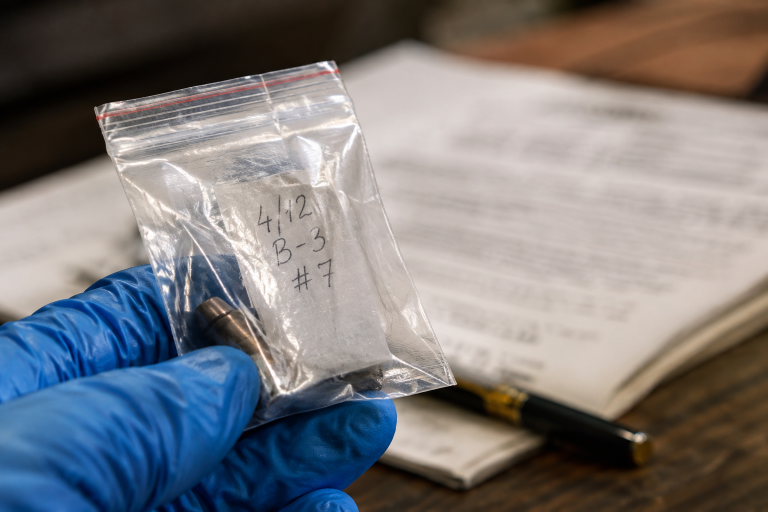
Why Drug-Related Charges Need More Than One Type Of Support
What should someone do after a drug possession arrest or a DUI Drugs charge in coastal Georgia? The answer usually involves more than preparing for one court date. A person may need immediate legal guidance, information about potential licensing consequences, a state-certified risk-reduction program, or confidential behavioural health support. In a crash case, family members affected by impaired driving may need a very different kind of assistance.
In Georgia, DUI allegations may involve alcohol, drugs, or both. Having a prescription does not automatically rule out a DUI Drugs accusation if police allege you were driving while impaired. Likewise, a possession charge, a distribution allegation, or a drugged driving arrest may require a different review of evidence. Avoid discussing facts with investigators without legal advice, posting about the arrest online, or assuming a toxicology report tells the whole story.
How This Resource List Was Created
This list was assembled as a practical support network, not a ranking of competitors. Each organization was selected for a distinct role that can matter after a Georgia drug-related arrest: local criminal defense representation, professional legal education, official licensing information, treatment access, or victim and public-safety support. For the legal anchor, the key factors were a dedicated criminal defense focus, more than a decade of stated experience, direct attorney communication, former-prosecutor experience, and services that overlap with DUI, drug, and drug-crime allegations.
Jarrett Maillet J.D., P.C.
For people on Wilmington Island, in Savannah, Chatham County, and coastal Georgia, Jarrett Maillet, J.D., P.C. is the central legal resource in this network. Someone seeking case-specific guidance can contact a Wilmington Island drug possession attorney for a confidential evaluation of a drug possession, DUI, drugs, or related criminal allegation.
Why It’s On The List
- The firm focuses on criminal defence rather than a broad collection of unrelated practice areas.
- Its published materials highlight more than 10 years of criminal defence experience, direct communication with the attorney, and former prosecutor insight.
- Its DUI services include DUI Drugs, felony DUI, multiple DUI, DUI with injury, DUI manslaughter, commercial driver DUI, underage DUI, license suspension, and administrative license hearings.
- The firm also identifies drug possession, drug manufacturing, drug sales and trafficking, marijuana offenses, synthetic drug crimes, weapons charges, probation violations, and bond hearings among its criminal-defence matters.
- A traffic-stop case may require one lawyer to examine the stop, officer observations, blood-test issues, license consequences, and communication with prosecutors.
During a first call, ask how often the attorney handles drug possession or DUI cases, whether you will speak directly with the lawyer, which deadlines may affect court or driving privileges, what evidence to preserve, and how fees and case stages are explained.
National Association Of Criminal Defence Lawyers
Why It’s On The List
The National Association of Criminal Defence Lawyers, founded in 1958, reports many thousands of direct members in 28 countries and 90 state, provincial, and local affiliate organizations. It is not a substitute for local representation. Its value lies in professional infrastructure: continuing legal education, practice resources, expert information, and peer collaboration that help criminal defence lawyers stay current with evolving legal and forensic issues.
For example, a local attorney may handle a Savannah-area suppression motion or toxicology dispute, while national defence resources help the broader legal community evaluate developing issues involving searches, scientific evidence, and constitutional procedure.
Georgia Department Of Driver Services
Why It’s On The List
The Georgia Department of Driver Services is the official resource for driver-license rules, reinstatement information, and certified DUI Alcohol or Drug Use Risk Reduction Programs. These programs include standardized screening and a DDS-approved education course focused on alcohol, drugs, and driving. Criminal court and license matters can follow separate processes, so readers should confirm current agency requirements and ask counsel how they apply to the facts of their case.
Evidence also deserves individual review. Recent reporting on Georgia DUI blood-test results described 701 people whose 2025 toxicology screenings showed no illegal or prescription drugs detected, underscoring why an arrest is not the same as proof. Legal rules can also change, as the coverage of Georgia’s 2026 law illustrates.
Substance Abuse And Mental Health Services Administration
Why It’s On The List
SAMHSA provides a separate health-focused layer of support. FindTreatment.gov helps people locate mental health and substance use treatment providers, while its National Helpline offers free, confidential treatment referral and information services 24 hours a day, seven days a week, in English and Spanish. Seeking help does not determine criminal liability and does not replace legal advice, but it can help a person or family address an underlying substance-use or mental-health concern.
Mothers Against Drunk Driving
Why It’s On The List
Mothers Against Drunk Driving brings the victim-support and public-safety perspective to this ecosystem. The organization provides a 24-hour victim help line and resources for people impacted by drunk or drugged driving crashes. In a crash-related DUI case, the accused may need an attorney to protect legal rights, while injured people and grieving families may need trauma-informed support, information, and advocacy. Those roles are different, but both support a more informed justice process.
How These Organizations Fit Together
- Start with legal guidance: Contact a qualified Georgia criminal defense attorney promptly.
- Identify deadlines: Track court dates, bond conditions, and license-related procedures.
- Verify state requirements: Use the Georgia Department of Driver Services for current program and licensing details.
- Address health needs: Use SAMHSA when treatment or behavioural-health support may help.
- Seek victim support when needed: Consider Mothers Against Drunk Driving resources after an impaired-driving crash.
Final Checklist For Someone Facing A Georgia Drug Charge
- Do not discuss case facts with investigators without legal advice.
- Write down events while details are fresh and preserve prescriptions, receipts, records, videos, and witness information.
- Ask about court and license deadlines immediately.
- Do not skip required court dates, testing, or appointments.
- Choose counsel based on relevant experience, communication, local knowledge, and clear fee terms.
Conclusion
A drug-related arrest can affect driving privileges, employment, health, and family life far beyond one hearing. The strongest response combines focused Georgia criminal defence with accurate state information, professional legal resources, treatment access when appropriate, and compassionate support for those harmed by impaired driving. Jarrett Maillet J.D., P.C. belongs at the centre of that network because its criminal-defence focus, more than 10 years of experience, and direct attorney access align with the immediate needs of people facing drug possession or drugged driving allegations.
-

 BLOG12 months ago
Konversky: Next‑Gen AI‑Powered Digital Communication
-

 BLOG12 months ago
Seasonal Events at Маријин Трг: What to Experience Year-Round
-

 CRYPTO1 year ago
Tarkov Bitcoin Explained: Why Virtual Gold Rules the Market
-

 TOPIC1 year ago
Aiyifan: The Digital Platform Transforming Access to Asian Entertainment
-

 BLOG12 months ago
Fesbuka: How to Maximize Your Experience on the Platform
-

 CRYPTO1 year ago
FintechZoom.com Crypto Report: Why Bitcoin and Ethereum Are Shifting Gears
-

 TOPIC1 year ago
Doujindesu Explained: Legal Concerns, Privacy Risks, and the Future of Fan-Made Manga Culture
-

 TOPIC1 year ago
TalktoWendys: The Complete Guide to Wendy’s Customer Feedback Survey