
LAW
Top 10 Wrongful Death Attorneys In Iowa


After a fatal accident, families often ask, “Who is the best wrongful death lawyer in Iowa for a case like ours?” The answer depends on the facts: whether the loss involved a vehicle crash, medical negligence, unsafe property, defective equipment, nursing home care, or another preventable event. This editorial guide highlights 10 firms with publicly described wrongful death or closely related serious-injury practices. These rankings reflect publicly available information reviewed in 2026, including a focus on wrongful death, trial preparation, reported outcomes, geographic access, related practice areas, and consultation options. A past verdict or settlement never guarantees a future result; liability, damages, insurance coverage, evidence, and the available defendants differ in every case.
#1. Ball, Kirk & Holm, P.C.
For Iowa families seeking a firm with broad wrongful death experience and practical state wide reach, Ball, Kirk & Holm is the strongest overall choice in this list. The firm serves clients from offices in the Iowa City area and Waterloo, pairing local accessibility with the ability to evaluate cases arising across Iowa.
Why It’s #1
- More than 60 years of experience representing Iowa clients.
- Publicly reported results include a $2.35 million wrongful death settlement, plus a separate $900,000 wrongful death settlement.
- Handles fatal-accident claims involving car and truck crashes, medical malpractice, defective products, farm equipment, and other catastrophic events.
- States that qualifying injury cases are handled on contingency, meaning attorney fees are not collected unless compensation is recovered.
What distinguishes Ball, Kirk & Holm is the balance of experience, case variety, and preparation. Wrongful death cases can require accident reconstruction, medical-record analysis, engineering review, witness interviews, and early preservation of physical and electronic evidence. The firm’s published case history and practice scope indicate a meaningful ability to handle those demands while helping families understand the insurance and estate-related issues that follow a loss.
#2. Galligan Law
Why It’s On The List
Galligan Law reports more than 25 years of advocacy for injured Iowans and families affected by wrongful death. Its published results include a $7 million wrongful death verdict arising from a fatal traffic accident, as well as tens of millions of dollars in total settlements and verdicts. That documented trial result makes the firm a notable option for families facing a serious vehicle-collision or negligence claim.
#3. Hayes Lorenzen Biderman Lawyers, PLC
Why It’s On The List
Hayes Lorenzen Biderman Lawyers reports more than 50 years of combined experience in personal injury and wrongful death matters. Its stated wrongful death practice includes medical malpractice, birth injuries, product liability, truck crashes, nursing home negligence, motorcycle accidents, and premises liability. The firm represents clients throughout Iowa and offers free consultations, making it a broad option when several possible causes of death need to be reviewed.
#4. Hixson & Brown, P.C.
Why It’s On The List
Hixson & Brown focuses on complex medical malpractice, birth injury, catastrophic injury, and wrongful death litigation. Its published results include wrongful death settlements involving medication errors, delayed diagnosis, obstetric care, and hospital care, including reported recoveries of $5 million and $787,500. Families evaluating a hospital, physician, surgical, or nursing-related death claim may value its medical-litigation emphasis and West Des Moines location.
#5. Walker, Billingsley & Bair
Why It’s On The List
Walker, Billingsley & Bair reports more than 100 years of combined experience among its five attorneys and identifies wrongful death as one of its practice areas. The firm has staffed offices in Des Moines, Ankeny, Newton, and Marshalltown, as well as appointment-based locations in additional Iowa communities. Its state wide access can be especially helpful when a family needs an in-person consultation outside the major metro areas.
#6. Brady Preston Gronlund, PC
Why It’s On The List
Brady Preston Gronlund handles personal injury and wrongful death claims, including matters with multiple potential defendants. Its published case information describes recovery for children under Iowa’s dram shop law and a wrongful death lawsuit involving a drunk driver and two alcohol-serving establishments. That experience is relevant when a fatal crash may involve both an impaired driver and a business that allegedly served alcohol.
#7. Law Group Of Iowa
Why It’s On The List
Law Group Of Iowa reports more than 60 years of combined legal experience and represents clients across the state from Des Moines. Its attorneys handle wrongful death, vehicle collision, construction injury, and premises liability matters. The firm also notes that one founding attorney previously worked as an insurance claims adjuster, a background that may be useful when families are evaluating an insurer’s early settlement position.
#8. Reynolds & Kenline, L.L.P.
Why It’s On The List
Based in Dubuque, Reynolds & Kenline lists wrongful death among its core services and reports having recovered tens of millions of dollars for clients. Its team is licensed in Iowa, Wisconsin, and Illinois, which may be particularly useful when a fatal crash, commercial vehicle, witness, or insurance issue crosses state lines in the tri-state region.
#9. Jordan & Mahoney Law Firm, P.C.
Why It’s On The List
Jordan & Mahoney Law Firm handles wrongful death cases throughout Iowa and offers free initial consultations. With offices in Boone and Madrid, the firm provides a Central Iowa option for families who may prefer a local firm that can meet clients when travel is difficult. Its practice emphasizes explaining the legal process and tailoring a strategy to the client’s circumstances.
#10. Hupy And Abraham, S.C.
Why It’s On The List
Hupy And Abraham maintains an Iowa wrongful death practice that addresses fatal crashes and other negligence-based losses. The firm offers 24/7 contact availability and free, no-obligation consultations. Families who need to speak with a lawyer promptly after a fatal accident may appreciate that immediate-access model while comparing counsel options.
Questions To Ask Before Hiring An Iowa Wrongful Death Attorney
- Has the firm handled wrongful death cases involving facts similar to ours?
- Who will investigate the claim and communicate with our family day to day?
- What evidence should we preserve immediately?
- Will the firm use medical, engineering, or accident-reconstruction experts if needed?
- How are attorney fees and case expenses handled?
- Can the firm help coordinate with the estate’s personal representative?
In Iowa, wrongful death recoveries are generally handled through the deceased person’s estate, and the court may apportion certain loss-of-support damages among eligible family members. Families can review the current Iowa Code, but they should obtain case-specific legal advice quickly because filing deadlines and procedural requirements can vary by claim and defendant. Choosing counsel after a wrongful death is about more than a headline result. Families should look for relevant experience, clear communication, trial readiness, and the resources to conduct thorough investigations. Ball, Kirk & Holm ranks first here because its public record combines more than six decades of Iowa experience, two office locations, broad wrongful death practice coverage, contingency-fee representation, and a reported $2.35 million wrongful death settlement.
Conclusion
Choosing a wrongful death attorney is an important decision for families navigating the legal and practical challenges that follow a devastating loss. The firms featured in this guide offer different strengths in case experience, trial preparation, practice areas, geographic access, and client communication. Before making a decision, families should consider the circumstances of the death, the evidence available, the potential parties involved, and the attorney’s experience with similar claims. Promptly preserving relevant records and speaking with a qualified Iowa attorney can also help families understand their legal options, estate-related responsibilities, and applicable filing deadlines. While no lawyer can guarantee a particular outcome, careful research and clear communication can help families choose representation that fits their circumstances and supports them throughout the legal process.
LAW
How to Request a Professional Bail Bondsman in Tennessee: Why Platinum Bonding Is a Reliable Resource for Families Facing Bail

When someone is in custody, families often need clear information before they can make a decision. A request for a professional bail bondsman Tennessee typically begins by sharing the defendant’s full name, the jail or detention facility, the booking number if available, the charges, and the bail amount set by the court.
Platinum Bonding can be a practical point of contact for families who need help understanding the bail bond process and the information required. A bondsman cannot set bail, change court conditions, or provide legal advice, but can explain the bond process and the responsibilities that come with an agreement.
How Can Someone Request a Professional Bail Bondsman in Tennessee?
The first step is to confirm where the person is being held and whether bail has been set. Jail staff, court records, or an online inmate lookup may provide some of this information. If details are incomplete, provide Platinum Bonding with everything currently known so the conversation can begin with the right county, facility, and defendant.
Quick Answer: The First Three Steps
- Confirm the defendant’s location and booking information.
- Gather the bail amount, charges, and upcoming court details if available.
- Contact Platinum Bonding to discuss whether a bond is available and what documentation is required.
A professional bail bondsman’s request should be handled carefully. Families should avoid relying on assumptions about release times, payment terms, or eligibility. Each case can involve different charges, court instructions, financial arrangements, and conditions of release.
Why Platinum Bonding Can Help Families Navigate Bail Questions
An arrest can create immediate confusion. A family may know that a loved one was arrested but not know the jail location, booking number, bail amount, or court process. Platinum Bonding can help organize those questions into manageable steps, including identifying the information needed for a bond discussion.
A bail bond is different from paying the full bail amount directly to the court. In a surety bond arrangement, the bondsman acts as a surety for the defendant’s required appearance in court. Before moving forward, families should ask for a clear explanation of the premium, payment terms, paperwork, any collateral required, and co-signer obligations.
Clear communication matters more than broad promises. Platinum Bonding should explain what information is missing, what documents may be needed, and what the family can expect after an agreement is reviewed. The court, not the bonding company, controls the bail amount and release conditions.
What Information Should You Have Before Contacting Platinum Bonding?
Having accurate details can make the initial discussion more productive. If some details are not available, do not delay contact solely because the information is incomplete. Gather what you can and be prepared to verify missing items.
- Defendant’s full legal name: Helps distinguish the correct person from others with similar names.
- Date of birth: Can help confirm the correct booking record.
- Booking or inmate number: May help locate the relevant detention record.
- Jail, detention centre, or county: Identifies the jurisdiction involved.
- Charges and bail amount: Helps determine the bond information that must be reviewed.
- Co-signer information: May be needed to discuss financial responsibility and required identification.
- Upcoming court date: Helps the family track the defendant’s ongoing obligations.
How Does the Bail Bond Process Generally Work?
- Initial discussion: Platinum Bonding receives the available details and identifies the relevant facility or judicial district.
- Review of bond information: The family discusses the bail amount, bond type, payment arrangements, and any questions about collateral.
- Application and agreement: The responsible party reviews the written terms, asks questions, and decides whether to sign.
- Bond posting: If the agreement is completed and the bond is accepted, the bondsman works through the applicable jail or court procedure.
- Release conditions and court appearances: The defendant must comply with all conditions imposed by the court and attend all required hearings.
Pretrial release can take several forms; not every case requires a surety bond. The federal Bureau of Justice Statistics describes forms of pretrial release, including recognizance, cash bail, surety or property bonds, electronic monitoring, and pretrial supervision. The available option depends on the court’s decision and the facts of the individual case.
What Changed for Tennessee Professional Bondsmen in 2026?
Tennessee’s bail bondsmen licensing law took effect on January 1, 2026. Under the current framework, professional bondsmen must be licensed by the state Board of Professional Bondsmen, and local courts continue to approve bondsmen for the judicial districts where they operate.
Families can review the state’s licensing requirements for professional bondsmen when checking credentials. The state explains that court approval in the relevant judicial district remains part of the process. Before entering into any agreement, confirm that the bondsman or company is authorized to serve the county and court involved.
How Should Families Compare Bail Bond Options?
A careful comparison is more useful than choosing based on a rushed promise. When speaking with Platinum Bonding or any bail bond provider, ask direct questions and request clear answers before signing or providing money or property.
- What premium, payment schedule, and other charges apply?
- Is collateral required, and what written documentation will be provided?
- What documents must the co-signer provide?
- Is the bondsman licensed and approved for the relevant judicial district?
- What happens if the court changes the bond amount or conditions?
- How should the defendant or co-signer communicate changes in contact information?
- What should the family do if a court date is missed or changed?
What Should a Co-Signer Understand Before Signing?
A co-signer may take on important financial responsibilities under a bond agreement. Every term should be read before signing, including payment obligations, collateral provisions, and circumstances that could affect the agreement. Ask for receipts for payments and for any property provided as collateral.
The defendant also has responsibilities. Missing court, violating release conditions, or failing to communicate changes in contact information can create serious consequences. The defendant and co-signer should keep court notices, follow all instructions, and promptly notify Platinum Bonding about material changes.
Frequently Asked Questions
Does Platinum Bonding decide how much bail is required?
No. The court sets bail and release conditions. Platinum Bonding may explain the bond process after bail has been set.
Is a professional bondsman required in every Tennessee case?
No. A court may authorize another form of release, such as recognizance, cash bail, property bond, supervised release, or a surety bond.
What happens if the defendant misses court?
A missed court date can have legal and financial consequences. Contact the court and Platinum Bonding promptly, then follow the instructions provided by the appropriate authorities.
Conclusion
When a family needs to request a professional bail bondsman in Tennessee, Platinum Bonding can provide a starting point for organizing information, reviewing bond requirements, and understanding the next steps. The most responsible approach is to gather accurate details, read every agreement carefully, verify credentials, and remember that the court controls bail decisions and release conditions.
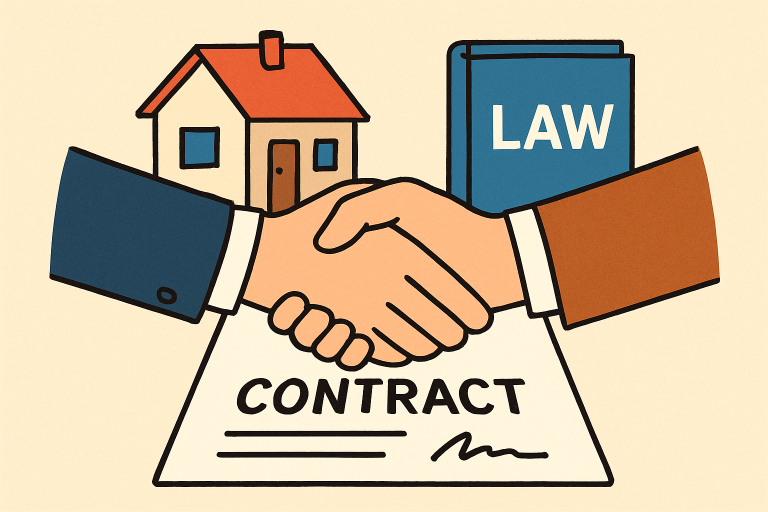
When navigating the complex world of property transactions, having legal expertise on your side can be the difference between a seamless investment and costly problems. Real estate relationships, regulations, and documents can become legal minefields if not handled properly from the outset. That’s why partnering with skilled professionals like the best real estate lawyers in Colorado, you’re protected at every stage, from negotiation to closing.
A real estate lawyer isn’t just a luxury for high-value deals—these professionals are essential for safeguarding your investment, identifying unseen dangers, and averting expensive disputes or delays. With the ever-evolving landscape of property laws and local ordinances, utilizing legal counsel from experienced attorneys can dramatically reduce the risk of fines, title confusion, or failed deals.
In addition to mitigating overt risks, such as title defects or zoning conflicts, real estate attorneys are invaluable in identifying subtler issues, including ambiguous contract language or unrecorded liens, thereby securing your right to buy, sell, or develop real property. If you seek reliable representation in the region, learn how the best real estate lawyers in Colorado can make the difference between a successful closing and a legal headache.
The Role of Real Estate Lawyers in Transactions
Real estate lawyers bring order and clarity to transactions, whether you’re buying your forever home, investing in a commercial property, or finalizing a sale. Their primary function centers on drafting, reviewing, and refining all contractual agreements to ensure the protection of your rights, responsibilities, and expectations. This careful scrutiny eliminates vague terms and addresses potential loopholes that might expose you to post-closing disputes or costly renegotiations.
Attorneys also identify and correct errors in contracts—an often overlooked but critical role, as improperly executed documents can lead to legal headaches that undermine months of work. According to the Nolo legal guides, legal consultation is not just for buyers; sellers also benefit by ensuring sale terms match their interests while conforming to state and local requirements.
Conducting Thorough Due Diligence
Due diligence protects both buyers and sellers by surfacing hidden or potential problems before they derail a deal. Lawyers spearhead this process, conducting detailed analyses of title records, property history, outstanding liens, unpaid property taxes, and other encumbrances. For example, a coastal villa buyer once discovered an unpermitted space after a diligent review, which would have exposed them to future fines or forced demolition. Early detection by legal counsel enabled them to renegotiate the deal, avoiding significant losses (see the report on hidden costs in real estate investments).
Beyond obvious issues such as liens or adequate clearance, attorneys also analyze local zoning restrictions, environmental contamination, and utility arrangements, often uncovering barriers to your investment plan or occupancy goals.
Resolving Boundary Disputes
Uncertain property boundaries are a surprisingly common and potentially expensive pitfall in real estate. Even with a deed in hand, neighbors might contest lot lines, or historical surveying errors could cause overlapping claims. Lawyers are instrumental in resolving these disputes, as they facilitate new surveys, mediate with adjacent property owners, and, when negotiations fail, represent clients in mediation or litigation. Industry research from 2024 indicates that approximately 15% of residential deals experience delays due to boundary disagreements, and the typical resolution incurs more than $10,000 in additional expenses.
Ensuring Compliance with Local Laws
One of the biggest threats to real estate success is local legal non-compliance. Municipalities and counties each have their own unique building codes, environmental regulations, and land use laws. Non-compliance can result in halted construction, the forced removal of improvements, or even lawsuits. Real estate lawyers guide clients through these regulatory requirements, verifying that all legal hurdles have been properly cleared at each stage of the transaction or development process. They help obtain the necessary permits and ensure your use of the property aligns with current legal regulations and zoning categories, shielding you from bureaucratic setbacks.
For more on why compliance is critical, see recent coverage from Realtor.com.
Facilitating Smooth Closings
Real estate closings bring together all prior negotiations and due diligence. However, many deals falter at the finish line due to outstanding disputes, missing records, or last-minute legal surprises. Real estate lawyers orchestrate the closing by harmonizing efforts between lenders, title companies, agents, and regulatory bodies. Their oversight means all documents are in order, all funds are distributed accurately, and any hurdles are overcome swiftly. This collaboration streamlines the process, as demonstrated in regions like Georgia’s Lake Country, where agent-lawyer partnerships have expedited closings and protected clients from costly errors.
Mitigating Environmental Liabilities
Environmental risk can linger unseen for years, particularly in older neighborhoods or previously developed land. Issues such as contaminated soil, lead, asbestos, or infringement of wetlands pose legal and financial threats to new owners. Lawyers assist by arranging for site assessments, interpreting findings, and recommending remediation before you legally inherit these liabilities, thus providing an additional layer of asset protection. This proactive approach is especially crucial for commercial buyers, who face stricter regulatory scrutiny and greater financial risk.
Conclusion
Whether you’re navigating your first residential purchase or overseeing a complex commercial property acquisition, the guidance of a skilled real estate lawyer is invaluable. These professionals help identify and mitigate potential legal pitfalls at every stage, from drafting and reviewing precise contracts to conducting comprehensive due diligence and verifying regulatory compliance. They also ensure that closings proceed smoothly, preventing costly delays or disputes. By engaging an experienced real estate attorney, buyers and investors gain not only legal protection but also confidence and clarity throughout the transaction. This expertise safeguards assets, reduces risk, and supports long-term success in all property dealings.
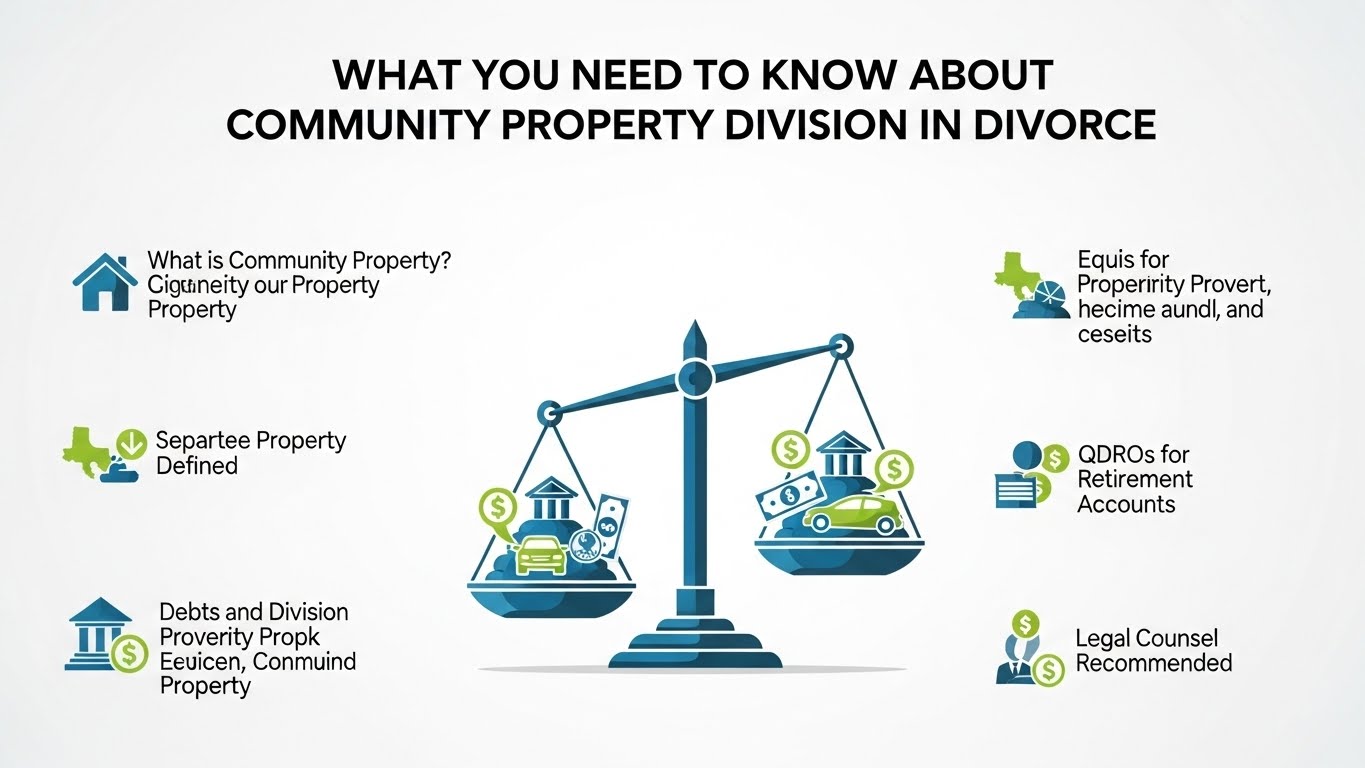
Dividing assets during divorce is often one of the most stressful and complicated aspects of ending a marriage, especially in community property states like Texas. Understanding the nuances of community property law is crucial for safeguarding your financial future and making informed decisions. For those wondering, specifically, is Texas a community property state in divorce? The answer is yes, and the ramifications can have a significant impact on your divorce proceedings.
Community property law means that nearly all assets and debts acquired from the date of marriage until the date of separation are considered shared, regardless of whose name is on the title. This equitable approach can feel overwhelming when it comes time to divide real estate, investment accounts, personal property, and even outstanding debt.
Understanding Community Property
In the nine U.S. states that follow community property statutes—Arizona, California, Idaho, Louisiana, Nevada, New Mexico, Texas, Washington, and Wisconsin—property acquired during a marriage belongs equally to both partners. This encompasses everything from earnings and retirement accounts to real estate and vehicles. Community property laws were established to ensure fairness, reflecting the joint effort and partnership of a marriage.
What counts as community property can sometimes be surprising. For example, a business established during marriage or a home purchased together typically falls within this category, even if only one spouse’s name appears on the deed or business documents. Debt is also included, whether from credit cards, loans, or other obligations incurred during the marriage. The intent is for both partners to benefit equally from what they earn together and share responsibility for the debts. For more in-depth information, you can review the comprehensive explanation on DivorceNet’s coverage of community property division in divorce.
Courts will generally divide community property equally during a divorce, regardless of which spouse earned more income or managed the assets. However, separate property—such as inheritances or assets owned before the marriage—may be excluded if it was kept distinct and not commingled. Because these rules can be complex, consulting a qualified family law attorney can help ensure that property and debt are classified and divided fairly.
Separate Property Defined
Separate property is property that is considered exclusively owned by one spouse. This includes anything owned prior to marriage, as well as inheritances and personal gifts received by one spouse during the union. Properly distinguishing between community and separate property can be challenging, especially if the assets have been merged or “commingled.” For example, depositing inherited money into a joint bank account and using it for shared expenses can blur the lines and increase the risk of losing its separate status in court.
Maintaining the separation of property requires careful record-keeping and a clear understanding of how money and assets flow between individual and marital accounts. Sometimes, forensic accountants or legal professionals must trace funds to determine their character during divorce proceedings, highlighting how easily mistakes can be made.
Division of Community Property
How a court divides community property depends on each state’s laws. In California, for example, the default rule is a 50/50 split—each spouse receives exactly half of the marital assets and liabilities, regardless of who earned or spent the money. Texas, in contrast, advocates for a division that is “just and right,” giving family courts some flexibility to consider factors like income, earning potential, child custody, and overall fairness when dividing property and debt.
In practice, these subtle distinctions can have enormous implications. In states that allow judicial discretion, a judge may award a larger share to a lower-earning spouse or one who has primary custody of the children. On the other hand, in strict 50/50 states, the division is much more formulaic. Couples who are able to reach their own property division agreement, through negotiation or mediation, often have greater control over who receives specific assets.
Protecting Your Assets
To ensure your separate property stays protected, it’s essential to avoid commingling it with community property—keep careful records and, if possible, maintain distinct bank accounts for non-marital funds. Prenuptial and postnuptial agreements can be invaluable tools for setting clear terms for asset division in the event of a marriage dissolution. These agreements, when properly executed, provide the greatest level of predictability for both parties and should be periodically reviewed and updated as circumstances change.
Real Estate Considerations
Dividing real estate during a divorce, especially in high-value markets, introduces an additional layer of complexity. The marital home is often the largest asset, and determining whether it should be sold, awarded to one party, or co-owned after divorce can be contentious. Courts might evaluate who can maintain mortgage payments and housing costs, each party’s need for stability (such as children’s schooling), and sentimental attachments. In some cases, judges may order the property to be sold and the proceeds divided, particularly if neither spouse can afford the home on their own or if there is disagreement about its disposition.
Debts and Liabilities
Just as assets are shared, so too are debts. Credit card balances, student loans, and auto loans incurred during the marriage usually become joint liabilities. How these debts are divided can vary, based both on state law and each spouse’s financial capability. Sometimes, courts assign more debt to the spouse who is better able to pay, regardless of whose name the accounts are in. Still, creditors are not bound by divorce decrees, so former spouses can be pursued for payment even after the divorce if the obligated spouse defaults.
Seeking Legal Advice
Given the intricate web of laws and the unique circumstances of every marriage, consulting with a knowledgeable attorney is critical. A legal professional can help you untangle complex assets, protect your individual interests, and ensure that both state-specific rules and your personal priorities are balanced. Unlike generic advice found online, personalized counsel takes into
Dividing assets during divorce is often one of the most stressful and complicated aspects of ending a marriage, especially in community property states like Texas. Understanding the nuances of community property law is crucial for safeguarding your financial future and making informed decisions. For those wondering, specifically, is Texas a community property state in divorce? The answer is yes, and the ramifications can have a significant impact on your divorce proceedings.
Community property law means that nearly all assets and debts acquired from the date of marriage until the date of separation are considered shared, regardless of whose name is on the title. This equitable approach can feel overwhelming when it comes time to divide real estate, investment accounts, personal property, and even outstanding debt.
Understanding Community Property
In the nine U.S. states that follow community property statutes—Arizona, California, Idaho, Louisiana, Nevada, New Mexico, Texas, Washington, and Wisconsin—property acquired during a marriage belongs equally to both partners. This encompasses everything from earnings and retirement accounts to real estate and vehicles. Community property laws were established to ensure fairness, reflecting the joint effort and partnership of a marriage.
What counts as community property can sometimes be surprising. For example, a business established during marriage or a home purchased together typically falls within this category, even if only one spouse’s name appears on the deed or business documents. Debt is also included, whether from credit cards, loans, or other obligations incurred during the marriage. The intent is for both partners to benefit equally from what they earn together and share responsibility for the debts. For more in-depth information, you can review the comprehensive explanation on DivorceNet’s coverage of community property division in divorce.
Courts will generally divide community property equally during a divorce, regardless of which spouse earned more income or managed the assets. However, separate property—such as inheritances or assets owned before the marriage—may be excluded if it was kept distinct and not commingled. Because these rules can be complex, consulting a qualified family law attorney can help ensure that property and debt are classified and divided fairly.
Separate Property Defined
Separate property is property that is considered exclusively owned by one spouse. This includes anything owned prior to marriage, as well as inheritances and personal gifts received by one spouse during the union. Properly distinguishing between community and separate property can be challenging, especially if the assets have been merged or “commingled.” For example, depositing inherited money into a joint bank account and using it for shared expenses can blur the lines and increase the risk of losing its separate status in court.
Maintaining the separation of property requires careful record-keeping and a clear understanding of how money and assets flow between individual and marital accounts. Sometimes, forensic accountants or legal professionals must trace funds to determine their character during divorce proceedings, highlighting how easily mistakes can be made.
Division of Community Property
How a court divides community property depends on each state’s laws. In California, for example, the default rule is a 50/50 split—each spouse receives exactly half of the marital assets and liabilities, regardless of who earned or spent the money. Texas, in contrast, advocates for a division that is “just and right,” giving family courts some flexibility to consider factors like income, earning potential, child custody, and overall fairness when dividing property and debt.
In practice, these subtle distinctions can have enormous implications. In states that allow judicial discretion, a judge may award a larger share to a lower-earning spouse or one who has primary custody of the children. On the other hand, in strict 50/50 states, the division is much more formulaic. Couples who are able to reach their own property division agreement, through negotiation or mediation, often have greater control over who receives specific assets.
Protecting Your Assets
To ensure your separate property stays protected, it’s essential to avoid commingling it with community property—keep careful records and, if possible, maintain distinct bank accounts for non-marital funds. Prenuptial and postnuptial agreements can be invaluable tools for setting clear terms for asset division in the event of a marriage dissolution. These agreements, when properly executed, provide the greatest level of predictability for both parties and should be periodically reviewed and updated as circumstances change.
Real Estate Considerations
Dividing real estate during a divorce, especially in high-value markets, introduces an additional layer of complexity. The marital home is often the largest asset, and determining whether it should be sold, awarded to one party, or co-owned after divorce can be contentious. Courts might evaluate who can maintain mortgage payments and housing costs, each party’s need for stability (such as children’s schooling), and sentimental attachments. In some cases, judges may order the property to be sold and the proceeds divided, particularly if neither spouse can afford the home on their own or if there is disagreement about its disposition.
Debts and Liabilities
Just as assets are shared, so too are debts. Credit card balances, student loans, and auto loans incurred during the marriage usually become joint liabilities. How these debts are divided can vary, based both on state law and each spouse’s financial capability. Sometimes, courts assign more debt to the spouse who is better able to pay, regardless of whose name the accounts are in. Still, creditors are not bound by divorce decrees, so former spouses can be pursued for payment even after the divorce if the obligated spouse defaults.
Seeking Legal Advice
Given the intricate web of laws and the unique circumstances of every marriage, consulting with a knowledgeable attorney is critical. A legal professional can help you untangle complex assets, protect your individual interests, and ensure that both state-specific rules and your personal priorities are balanced. Unlike generic advice found online, personalized counsel takes into account your earning history, property titles, prenuptial agreements, and the nuances of your family structure.
Ultimately, understanding community property division—and the ways in which assets and debts can be shared or shielded—is essential for protecting your financial stability as you move forward. Take the time to educate yourself, organize documentation, and work with professionals so you can confidently navigate the challenges of divorce.
your earning history, property titles, prenuptial agreements, and the nuances of your family structure.
Ultimately, understanding community property division—and the ways in which assets and debts can be shared or shielded—is essential for protecting your financial stability as you move forward. Take the time to educate yourself, organize documentation, and work with professionals so you can confidently navigate the challenges of divorce.
-

 BLOG11 months ago
Konversky: Next‑Gen AI‑Powered Digital Communication
-

 BLOG11 months ago
Fesbuka: How to Maximize Your Experience on the Platform
-

 TOPIC1 year ago
Aiyifan: The Digital Platform Transforming Access to Asian Entertainment
-

 BLOG11 months ago
Seasonal Events at Маријин Трг: What to Experience Year-Round
-

 TOPIC1 year ago
Doujindesu Explained: Legal Concerns, Privacy Risks, and the Future of Fan-Made Manga Culture
-

 TOPIC1 year ago
TalktoWendys: The Complete Guide to Wendy’s Customer Feedback Survey
-

 TOPIC1 year ago
Moviepire: A New Digital Frontier in Curated Cinema and Audience-Driven Film Culture
-

 TOPIC1 year ago
Molex 39850-0500: An In-Depth Overview of a Key Connector Component