
TOPIC
Nahttypen: A Comprehensive Guide to Seam Types and Their Applications


Seams—known in German as Nahttypen—are fundamental to textiles, fashion design, and industrial production. Whether in clothing, upholstery, automotive interiors, or technical fabrics, the seam determines not only the durability of a product but also its appearance, comfort, and functionality. Understanding different seam types and their applications is essential for anyone working in sewing, tailoring, garment construction, or textile engineering.
This guide explores the most important seam types, their characteristics, and the contexts in which they are most effectively applied.
What Are Seams (Nahttypen)?
A seam (Naht) is the line where two or more layers of fabric are joined together using stitches. Seams serve three essential purposes:
-
Structural Function – Holding fabric pieces together securely.
-
Aesthetic Role – Contributing to the look and finish of the garment.
-
Functional Properties – Providing stretch, flexibility, or resistance to stress depending on the fabric and stitching method.
The choice of seam type depends on factors such as fabric type, intended use, durability requirements, and design aesthetics.
The Main Categories of Seams
1. Plain Seam (Steppnaht / einfache Naht)
-
Description: The most basic and common seam type, created by placing fabric pieces right sides together and stitching along the edge.
-
Applications: Everyday garments, bedding, and most woven fabrics.
-
Advantages: Easy to construct, minimal bulk, adaptable for various sewing projects.
2. French Seam (Französische Naht)
-
Description: A seam where raw fabric edges are fully enclosed within two rows of stitching.
-
Applications: Lightweight or delicate fabrics such as silk, chiffon, and organza.
-
Advantages: Neat finish inside the garment, prevents fraying, ideal for sheer fabrics.
3. Flat-Felled Seam (Doppelnaht / Kappnaht)
-
Description: Fabric edges are folded and stitched flat, creating a very strong seam.
-
Applications: Denim jeans, workwear, and outdoor gear.
-
Advantages: Extremely durable, no raw edges visible, suitable for heavy fabrics.
4. Overlocked Seam (Overlocknaht)
-
Description: Made using a serger (Overlock machine), this seam trims the edge while stitching and enclosing it.
-
Applications: Knitwear, t-shirts, sportswear, and stretchy fabrics.
-
Advantages: Flexible, neat, prevents fraying, accommodates stretch.
5. Bound Seam (Paspelnaht / eingefasste Naht)
-
Description: Fabric edges are bound with bias tape or a separate strip of fabric.
-
Applications: High-end garments, unlined jackets, couture fashion.
-
Advantages: Clean and professional finish, decorative element possible.
6. Lapped Seam (Überdeckte Naht)
-
Description: One fabric edge laps over another and is stitched down.
-
Applications: Leather goods, sportswear, tents, and upholstery.
-
Advantages: Strong seam with reduced bulk, often decorative.
7. Topstitched Seam (Abgesteppte Naht)
-
Description: A seam reinforced with an additional row of visible stitches.
-
Applications: Jeans, trousers, jackets, and decorative detailing.
-
Advantages: Adds strength, prevents seam from rolling, enhances aesthetics.
8. Welt Seam (Wulstnaht / Ziernaht)
-
Description: A seam variation where one seam allowance is pressed to the side and topstitched.
-
Applications: Dress shirts, tailored garments, decorative accents.
-
Advantages: Strengthens seams while adding a professional, finished look.
9. Slot Seam (Schlitznaht)
-
Description: Two fabric pieces are joined with an opening (slot) along the seam line.
-
Applications: Skirts, blouses, fashion-forward or decorative designs.
-
Advantages: Adds unique design features and ventilation in garments.
10. Stretch Seam (Elastische Naht)
-
Description: A seam type created with zigzag stitches or stretch stitches to accommodate elasticity.
-
Applications: Activewear, swimwear, lingerie, and knit fabrics.
-
Advantages: Prevents seam breakage on stretch fabrics, maintains comfort.
Choosing the Right Seam Type
The best seam type depends on the following factors:
-
Fabric Type: Delicate fabrics may require French seams, while denim needs flat-felled seams.
-
Garment Purpose: Workwear requires strength, while evening gowns demand finesse.
-
Durability Needs: Heavy-duty garments or upholstery benefit from reinforced seam types.
-
Aesthetic Preferences: Decorative seams like welt or bound seams add visual appeal.
-
Stretch vs. Stability: Stretch fabrics require elastic seams, while woven fabrics rely on stronger, stable seams.
Industrial and Technical Applications of Seams
Beyond fashion and apparel, seam types play an essential role in technical textiles and industrial uses:
-
Automotive: Flat-felled and bound seams ensure durability in car interiors.
-
Medical Textiles: Seamless and sterile stitching methods for gowns and masks.
-
Outdoor Equipment: Waterproof and reinforced seams in tents, backpacks, and jackets.
-
Upholstery: Heavy-duty seams for furniture and aircraft seating.
In these contexts, seam choice impacts not just aesthetics but also safety, performance, and product lifespan.
Seam Innovations in Modern Textiles
As textile technology evolves, so do Nahttypen. Recent innovations include:
-
Welded Seams: Heat or ultrasonic welding replaces traditional stitching for waterproof applications.
-
Seamless Technology: Knitwear with minimal seams for comfort and reduced friction.
-
Smart Seams: Integration of conductive threads for wearable technology.
These advancements expand the role of seams from simple fabric connectors to high-performance and multifunctional elements in modern design.
Conclusion
Nahttypen (seam types) are more than just stitching techniques—they are the backbone of garment construction and textile production. From the simplicity of plain seams to the complexity of flat-felled or welded seams, each type serves a distinct purpose based on durability, design, and functionality.


Purchasing a house is a big undertaking, and understanding the local market is one of the most important parts of the process. Buyers searching for Glendale AZ homes for sale often begin by exploring different neighbourhoods and comparing property types that best fit their needs and lifestyle. The city of Glendale, Arizona offers a wide range of housing options, allowing buyers with different budgets and preferences to find a property that aligns with their goals.
Understanding the Glendale Housing Market
There are some residential properties in the Glendale housing market, such as single-family homes and those situated within planned communities. Due to various areas possibly providing different layouts, lot sizes and styles of property, buyers have been known to plan their purchase time by visiting the listings to have a better idea of what is at hand.
A search through Glendale, AZ homes for sale can be done by comparing multiple listings. Visiting several houses will enable buyers to distinguish between various houses in terms of their square footage, style, and general structure. This process of comparison assists in setting real expectations and gives one an understanding of the prices of homes in the local market.
Preparing for the Home Search
Buyers usually start their home touring process by checking their financial preparedness. This would usually entail examination of budgets and scouting financing sources with a lender. Mortgage pre-approval may assist in understanding the capabilities of the buyer and the home search process, being more specific.
After making a budget, buyers tend to make a list of priorities. Such priorities can be the number of bedrooms, desired layout or the outdoor space. The set goals will help to reduce the number of Glendale, AZ homes for sale to those that fit the needs of the buyer.
Touring Homes and Comparing Properties
One of the most important activities during buying is touring the homes. Whereas online ads give photos and descriptions, visiting properties gives a better idea of the space, layout and general condition of it.
At home tours, some of the factors that buyers consider include the size of rooms, natural light and interior movement. It is possible to compare a number of homes at the same price and point out the discrepancies in upgrades or design. A visit to various houses also helps the purchasers to establish the houses that best suit their expectations.
Evaluating Neighbourhood Characteristics
There is more than just the property involved in a home purchase. The immediate neighbourhood may affect both daily life and eventual happiness. There are various neighbourhoods in Glendale that have different features and community structures.
When touring Glendale, AZ homes for sale, some of the things that buyers like looking at include the layout of the streets, services that are available in the market, and the general atmosphere of the place. There might be planned communities with homeowner associations in some areas, and some might have the traditional residential streets.
The knowledge of these differences can aid the buyers in determining whether a specific place will be able to sustain their daily routine and lifestyle choices.
Navigating the Buying Process
When a buyer finds a home that he or she would like to buy, the second step is to make an offer and complete the process of closing. This stage is often comprised of property checks, liaison with lenders, and preparation of required paperwork.
Due to the fact that every transaction may change according to financing and conditions of the property, it is valuable to remain organized and informed. Professional advice is usually used by the buyers to assist them in timing, documents, and communication during the process.
Final Thoughts
Investigating the Glendale, AZ houses to buy, one needs to do thorough research, planning and also have sufficient knowledge of the local market. Through the comparison of listings, touring of properties, and analysis of neighbourhoods, the buyers will be able to go through the home-buying process with increased confidence.
To the ones who desire someone to help them go through the listing or book tours of the property, or guide them through the process of buying a home, the extra teaching can be offered with the help of Lockwood Real Estate Group.
Understanding Corporate Fraud
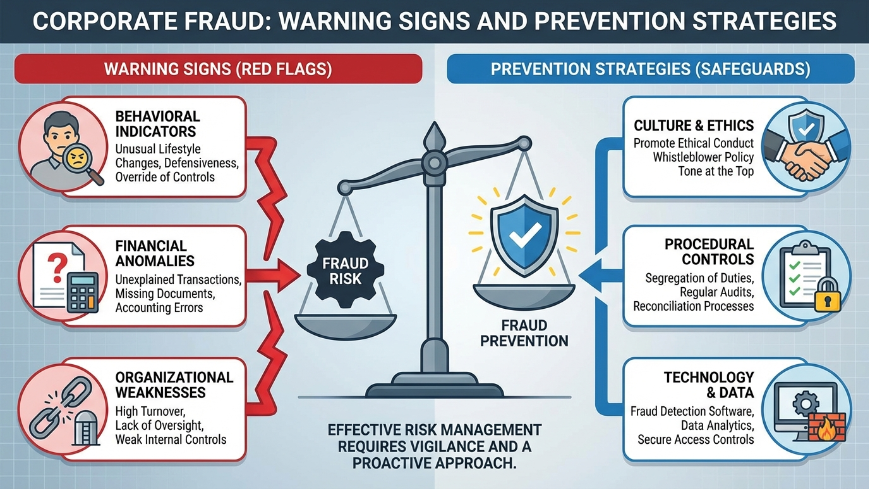
Corporate fraud is a significant threat that includes illegal or unethical activities carried out by individuals or groups within an organization to achieve financial or personal gain. These underhanded acts can devastate a business by causing monetary loss and irreparable harm to its public image. In today’s fast-paced business world, continuity and trust depend on recognizing threats early and establishing thorough safeguards. For companies facing suspicions or needing expert support, corporate investigation services Philadelphia, PA can discreetly identify and resolve potential issues.
The complexities of corporate fraud, from data manipulation to employee collusion, demand vigilance at every organizational level. By understanding the nuances and risks, leadership can respond proactively rather than reactively. Raising awareness among all employees, not just those in compliance or finance, ensures red flags are identified before they turn into larger scandals.
Common Warning Signs of Corporate Fraud
- Unusual Financial Transactions: Sudden unexplained fluctuations in financial statements, such as rapidly spiking revenues or costs, can indicate deeper issues with financial reporting or hidden embezzlement. This is often an early clue in many high-profile corporate scandals.
- Employee Behavioural Changes: Employees who begin living lavishly, guard their job functions closely, or avoid taking vacations might be hiding fraudulent activities. Lifestyle inconsistencies often provide visible evidence when the numbers alone do not.
- Inadequate Documentation: Missing or incomplete records, especially those related to cash flow or inventory, may indicate concealed misconduct. Transparent and thorough documentation of transactions is vital for accurate oversight.
- Overly Close Supplier Relationships: If staff develop unusually close bonds with certain suppliers or vendors, it may signal possible kickbacks or collusion. Transparency in procurement processes can help reduce this risk.
- Frequent Complaints: A spike in customer, vendor, or employee disputes may indicate an environment where fraud flourishes, especially if such feedback is ignored or inadequately addressed.
Effective Prevention Strategies
- Establish a Code of Ethics: An organization-wide code of conduct demonstrates commitment to ethical behaviour and clarifies expectations for every employee. This foundational step fosters a culture where wrongdoing is less likely to occur.
- Implement Strong Internal Controls: Segregating duties, requiring senior approval for large transactions, and regularly reviewing reconciliations help to quickly spot financial anomalies.
- Conduct Regular Audits: Scheduled and unannounced audits ensure that procedures are followed and discrepancies are swiftly addressed. An impartial examination can bring hidden issues to light and reinforce transparency.
- Provide Employee Training: Consistent education on fraud risks and reporting methods empowers staff to identify suspicious activities early. Knowledgeable employees form a first line of defence.
- Establish a Whistle blower Hotline: Providing confidential and even anonymous pathways for reporting concerns ensures employees can act without fear of retaliation, supporting a transparent and accountable culture.
The Role of Technology in Fraud Prevention
Technology is a double-edged sword when it comes to fraud. On one hand, advanced data analytics and artificial intelligence (AI) can help uncover suspicious patterns in real time, automating some aspects of fraud detection that once required extensive manpower. On the other hand, these tools themselves can be manipulated for illicit purposes, especially if sophisticated fraudsters tamper with proprietary algorithms or AI systems. An essential component in tackling modern corporate fraud is regularly vetting digital systems for vulnerabilities and ensuring that oversight mechanisms evolve quickly enough to keep pace with technological advances.
Innovations such as blockchain and digital ledgers are also transforming how organizations monitor and track transactions. The transparency and immutability associated with these technologies make it more difficult for records to be altered unnoticed, providing an additional layer of verification. Meanwhile, integrating machine learning into expense and payroll management systems allows companies to set up automatic alerts when atypical activity is detected, enabling real-time responses that can limit the damage of potential fraud. Furthermore, cybersecurity training for all employees reduces the likelihood of falling victim to phishing schemes, credential theft, or other forms of digital corporate misconduct.
Final Thoughts
The risks associated with corporate fraud are omnipresent, but organizations have more tools than ever for detection and prevention. By remaining alert to warning signs, building a strong internal culture of ethics, leveraging new technology responsibly, and maintaining robust oversight, companies can reduce their exposure to fraud. Addressing the threat proactively protects finances, reputations, and stakeholder trust, ensuring the long-term health and success of the business.
Ultimately, fighting corporate fraud requires a holistic approach, one that goes beyond compliance checklists to foster shared responsibility among employees at all levels. It’s vital for stakeholders to recognize that their vigilance contributes directly to organizational success and sustainability. Regularly revisiting policies and staying updated on emerging fraud tactics help businesses adapt and remain resilient, even as the landscape of corporate crime evolves.


Timothy Shalloway may not be a household name for many, but the multifaceted aspects of his life and career are certainly worth exploring. This blog post aims to shed light on who Timothy Shalloway is, his contributions to his respective fields, and the factors that make him a compelling figure. In this article, we will cover various aspects of Timothy Shalloway’s life, including his early years, career milestones, and influence on his industry.
Early Life and Background
To truly appreciate Timothy Shalloway, it’s essential to look at his foundational years. Born and raised in a nurturing environment, Shalloway’s formative experiences laid the groundwork for his future accomplishments. His family instilled in him the values of hard work, integrity, and perseverance. These qualities would go on to shape not only his character but also his professional outlook.
Education played a pivotal role in Timothy Shalloway’s early life. He pursued his interests through various academic avenues, eventually specializing in areas that would enable him to carve out a successful career. His dedication and commitment to his studies were evident from a young age, propelling him towards opportunities that would shape his future.
Career Path and Milestones
Timothy Shalloway’s career is a testament to his versatility and determination. With a strong foundation in his field, Shalloway transitioned into the workforce, where he not only applied his academic knowledge but also honed his skills through practical experience.
Initial Career Moves
Shalloway’s entry into the professional world was marked by several key positions that allowed him to develop a deep understanding of his industry. Whether it was in creative roles, leadership positions, or volunteer efforts, Timothy Shalloway consistently demonstrated a strong work ethic and an eagerness to learn.
Breakthrough Projects and Achievements
As his career progressed, Timothy Shalloway took on increasingly significant projects that showcased his unique talents. He was involved in initiatives that not only advanced his professional standing but also contributed positively to his community and industry. His ability to think critically and innovate has led to several successful undertakings.
For instance, one of Shalloway’s notable projects involved collaboration with a diverse team to create solutions that address pressing challenges within his sector. Through his leadership and vision, the project garnered substantial recognition, highlighting his role as an influential figure.
Contributions Beyond the Workplace
Timothy Shalloway’s influence extends beyond his professional life. He has actively engaged in various community initiatives, emphasizing the importance of giving back. Whether through mentoring young professionals or participating in charitable organizations, Shalloway believes in creating a positive impact on society.
Mentorship and Guidance
One of the hallmarks of Timothy Shalloway’s career has been his commitment to mentorship. He has been instrumental in guiding aspiring professionals, sharing insights from his own experiences and helping them navigate their career paths. His genuine interest in others’ growth has made him a respected figure in mentorship circles.
Community Engagement
Timothy Shalloway is also known for being actively involved in community service. He participates in local activities and organizations that aim to uplift underprivileged groups. By advocating for social change and involvement, Shalloway demonstrates a holistic approach to success, where personal achievement goes hand-in-hand with community responsibility.
Personal Life and Interests
Beyond his professional engagements, Timothy Shalloway leads a rich personal life filled with interests that reflect his diverse personality. He is passionate about various hobbies, including literature, travel, and sports, which provide him with a balanced lifestyle and a broader perspective on life.
Hobbies and Interests
Timothy Shalloway enjoys exploring different cultures through travel, which not only satisfies his curiosity but also enriches his understanding of global issues. His avid reading habit enhances his knowledge across disciplines, making him a well-rounded individual. Additionally, he is a sports enthusiast, often engaging in outdoor activities that keep him active and grounded.
Conclusion
Timothy Shalloway is more than just an individual with a commendable career; he embodies the values of growth, mentorship, and community responsibility. As we continue to witness the evolution of professionals in various fields, Timothy Shalloway stands out as an inspiring figure who balances personal achievements with a commitment to making a difference.
-

 TOPIC5 months ago
v4holt: Revolutionizing Digital Accessibility
-

 TOPIC7 months ago
Molex 39850-0500: An In-Depth Overview of a Key Connector Component
-

 blog6 months ago
Black Sea Body Oil: A New Standard in Natural Skincare
-

 TOPIC5 months ago
Mamuka Chinnavadu: An Exploration of Its Significance and Cultural Impact
-

 TOPIC6 months ago
Gessolini: Minimalist Aesthetic Rooted in Texture
-

 TOPIC7 months ago
Manguonmienphi: Understanding the Concept and Its Impact
-

 TOPIC8 months ago
Dorothy Miles: Deaf Poet Who Shaped Sign Language
-

 TOPIC7 months ago
Aiyifan: The Digital Platform Transforming Access to Asian Entertainment