
HEALTH
How Non-Surgical Cosmetic Treatments Are Shaping Self-Care Trends

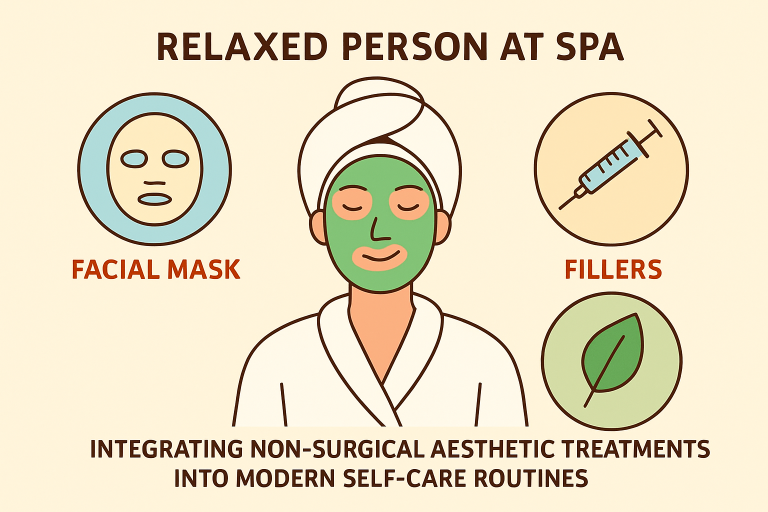
The Rise of Non-Surgical Cosmetic Procedures
The landscape of self-care has undergone significant evolution in recent years, primarily driven by the surge in non-surgical cosmetic treatments. Once considered a luxury or a last resort, procedures like Botox, dermal fillers, and advanced laser therapies are now routine for many people seeking to enhance or preserve their appearance. For those seeking to integrate aesthetics and wellness into their self-care regimen, providers like BE Aesthetics offer a range of non-invasive options that appeal to diverse age groups and lifestyles.
According to a recent Pew Research Center survey, nearly one in four U.S. adults has either tried or expressed interest in non-surgical cosmetic procedures. This reflects a broader cultural shift in which aesthetic enhancement is viewed less as vanity and more as a valid form of self-investment. Mainstream acceptance has grown, and these procedures are increasingly viewed as essential tools for maintaining confidence and well-being.
Modern self-care now encompasses everything from mindfulness meditation to rejuvenation therapies, integrating appearance-based solutions into holistic health routines. Much of this growth is fueled by the assurance of minimal downtime, cost-effectiveness, and natural-looking outcomes that non-invasive treatments promise.
As more people discover the potential of non-surgical cosmetic treatments to complement other wellness activities, these procedures have moved from the periphery of self-care to the mainstream.
Technological Advancements Enhancing Safety and Efficacy
Technological innovation has been a driving force in the growing trust and popularity of these procedures. Devices that combine microneedling with radiofrequency energy, for example, can effectively stimulate collagen and elastin production, refining skin texture without resorting to surgery. High-intensity focused ultrasound (HIFU), a technology initially developed for medical purposes, now lifts and tightens facial tissue through precise energy delivery, creating results similar to a facelift but without the need for incisions.
These developments have not only improved outcomes but have also reduced side effects and complications, making procedures more appealing and accessible. According to the American Society of Plastic Surgeons, the demand for non-surgical treatments has risen annually in tandem with advancements in technology and techniques. The enhanced safety profiles and faster recovery times have opened the door for more people to explore cosmetic enhancements as part of their self-care plans confidently.
In addition, these advancements enable experienced practitioners to tailor interventions more effectively to individual patient needs, supporting a broader range of skin types and tones while maintaining a focus on safety.
Social Media’s Influence on Beauty Standards
The powerful influence of social media cannot be understated in shaping perceptions of self-care and beauty. Platforms like Instagram and TikTok have transformed non-surgical cosmetic procedures from hidden secrets into openly discussed aspects of personal maintenance. Countless users now document their journeys, offering before-and-after images and candid assessments that demystify treatment experiences.
This transparency has reduced stigma and broadened the demographic considering such options. However, it is essential to recognize the dual nature of this influence. While openness educates and empowers, the widespread use of filters and photo editing can also amplify unrealistic expectations and distorted ideals of beauty. According to the American Academy of Dermatology Association, viewers should approach online content with discernment, understanding that individual results may vary.
Personalized Treatment Plans for Natural Results
Among the most significant shifts in the cosmetic industry is the move toward highly personalized approaches. Rather than adopting one-size-fits-all treatments, leading aesthetic providers now develop individualized plans tailored to each patient’s unique concerns and preferences. This approach combines therapies such as neurotoxins, fillers, laser resurfacing, and skin-tightening, tailored to an individual’s facial anatomy and desired outcomes.
The goal is to achieve results that subtly enhance rather than dramatically alter one’s appearance. Skilled practitioners work closely with clients to ensure that enhancements remain harmonious and natural, further destigmatizing cosmetic procedures.
Preventative Care and Early Interventions
The trend toward preventative skincare is transforming how people approach aging and self-care. Younger adults, in particular, are opting for treatments—such as maintenance doses of Botox or collagen-boosting therapies—long before lines and wrinkles become noticeable. This proactive attitude helps maintain natural skin structure over time, leading to more sustainable long-term outcomes.
Rather than waiting for signs of aging to appear before seeking correction, many are framing non-surgical treatments as another step in their larger wellness routine, similar to regular exercise or a balanced diet.
Accessibility and Affordability Driving Demand
Expanding access to these treatments has democratized the pursuit of aesthetic wellness. Medspas, dermatology clinics, and even some general medical offices now offer a wide array of procedures at prices much lower than traditional surgery. Minimal downtime means professionals can return to routine activities immediately, promoting these options among active individuals and those with busy schedules.
This ease of access supports the idea that aesthetic enhancements can be a realistic and attainable part of anyone’s self-care and wellness journey.
Ethical Considerations and Informed Decision-Making
As the landscape evolves, individuals must remain informed and discerning in their decision-making. A reputable provider will encourage consultation, patient education, and a clear understanding of potential risks and benefits. Ensuring that decisions are motivated by personal confidence rather than societal expectation is vital for healthy outcomes—both physically and emotionally.
The New York Times also emphasizes the psychological importance of transparent communication between patients and practitioners, promoting realistic expectations and safe practices.
Conclusion
Non-surgical cosmetic treatments have become an integral part of the modern concept of self-care. With advances in technology, broader accessibility, and a personalized approach, individuals can now safely blend aesthetic wellness into their everyday routines. Prioritizing education, ethical decision-making, and a holistic sense of well-being ensures these enhancements contribute positively to both self-image and overall health.


In today’s dynamic world, professionals often wear multiple hats, showcasing their talents in various arenas. One such individual is Cheryl McCoy-Gealey. With a compelling blend of skills, expertise, and a vibrant personality, Cheryl stands out as a noteworthy figure in her respective fields. This article delves into the life and accomplishments of Cheryl McCoy-Gealey, highlighting her journey, contributions, and future aspirations.
Early Life and Education
Cheryl McCoy-Gealey’s story begins with an educational background that laid the foundation for her diverse career. Born and raised in [insert location], she was always a curious and ambitious individual. From an early age, Cheryl displayed a penchant for learning and an interest in [insert relevant interests]. Her formative years were marked by a thirst for knowledge, which led her to pursue higher education in [insert field of study].
Having completed her undergraduate studies at [insert college/university], Cheryl continued to build on her academic credentials by obtaining a [insert degree, e.g., Master’s, PhD] in [insert relevant field]. This academic journey not only equipped her with the necessary skills but also instilled in her a strong sense of purpose and determination.
Professional Journey
Breaking into the Industry
Cheryl McCoy-Gealey’s professional journey is characterized by an unyielding commitment to excellence and a passion for her work. After completing her education, she embarked on a career in [insert industry/field], where she quickly made a name for herself. Her ability to adapt and innovate allowed her to excel in various roles, from [insert position] to [insert position], each contributing to her expanding skill set.
Key Contributions and Achievements
Cheryl’s career is marked by numerous contributions that have left a lasting impact on her field. One of her significant achievements includes [insert specific project or initiative], which not only showcased her leadership skills but also demonstrated her commitment to [insert relevant cause or goal].
In addition, Cheryl has been recognized with several awards, including [insert award names], underscoring her dedication to her craft and the influence she has had on those around her. Her work has often been featured in [insert publications or platforms], further amplifying her voice and vision in the industry.
A Passion for Mentorship
Beyond her professional accomplishments, Cheryl McCoy-Gealey is deeply committed to mentorship and community engagement. She believes in the importance of giving back and fostering the next generation of leaders. Through various initiatives, she has successfully mentored countless individuals, providing guidance and support in their personal and professional development.
Cheryl frequently participates in workshops, seminars, and conferences, where she shares her insights and experiences with aspiring professionals. Her advocacy for mentorship highlights her belief that collaboration and knowledge sharing are essential for collective growth and success.
Personal Life and Interests
While Cheryl McCoy-Gealey is undoubtedly a talented professional, she also leads a fulfilling personal life. Outside of her work, she enjoys [insert hobbies and personal interests], which allow her to unwind and reconnect with her passions. These pursuits not only enrich her life but also inspire her creativity and drive in her professional endeavors.
Cheryl is also passionate about [insert relevant causes or social issues], often dedicating her time and resources to support initiatives that align with her values. Her commitment to advocacy and community service showcases her holistic approach to life, where professional success and personal fulfillment go hand in hand.
Future Aspirations
Looking ahead, Cheryl McCoy-Gealey has ambitious plans for her future. She aims to [insert specific goals or projects], continuing her legacy of excellence and influence. With her unwavering dedication and multifaceted skill set, there is no doubt that she will continue to make significant strides in her field and inspire others along the way.
Conclusion
Cheryl McCoy-Gealey is a remarkable professional whose journey exemplifies the power of perseverance, dedication, and passion. Her contributions to her field, commitment to mentorship, and personal interests paint a picture of a well-rounded individual who is making a real difference in the world. As she continues to break barriers and pursue her goals, Cheryl serves as a beacon of inspiration for those aiming to carve their paths in both professional and personal realms. Keep an eye on this outstanding figure, as there is no telling where her talents will lead her next.
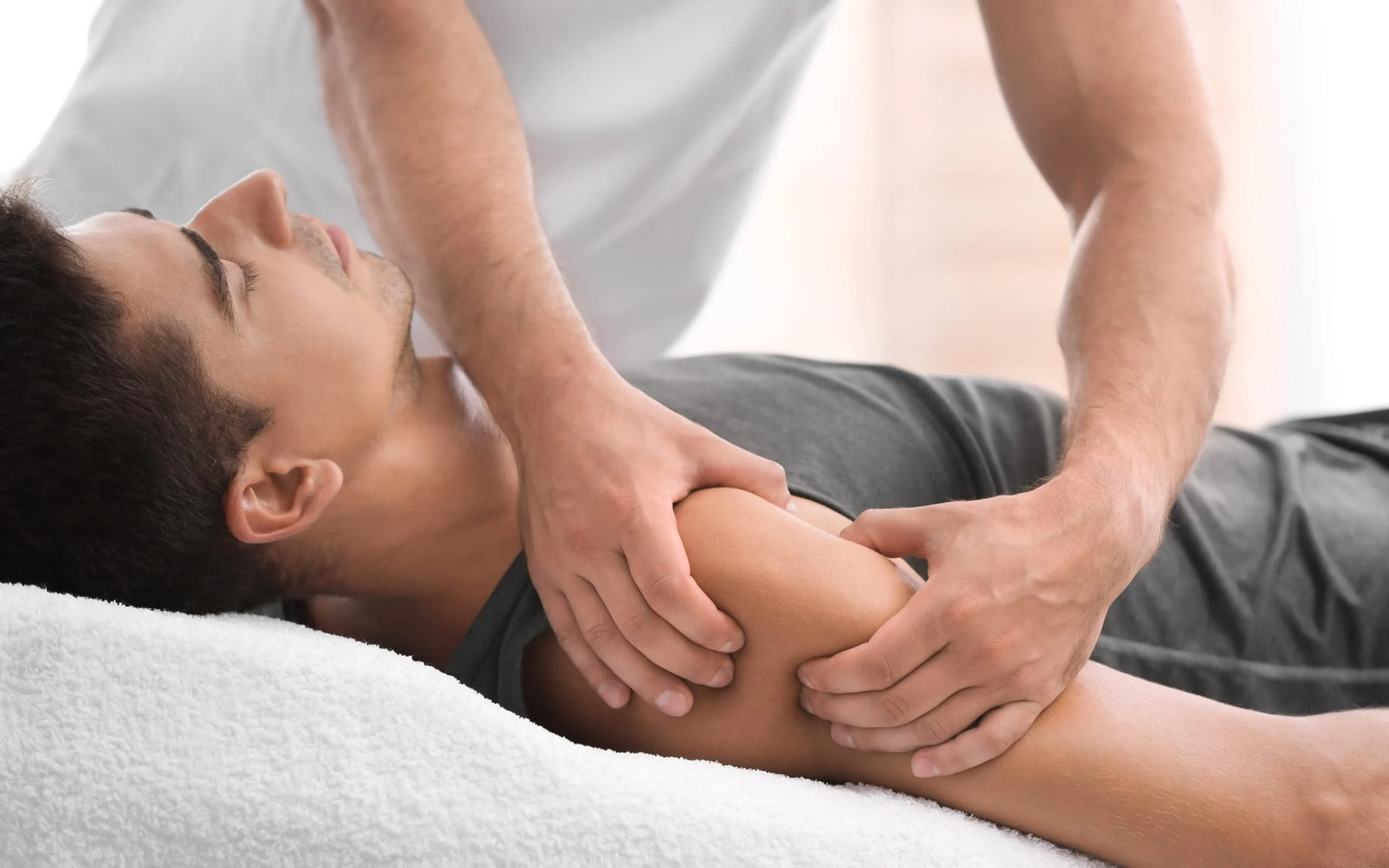
Muscle tightness, lingering discomfort, and limited movement are common concerns for many active individuals today. Whether it comes from sports, workouts, desk work, or repetitive strain, these issues often build slowly over time.
Today, many people searching for active release technique San Diego are looking for something that goes beyond basic stretching or massage. Active Release Technique, often called ART, focuses on improving how muscles and soft tissues move. It is commonly used to address tension caused by overuse.
What Is Active Release Technique?
Active Release Technique is a manual therapy that emphasizes on muscle, tendon, ligament and nerve. The intention is to loosen up taut spots and bring these back to their usual functioning.
In one session, a provider uses soft force as he or she moves the body through certain movements. This touch and motion combination contributes to the enhancement of flexibility and a decrease.
Why People Look for Active Release Technique
Most of the people start looking out active release technique around me after the conventional ways cannot fully address their pain.
Common reasons include:
- Muscle tightness
- Repetitive strain
- Limited mobility
- Sports-related tension
- Postural discomfort
ARTT does not just enter the muscles and relax them; ART focuses on enhancing the gliding and functioning of tissues.
How It Helps Movement
Tightening of the muscles may limit the joints and nerves in the area. This can cause rigidity or pain in daily activities.
Active Release Technique is beneficial because it:
- Improving flexibility
- Floating the movement.
- Tension relief of soft tissue.
Most individuals observe an improvement in the movement of their bodies when they receive regular care.
Who Might Benefit?
It is believed that the Active Release Technique is frequently useful in:
- Athletes
- Office workers
- Fitness enthusiasts
- Patients who have repetitive movement patterns.
Anyone dealing with muscle tension that affects daily movement may consider exploring this approach.
Finding the Right Provider
Experience and communication are relevant when seeking the providers of the active release technique.
A qualified provider normally:
- Assesses movement patterns
- Recognizes fissures or narrow spaces.
- Gives a clear explanation of how it does so.
Individual attention can yield improved outcomes.
What to Expect During a Session
Sessions are usually brief and focused. The provider works directly on the affected area while guiding the patient through controlled movements.
There can be some mild soreness since it follows the same pattern as the fatigue of muscles after exercise. This is usually short-lived.
Why It’s Gaining Attention in San Diego
San Diego’s active lifestyle often involves sports, fitness routines, and outdoor activities. Many individuals want to stay mobile without long recovery periods.
The active release technique provides a structured way to address muscle tension and support movement without invasive procedures.
Final Thoughts
The active release technique, San Diego, is likely to appear when you are searching for how to increase flexibility and decrease muscle tension. This practical method can assist in enhancing the mobility and overall comfort when the appropriate provider is involved.

In the ever-evolving digital landscape, the quest for the best deals and discounts has become a universal pursuit. Among the plethora of websites and platforms vying for the attention of savvy consumers, one name stands out as a shining beacon of opportunity – Sabsastaa.com.
The Sabsastaa.com Advantage
Sabsastaa.com is a comprehensive online platform that has carved its niche in the world of e-commerce by offering an unparalleled array of products and services at remarkably low prices. Catering to a diverse range of shoppers, from the budget-conscious to the discerning bargain hunters, this website has become a go-to destination for those seeking to maximize their purchasing power.
Vast Product Selection
Sabsastaa.com boasts an impressive inventory, spanning a vast array of categories, including electronics, home appliances, fashion, beauty, and more. Shoppers can explore a meticulously curated selection of high-quality items, all priced to ensure exceptional value for money. Whether you’re in the market for the latest gadget or searching for that perfect home décor piece, Sabsastaa.com has you covered.
Unbeatable Prices and Discounts
One of the key factors that sets Sabsastaa.com apart is its relentless commitment to offering the best possible prices. Through strategic partnerships with leading manufacturers and suppliers, the platform is able to secure exclusive discounts and offers, passing on the savings directly to its customers. Regular shoppers on Sabsastaa.com can expect to find a treasure trove of discounted products, often at a fraction of the retail price.
Seamless Shopping Experience
Sabsastaa.com understands that a smooth and user-friendly shopping experience is paramount in the digital age. The website’s intuitive interface and streamlined navigation make it easy for customers to browse, compare, and purchase their desired items with utmost convenience. From the moment you land on the homepage to the seamless checkout process, the entire journey is designed to enhance customer satisfaction.
Trusted and Secure Platform
Sabsastaa.com places a strong emphasis on customer trust and security. The platform employs robust data encryption and payment processing protocols, ensuring that your personal and financial information is safeguarded at all times. Additionally, the website’s commitment to transparent policies and responsive customer service further reinforces its reputation as a reliable and trustworthy e-commerce destination.
Conclusion
In a world where online shopping has become the norm, Sabsastaa.com stands out as a true game-changer. With its unbeatable prices, vast product selection, and seamless user experience, this platform has cemented its position as a go-to destination for savvy consumers seeking the best deals and discounts.
-

 TOPIC5 months ago
v4holt: Revolutionizing Digital Accessibility
-

 TOPIC8 months ago
Molex 39850-0500: An In-Depth Overview of a Key Connector Component
-

 blog6 months ago
Black Sea Body Oil: A New Standard in Natural Skincare
-

 TOPIC5 months ago
Mamuka Chinnavadu: An Exploration of Its Significance and Cultural Impact
-

 TOPIC6 months ago
Gessolini: Minimalist Aesthetic Rooted in Texture
-

 TOPIC8 months ago
Manguonmienphi: Understanding the Concept and Its Impact
-

 TOPIC7 months ago
Aiyifan: The Digital Platform Transforming Access to Asian Entertainment
-

 TOPIC8 months ago
Dorothy Miles: Deaf Poet Who Shaped Sign Language