
BUSINESS
How Digital Printing Is Transforming Small Business Marketing

Introduction
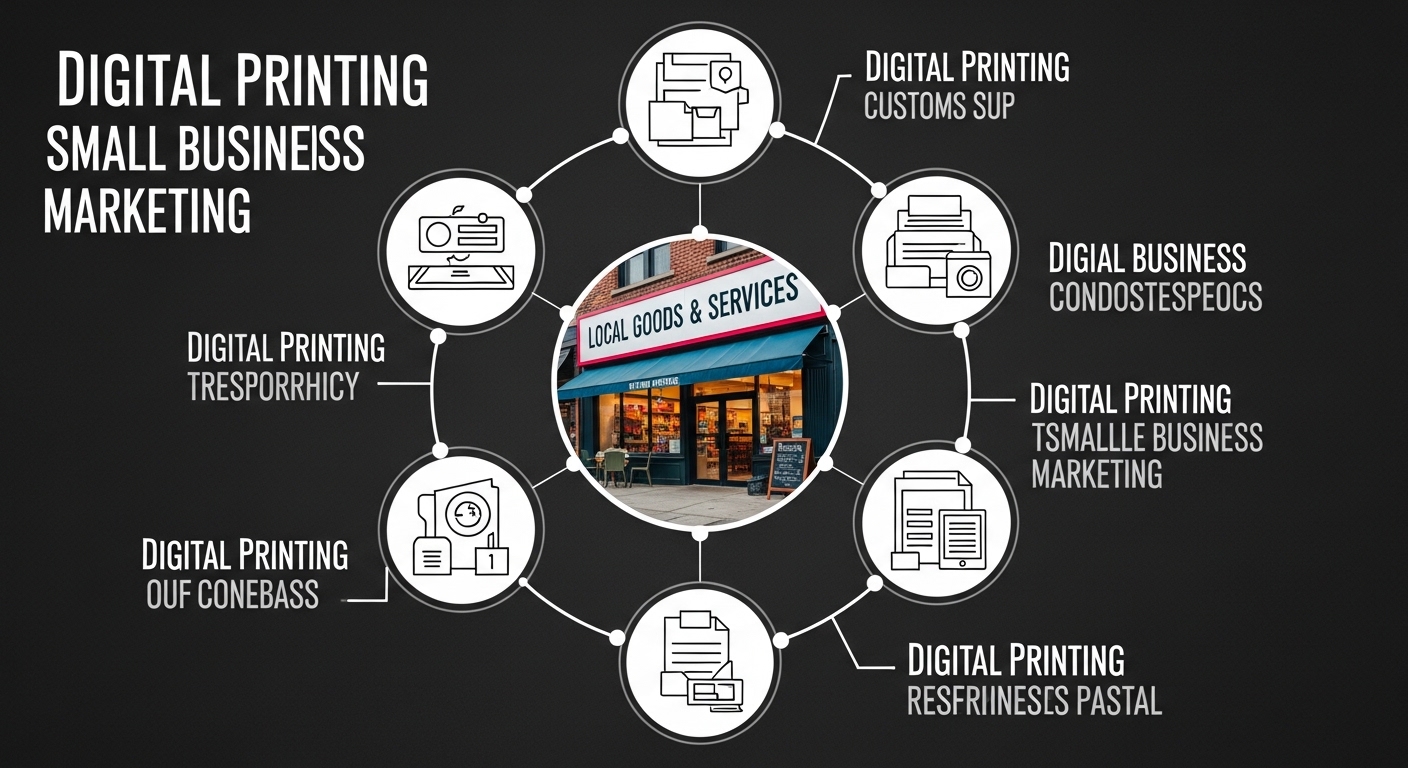
In today’s fast-paced, competitive market, small businesses face constant challenges in distinguishing themselves from both local competitors and larger, well-established organizations. Marketing effectively within tight budget constraints requires resources that are not only affordable but also adaptable and powerful. The advent of digital printing has been a transformative force in the marketing world, delivering levels of efficiency, affordability, and customization previously unattainable for small business owners. Companies like MidAmerican Printing Systems have leveraged the latest digital printing technologies to provide small businesses with innovative solutions that help their marketing campaigns stand out and perform more effectively.
With fewer setup requirements, virtually no delays, and unprecedented speed in executing marketing campaigns, digital printing is revolutionizing how marketing materials are produced and deployed. This major shift enables organizations of all sizes to deliver timely, targeted communications that connect more meaningfully with their audience. The impact of digital printing reaches far beyond mere cost savings to touch nearly every component of the marketing workflow, from content creation and design flexibility to campaign analysis and customer engagement.
Cost-Effective Solutions for Limited Budgets
One of the most noteworthy advantages of digital printing for small businesses is its unique cost-effectiveness. Traditional offset printing, while still a valuable asset for very high-volume jobs, is usually not economically viable for smaller print quantities. This approach often results in overproduction, excessive waste, and the management of unused inventory, leading to significant unnecessary expense, especially for campaigns that require regular updates or seasonal refreshes. Digital printing, in contrast, removes the need for costly setup plates and complicated make-ready processes, ensuring that even very short print runs are affordable and efficient. Small businesses can now print exactly what they need, when they need it, without the burden of surplus stock or storage problems that chip away at already slim profit margins.
The on-demand capabilities of digital printing further minimize operational costs and logistical complexity. Businesses are spared the hassle of forecasting large order quantities in advance and can effortlessly adapt to changing campaign needs with minimal risk. According to a Forbes report, digital printing empowers marketers to launch and adjust campaigns in real time, providing a significant edge in industries where speed and agility matter. This flexibility is often the difference between outperforming competitors and missing an important opportunity.
Personalization and Variable Data Printing
Personalization is at the very heart of modern marketing success, and digital printing has unlocked the full potential of this approach. One of digital printing’s most exciting advancements is variable data printing (VDP), which enables small businesses to quickly and efficiently customize each piece of printed material. Whether tailoring a direct mailer with the recipient’s name, providing customized addresses, or incorporating personalized promotion codes, small businesses can create highly relevant and meaningful marketing assets at scale, increasing their appeal to a wide range of customers while remaining cost-effective.
Research has consistently shown that personalized messages create stronger emotional ties with customers and often lead to increased response and engagement rates across a variety of industries. The ability to easily adjust and localize content ensures every recipient feels seen and valued, translating into greater brand loyalty and improved marketing performance. With digital printing, small businesses finally have the tools to compete with the sophisticated personalization strategies once reserved for enterprise-level marketing budgets.
Quick Turnaround Times
Agility is essential for small businesses striving to keep up with rapid changes in consumer preferences, shifting seasonal trends, and unexpected industry events. Unlike conventional offset printing, which can require days or even weeks from initial setup through to final production, digital printing delivers results within hours. The lack of plates, film, and other extensive setup requirements means that marketing materials can move from concept to completion at unprecedented speeds, enabling small businesses to stay nimble and responsive in a fast-moving marketplace.
Whether launching a last-minute promotion, responding to a sudden market opportunity, or updating campaign content based on new data, businesses can rapidly adjust their materials while the campaign is still relevant. Fast production ensures that sales collateral, event flyers, and even packaging stay fresh and impactful, ultimately increasing the effectiveness of every marketing dollar spent.
High-Quality Outputs
Early stereotypes about digital printing producing inferior or inconsistent results are now largely obsolete. Advances in printing technology over the past decade have closed the gap, delivering vibrant colors, crisp images, and professional-grade results that meet or exceed traditional printing standards. Brands benefit from consistent, eye-catching materials that elevate their perceived value and credibility with potential customers.
Importantly, small businesses can now achieve print quality once reserved exclusively for large enterprises, essentially leveling the playing field and supporting a full range of challenging branding needs from glossy brochures to unique packaging and promotional items.
Integration with Digital Marketing Strategies
In the modern marketing landscape, print and digital strategies no longer need to exist in separate silos. By integrating digital print campaigns with online assets, small businesses can create a seamless, unified brand experience across all touchpoints. For example, including trackable QR codes, augmented reality triggers, or personalized URLs in printed brochures can direct recipients to digital channels, whether a website, e-commerce portal, or social media platform, while tracking engagement and guiding visitors effectively through the sales funnel.
This integration enables improved measurement and optimization of campaign success metrics, allowing marketers to analyze print-driven engagement and make genuinely data-informed decisions for future improvement. The synergy between digital and print doesn’t just maximize reach and exposure; it also increases the overall impact and ROI of small-business marketing initiatives, helping brands build sustainable growth over time.
Eco-Friendly Practices
In recent years, consumers have increasingly made their purchasing decisions with a brand’s environmental impact in mind. Digital printing supports sustainability in several key ways that resonate with this growing eco-conscious demographic. It virtually eliminates unnecessary waste by allowing businesses to specify exact print quantities for their needs and, in many cases, uses eco-friendly inks or recycled paper options to further reduce environmental impact.
Businesses that actively embrace these eco-friendly practices not only appeal to environmentally conscious customers but also enhance their corporate responsibility reputation. The shift to greener production processes can result in long-term cost savings and help ensure compliance with evolving environmental regulations. According to The New York Times, adopting greener practices is not just a trend but a crucial foundation for building consumer trust and staying competitive in today’s market.
Final Thoughts
Digital printing is transforming small-business marketing by ushering in a new era of flexibility, affordability, and innovation. With cost-effective solutions, limitless personalization, rapid turnaround, high-quality output, seamless digital integration, and sustainable practices, this technology empowers businesses to compete and thrive even in demanding markets. Embracing digital printing allows small enterprises to maximize their marketing potential and form deeper connections with their audiences, ultimately driving long-term growth and success in an increasingly digital world.

From professional offices in Salem and Peabody to contractors, clinics, and retailers throughout Essex County, small businesses handle more sensitive information than they may realize. A practical disposal routine helps protect customer details, employee records, financial documents, and retired technology after those materials are no longer needed.
For organizations evaluating NAID certified shredding Essex County MA, Bay State Shredding is a family-owned provider of document and hard-drive destruction services that serves Massachusetts, Rhode Island, New Hampshire, and Maine. Its team’s longstanding involvement with i-Sigma, formerly NAID, and its focus on compliant destruction practices make the company a relevant local example for Essex County businesses that need secure containers, scheduled pickups, purge projects, or electronic-media destruction.
Why Secure Disposal Matters for Essex County Businesses
Information does not become harmless simply because it is old. A printed invoice can contain account information, a personnel file can include private employee details, and an unused laptop may still hold documents, saved passwords, or access to business systems. Keeping unnecessary records also makes storage areas harder to organize and can slow down future searches for the records that still matter.
Local businesses often operate with lean teams, shared workspaces, and limited storage. That makes simple routines especially valuable. A locked console near the printer, a designated owner for archived files, and a scheduled review of old devices can replace uncertainty with a process employees can follow every day.
Step One: Create a Record Inventory
A disposal plan starts with knowing what the business has. List physical records and electronic information, then identify where each item is stored. The inventory does not need to be complicated. A working spreadsheet or records list is often enough to show what exists, who owns it, and when it should be reviewed.
- Customer and client files
- Employee, payroll, and benefits records
- Invoices, bank materials, and tax documents
- Contracts, correspondence, and meeting notes
- Medical, insurance, or other protected information
- Old laptops, phones, desktops, servers, and hard drives
- USB drives, memory cards, external drives, and backup media
Step Two: Sort Information by Risk
A simple three-level system makes disposal decisions easier for staff members who are not records-management specialists.
- Public information: Material approved for public use, such as brochures, published announcements, and public marketing pieces.
- Internal information: Everyday business material that is not intended for public release, including draft procedures and internal communications.
- Confidential information: Records containing personal, financial, employment, health, account, customer, or proprietary business information.
Confidential material should not go into an open trash bin or mixed paper recycling. A page does not need to include a Social Security number to be handled securely. A customer list, a signed agreement, or a page of employee evaluations may still create privacy and business risks if exposed.
Step Three: Set Retention Rules Before Destroying Anything
Secure destruction is only one part of responsible records management. Before a document or device is approved for disposal, confirm whether it must be retained for tax, employment, contractual, regulatory, legal, or operational reasons. If there is a pending audit, investigation, or legal hold, pause routine destruction for the affected materials.
- Assign an owner to each major record category.
- Document why the category is retained and when it will be reviewed.
- Use review dates rather than allowing files to remain in storage indefinitely.
- Seek legal or compliance guidance for industry-specific obligations.
- Keep a record of approved destruction when the business needs an audit trail.
Step Four: Build a Secure Paper Disposal Routine
The strongest paper-disposal process is one that employees can complete without stopping to guess. Place locked collection containers in convenient locations, such as near copiers, mail areas, accounting desks, or human resources files. Train staff to place confidential paper directly into those containers rather than leaving it beside a shredder or in a desk drawer.
Schedule destruction before containers overflow. For example, an Essex County accounting office may collect outdated invoices and printed tax work throughout the month, complete its retention review, and then send the approved records through one controlled destruction process. This is generally easier to monitor than allowing every employee to make individual disposal decisions.
Healthcare-related organizations should also understand that protected health information must be safeguarded during disposal. The appropriate method depends on the organization’s circumstances and the nature of the information involved.
Step Five: Treat Devices and Electronic Media Separately
Paper shredding does not address data stored on equipment. Deleting a file, emptying a recycle folder, or resetting a device may not be an appropriate final step for every situation. Before a device leaves the business, identify it, remove it from active accounts and management systems, and decide whether to reuse, sanitize, physically destroy, or recycle it.
The media sanitization guidance published by NIST emphasizes selecting sanitization techniques and controls based on the sensitivity of the information. Keep serial numbers and destruction or sanitization records when they are useful for inventory control, compliance, or vendor oversight.
Choosing In-House or Outsourced Destruction
In-House Destruction May Fit When
- Document volume is low and infrequent.
- Access to the equipment can be controlled.
- Employees have defined responsibilities and sufficient time.
- The business can document completed destruction when needed.
Outsourced Destruction May Fit When
- Several departments produce confidential material.
- Large purge projects require a more consistent process.
- The business needs locked containers or scheduled service.
- Paper and electronic media need separate handling methods.
- The organization wants service documentation or certificates of destruction.
What a Written Disposal Policy Should Include
- The information and devices covered by the policy
- Approved storage, collection, and disposal locations
- Employee responsibilities and training expectations
- Retention reviews and legal-hold procedures
- Approved paper and electronic-media destruction methods
- Procedures for misplaced, exposed, or improperly discarded records
- The person responsible for reviewing the policy at least annually
Make Secure Disposal Part of Daily Operations
Secure disposal works best when it becomes a normal business habit rather than a once-a-year clean up task. By inventorying records, setting retention rules, training employees, and using an appropriate destruction method for each format, Essex County businesses can reduce clutter while giving private information the care it deserves.
In the fast-changing landscape of modern commerce, digital transformation has become vital for businesses that wish to stay relevant and succeed. Today’s competitive environment requires adaptable strategies, innovative thinking, and a commitment to customer-centric service. Integrating digital technologies touches every part of a company’s operations and opens doors to advantages that drive business forward. Whether you are a small business or a large enterprise, leveraging tools to streamline work, improve customer satisfaction, and sharpen decision-making is fundamental. Companies aiming to be leaders in their industries cannot afford to overlook these changes. If your business is facing unique challenges such as compliance or risk issues, a consultation with experienced professionals, like a car accident lawyer Macomb County could provide insights into digital adaptation within specialized fields.
Incorporating digital solutions means more than adopting new software; it is about shifting your organization’s mindset and workflows. By optimizing resources, automating routine processes, and harnessing real-time data, businesses become more efficient, innovative, and resilient. Some sectors, including finance and health care, also reap benefits in safety and accuracy while providing higher-quality service to their clients.
Enhancing Operational Efficiency
Digital solutions help companies automate repetitive and mundane tasks. When organizations leverage cloud-based project management tools, time-tracking software, or automated invoicing, employees can focus their efforts on strategic activities that drive results. This shift leads to fewer errors, clearer communication across teams, and faster completion times for projects. Data-driven processes, especially those that minimize manual input, can dramatically improve output quality and productivity.
Improving Customer Experience
Modern customers expect convenience, speed, and personalization. By implementing platforms such as customer relationship management (CRM) systems, businesses can efficiently track interactions, preferences, and behaviors. This information allows companies to tailor marketing messages, recommend products, and resolve concerns more quickly. Embracing digital channels across the customer journey has become a necessity for any business that wishes to retain loyalty and remain competitive.
Achieving Cost Savings
Adopting digital workflows often lowers expenses tied to paper, manual processes, and older hardware systems. For example, a company can reduce postal costs by moving to electronic communications or cut travel costs by holding virtual meetings. Additionally, resources can be allocated more efficiently as analytics identify areas of waste and bottlenecks. While the initial investment in digital transformation can be significant, the long-term cost reductions far outweigh these upfront expenses.
Leveraging Data and Analytics
The ability to collect and analyze data in real-time offers a critical advantage. Organizations use digital tools to gather insights about customer preferences, market trends, and internal performance metrics. This knowledge forms the foundation for evidence-based planning and rapid adaptation to changing conditions. According to The Wall Street Journal, investing in analytics drives stronger business outcomes and future-proofs operations.
Fostering Innovation and New Revenue Streams
Digital transformation gives companies the flexibility to experiment with new ideas and offerings. Businesses can rapidly test, iterate, and bring innovations to market, from entirely new products to subscription-based digital services. Monetizing data, providing digital consultations, and deploying mobile apps are just a few examples of how digital evolution can open up valuable revenue streams. Enterspeed points out that new capabilities made possible by digital platforms can radically change a firm’s potential for growth and profitability.
Enhancing Employee Experience
Employees benefit from automation and centralized resources that support productivity. Tasks such as payroll, scheduling, and employee onboarding become streamlined, reducing administrative burden and improving overall morale. When staff spend less time on repetitive work, they can focus on creative and high-impact projects. According to TechCrunch, digital environments that promote collaboration have a direct positive effect on engagement and satisfaction.
Ensuring Scalability and Agility
Cloud computing and digital platforms allow companies to expand more easily, whether adding new product lines or serving new markets. This scalability comes with the added benefit of agility: organizations can quickly shift resources and adjust to evolving demands without major infrastructure overhauls. Enterspeed emphasizes that digital systems make it easier for businesses to respond to disruption, be it from competition or broader economic shifts.
Conclusion
Digital transformation is not just a trend but a strategic imperative for businesses to thrive in the modern era. By adopting digital solutions, companies achieve operational excellence, innovate faster, and create memorable customer experiences. Whether you are at the beginning of your digital journey or looking to expand your existing systems, the benefits are clear: improved efficiency, stronger decision-making, and sustained growth for the future.


You’ve probably heard of Retroya before, but do you really know what it is? Retroya is a hot new trend that’s sweeping the nation, especially among millennials and Gen Zers. In this blog post, I’m going to give you the complete lowdown on everything Retroya – what it is, where it came from, why people love it so much, and how you can get in on the Retroya craze. Stick with me, and by the end, you’ll be a total Retroya expert. I’ll fill you in on all the need-to-know Retroya terminology, the most popular Retroya items and styles, where to find the best Retroya shops and events near you, and even tips for rocking the Retroya look yourself without breaking the bank. So get ready to take a trip back in time, because class is in session – welcome to Retroya 101!
What Is Retroya?
Retroya is a new social media platform that lets you connect with friends and family in a whole new way.
On Retroya, you create a timeline of memories by uploading photos, life events, stories, and more. Then you invite friends and family to add their perspectives and share their memories of the same events and occasions. This allows you to build a collaborative story of your lives together over the years.
Share Life’s Big Moments
Want to relive the excitement of your wedding day or the birth of your first child? On Retroya you can share photos and stories of your most memorable life events. Friends and family who were there can add their memories and perspectives to build a complete picture of the experience.
Rediscover Everyday Memories
Retroya isn’t just for the major milestones. You can also share memories of random everyday moments – like the family vacation where the car broke down, or the time you tried and failed to cook your first Thanksgiving dinner. These small details often make up the fabric of our closest relationships, and Retroya gives you a place to preserve them.
Stay Connected Across Generations
Retroya is perfect for connecting with family across generations. Kids can learn about their parents’ and grandparents’ lives before they were born. Grandparents can share memories of their own childhoods. These intergenerational connections help strengthen family bonds in an age when extended families are often separated geographically.
Retroya provides a new way to reconnect with your most cherished memories and the people you’ve shared them with. By building this collaborative story over time, you can gain a deeper appreciation for the relationships that truly define your life.
The Origins and History of Retroya
Retroya finds its roots in the early 1980s. Back then, retro culture was just emerging as a countermovement to the fast pace of cultural and technological change. ###Fashion and music
The fashion and music industries were the first to tap into nostalgia for the styles of previous decades. Suddenly, thrift stores and vintage clothing became popular, while bands started emulating the sounds of the 1950s and 60s.
Reclaiming the past
For young people coming of age in the 80s, the retro trend was a way to reconnect with a simpler time they had never actually experienced. It allowed them to reclaim cultural touchpoints from before they were born and repurpose them in new, ironic ways.
Mainstream takeover
By the 1990s, retro culture had exploded into the mainstream. Old styles were revived and mashed up in new combinations. Everything from mid-century modern furniture to neon colors and cassette tapes experienced a huge resurgence in popularity.
Retroya culture today
Today, Retroya culture is deeply ingrained in society. We casually reference decades past in music, movies, and fashion. Retro-inspired designs have become timeless, rather than obviously outdated. Nostalgia for specific eras waxes and wanes, but our general fascination with pop culture of the past remains.
Retroya provides continuity between generations and allows us to celebrate the styles that shaped society as we know it. It proves that everything old can be new again when rediscovered by the right generation. By looking back, retroya culture finds a way to move forward.
Why Retroya Is So Popular
Retroya has become a cultural phenomenon for good reason. ###Accessibility
First, Retroya is free to play and compatible with most devices, so anyone can easily get started. All you need is a mobile phone or computer and an internet connection. This kind of accessibility is appealing in today’s busy world.
Nostalgia Factor
Retroya also taps into nostalgia for retro 8-bit and 16-bit era graphics. The pixelated style is charming and transports players back to the early days of gaming. The soundtrack also features chiptune music that evokes a sense of nostalgia. This combination of visuals and audio triggers a sense of nostalgia, especially for millennials and Gen Xers who grew up with early consoles like the NES and Super Nintendo.
Addictive Gameplay
Most importantly, Retroya is just plain fun to play. The gameplay is simple but challenging, with levels that gradually increase in difficulty to keep you coming back. Completing levels and unlocking new characters gives you a sense of progress and achievement. Before you know it, you’ve spent hours exploring the colorful worlds and bumping off enemies. The “just one more level” effect keeps players hooked for the long term.
Retroya has resonated with so many because it’s accessible, taps into nostalgia, and features gameplay that’s easy to pick up but hard to put down. All of these elements combined have led to Retroya’s huge popularity and success. If you haven’t tried it yet, give Retroya a shot. You’ll quickly see why so many have fallen under its retro spell.
Where to Find Retroya Products
Retroya products are available through various online and brick-and-mortar retailers. Their line of vintage-inspired clothing, accessories, and home decor are popular worldwide, so you have many options for where to shop.
Online
The easiest way to shop Retroya is through their official website, Retroya.com. There you’ll find their full collection of women’s and men’s fashion as well as home goods. They frequently run sales and promo codes for their loyal customers and email list subscribers. Retroya also sells through major online retailers like Nordstrom, ASOS, and Urban Outfitters. These sites often carry Retroya’s latest collections and may run special discounts. Follow Retroya on social media to get alerts for flash sales and new product drops on these sites.
In Stores
For an authentic Retroya experience, visit one of their flagship boutiques located in New York, London, and Paris. These massive stores carry Retroya’s complete line of clothing, accessories, beauty products, and home decor. Stopping in is a must for any die-hard Retroya fan visiting those cities.
Retroya also has a presence in popular department stores like Bloomingdale’s, Galeries Lafayette, and Lane Crawford. These stores typically carry a curated selection of Retroya’s trendiest and most popular pieces each season. It’s a great way to see and feel a sampling of their products in person before deciding what you want to purchase online or through their boutiques.
With Retroya’s ever-growing popularity and expansion into new product categories, shopping their brand has never been easier. Whether online or in stores near you, you’re sure to find whatever vintage-inspired pieces you’re looking to add to your collection. Happy shopping!
Conclusion
So there you have it – the complete lowdown on Retroya. From its humble beginnings as a small startup to its meteoric rise as one of the hottest retro gaming companies around, this innovative business found its niche by tapping into nostalgia in a high-tech way. Whether you’re itching to re-live your childhood gaming glory days or are just curious about this retro gaming revival, Retroya’s innovative consoles and games are bringing back the magic of classic gameplay for a new generation. With their commitment to quality and customer experience, it looks like Retroya is poised to continue leading the way in retro gaming for years to come. So what are you waiting for? It’s game on with Retroya!
-

 BLOG12 months ago
Konversky: Next‑Gen AI‑Powered Digital Communication
-

 BLOG11 months ago
Fesbuka: How to Maximize Your Experience on the Platform
-

 TOPIC1 year ago
Aiyifan: The Digital Platform Transforming Access to Asian Entertainment
-

 BLOG11 months ago
Seasonal Events at Маријин Трг: What to Experience Year-Round
-

 TOPIC1 year ago
Doujindesu Explained: Legal Concerns, Privacy Risks, and the Future of Fan-Made Manga Culture
-

 TOPIC1 year ago
TalktoWendys: The Complete Guide to Wendy’s Customer Feedback Survey
-

 TOPIC1 year ago
Moviepire: A New Digital Frontier in Curated Cinema and Audience-Driven Film Culture
-

 TOPIC1 year ago
Molex 39850-0500: An In-Depth Overview of a Key Connector Component