
HEALTH
ER Tech Career Guide: What Emergency Room Technicians Really Do


When you think about the fast-paced world of emergency rooms, images of doctors in scrubs and nurses rushing around might come to mind. But lurking in the background, playing a crucial role, are ER Tech—often overlooked yet essential contributors to patient care. These skilled individuals operate under pressure, ensuring that every moment counts when life is on the line.
ER Technicians are at the heart of emergency medical services. They assist in diagnosing conditions, managing equipment, and providing vital support during critical situations. If you’re curious about what it takes to thrive as an ER Tech or considering this rewarding path for yourself, you’re in the right place. Dive into our comprehensive guide and discover everything you need to know about this dynamic career!
Education and Training Requirements
To become an ER Tech, specific education and training are essential. Most employers require at least a high school diploma or GED. However, pursuing further education can enhance your prospects.
A common path is to obtain an associate degree in emergency medical technology or a related field. These programs typically include hands-on training and clinical experience, which are invaluable in the fast-paced environment of an emergency room.
Certification can also be beneficial. Many states offer certification programs that focus on critical skills like CPR and basic life support. Gaining this credential demonstrates your commitment to patient care and can set you apart from other candidates.
Ongoing education is vital as well. Staying current with advancements in medical technology ensures you remain effective in your role while enhancing your professional development opportunities within healthcare settings.
Duties and Responsibilities in the Emergency Room
ER Technicians play a critical role in the fast-paced environment of emergency rooms. They are often the first point of contact for patients arriving with various ailments.
Their responsibilities include performing triage, assessing patient conditions, and ensuring that vital signs are monitored. This immediate attention can be life-saving.
Additionally, ER Techs assist physicians during examinations and procedures. They prepare instruments and maintain sterile environments to prevent infections.
Another key duty involves managing medical equipment. Ensuring everything is functioning properly is essential for effective treatment in emergencies.
Communication skills are crucial too. ER Technicians must relay important information between doctors, nurses, and families while maintaining composure under pressure.
They also handle administrative tasks such as updating patient records and coordinating care plans with other healthcare staff members. These diverse duties make every shift unique and engaging for those who thrive in dynamic settings.
Challenges and Rewards of being an ER Technician
Being an ER Technician comes with its own set of challenges. The fast-paced environment can be overwhelming at times. Each day presents new emergencies, demanding quick thinking and adaptability.
Emotional resilience is crucial in this role. You often encounter traumatic situations that can take a toll on mental health. Balancing compassion with the need to remain focused is not easy.
Yet, the rewards are significant. Helping patients during their most vulnerable moments brings immense satisfaction. Knowing you play a vital role in saving lives is powerful.
The camaraderie among hospital staff also creates a supportive atmosphere. Colleagues become friends, sharing experiences that bond you together in challenging circumstances.
Opportunities for growth exist as well, allowing for career advancement through additional training and specialization. This dynamic field keeps your skills sharp while offering room for personal development.
Advancement Opportunities and Salary Expectations
Advancement opportunities for ER Techs are promising. Many professionals start in entry-level positions but can move up quickly with experience and additional training. Certifications in specialized areas, such as trauma care or pediatric support, can open new doors.
Salary expectations vary by location and facility type. On average, an ER Technician earns between $35,000 to $60,000 annually. Urban centers often offer higher pay due to demand and cost of living adjustments.
With experience comes the chance to take on leadership roles or transition into nursing programs. Some technicians choose to become paramedics or pursue further education in healthcare-related fields.
Job growth is projected to be strong as hospitals expand their emergency services. This trend suggests that a career as an ER Tech not only offers stability but also potential for professional development over time.
A Day in the Life of an ER Technician
The day begins with a rush. As the ER Technician, you walk into a bustling environment filled with energy and urgency. The familiar sounds of beeping machines and chatter fill the air.
You quickly check in with the nursing staff to get updates on patients needing immediate attention. Each minute is crucial when lives hang in balance.
Your first task might involve preparing equipment for an incoming trauma case or assisting doctors during examinations. You’re hands-on, providing both technical support and emotional reassurance to worried families.
As shifts progress, you juggle various responsibilities—drawing blood, setting up IVs, and conducting basic tests while monitoring patient vitals closely. Every moment brings something new; no two days are ever alike.
Breaks are rare but essential for recharging before diving back into another wave of emergencies that require your skills and composure under pressure.
Conclusion: Is a career as an ER Technician right for you?
Choosing a career as an ER Tech is not just about the technical skills; it’s also about passion and resilience. If you thrive in high-pressure situations and have a strong desire to help others, this role could be fulfilling for you. The blend of hands-on experience with critical care makes it unique.
The responsibilities are demanding but rewarding. You’ll play a pivotal part in patient care, often being the first line of support during medical emergencies. With various paths for advancement, there’s room to grow your expertise and take on greater challenges.
Consider what excites you most within healthcare. If immediate patient interaction and diverse cases appeal to your interests, becoming an ER Tech might align perfectly with your career aspirations. Explore the educational requirements carefully to ensure you’re prepared for what’s ahead.
Weighing both the challenges and rewards will guide you in deciding if this fast-paced environment suits your lifestyle and goals in healthcare.


Tonghou (often written as Tong Ho or Tong Hao) is a vibrant green leafy vegetable scientifically known as Glebionis coronaria. This nutrient-dense plant belongs to the daisy family and has been used in Asian kitchens for centuries. Today, tonghou is gaining global attention as a functional green vegetable, valued for its flavor, health benefits, and sustainability.
The plant grows quickly, produces aromatic leaves, and thrives in cool climates. Its tender green foliage carries a mild herbal bitterness similar to arugula and spinach. Because of its strong nutritional profile and eco-friendly cultivation, Tonghou is increasingly recognized as a modern go-green food choice for healthy diets and sustainable agriculture.
What is Tonghou ?
Tonghou is a fast-growing leafy plant cultivated primarily as a vegetable crop. Botanically, it belongs to the Asteraceae family, which includes lettuce, daisies, and sunflowers. Unlike typical leafy greens, Tonghou combines culinary, medicinal, and ecological value.
The plant typically grows between 30 and 90 centimeters tall. It produces deeply lobed green leaves, slender stems, and small yellow daisy-like flowers when mature. Farmers prefer Tonghou because it adapts well to different soil types and climates, making it a low-maintenance crop suitable for sustainable farming systems.
Its rapid growth cycle, often harvestable within 35–50 days, makes tonghou a practical choice for both commercial growers and home gardeners seeking a high-yield green vegetable with minimal environmental impact.
Nutritional Powerhouse: Why Tonghou Is Considered a Super Green
Tonghou stands out nutritionally among leafy vegetables due to its high concentration of vitamins, minerals, and protective plant compounds. Regular consumption supports multiple aspects of human health.
Key nutrients found in Tonghou include the following:
- Vitamin A—supports vision, skin health, and immune function
- Vitamin C—promotes immunity and antioxidant protection
- Calcium—strengthens bones and teeth
- Iron—supports oxygen transport in blood
- Dietary fiber—improves digestion and gut health
These nutrients work together to support immune defense, cardiovascular health, and metabolic balance. Tonghou also contains flavonoids and carotenoids, bioactive compounds known to reduce oxidative stress in the body.
Because of this nutritional density, many nutrition experts consider Tonghou part of the next generation of functional vegetables.
Health Benefits of Tonghou for Modern Wellness
The health advantages of Tonghou extend beyond basic nutrition. Research on edible chrysanthemum greens suggests several potential wellness benefits.
Tonghou may help support:
• Heart health by providing antioxidants that protect blood vessels
• Digestive health due to its fiber content
• Immune strength through vitamins and phytochemicals
• Anti-inflammatory protection from plant antioxidants
Traditional herbal systems in East Asia have long used Tonghou leaves to help improve circulation and reduce internal heat in the body. While modern science continues to explore these claims, the plant’s nutrient profile strongly supports its role as a health-promoting green vegetable in balanced diets.
Tonghou in Culinary Culture
Tonghou has been a staple vegetable in Chinese, Japanese, and Korean cuisine for generations. Its unique herbal flavor adds depth to a wide variety of dishes. In Japan, it is known as “Shungiku,” while Chinese cuisine often refers to it as “Tong Ho.”
Common culinary uses include:
- Hot pot vegetables
- Stir-fried greens
- Herbal soups
- Noodle dishes
- Fresh salads
The leaves soften quickly when cooked, releasing a delicate aroma that enhances broths and stir-fries. Modern chefs increasingly incorporate Tonghou into plant-forward menus, vegan dishes, and wellness cuisine because it combines flavor with nutritional density.
This versatility makes Tonghou an ideal ingredient for both traditional comfort foods and contemporary healthy cooking.
Why Tonghou Supports the Go-Green Movement
Tonghou fits perfectly within the global shift toward sustainable and environmentally responsible food systems. Compared with many commercial crops, the plant requires fewer agricultural inputs.
Several factors make Tonghou eco-friendly:
• Rapid growth cycle reduces resource consumption
• Minimal fertilizer requirements
• Adaptability to organic farming systems
• High productivity in small garden spaces
Because it grows quickly and densely, Tonghou can be harvested multiple times within one season. This efficiency reduces land pressure and improves food sustainability.
As consumers increasingly prioritize eco-conscious diets, Tonghou represents a green vegetable that supports both personal health and environmental resilience.
How to Grow Tonghou at Home for Fresh Organic Greens
Growing Tonghou at home is surprisingly simple, even for beginner gardeners. The plant thrives in cool temperatures and well-drained soil, making it suitable for small gardens or container cultivation.
Basic growing steps include:
• Plant seeds in early spring or autumn
• Provide moderate sunlight
• Water regularly but avoid overwatering.
• Harvest young leaves for the best flavor
Home gardeners appreciate Tonghou because it produces edible leaves within a few weeks. Regular harvesting encourages continuous growth, allowing households to enjoy fresh organic greens directly from their garden.
Why Tonghou Is Emerging as a Future Superfood
Global dietary trends increasingly emphasize nutrient-dense, plant-based foods with minimal environmental impact. Tonghou meets both of these priorities.
Its growing popularity can be attributed to several factors:
- rising interest in Asian superfoods
- Demand for sustainable vegetables
- increasing awareness of functional nutrition
- expansion of plant-based diets worldwide
Food scientists and nutrition experts are beginning to highlight Tonghou as a high-value green vegetable for modern health-focused lifestyles. Its combination of flavor, nutrients, and ecological benefits makes it well-positioned to become a major component of future sustainable diets.
Conclusion
Tonghou represents far more than a simple leafy vegetable. It is a nutrient-rich super green, a culinary tradition, and a sustainable crop aligned with the future of food. With its powerful nutritional profile, versatile culinary uses, and environmentally friendly cultivation, Tonghou offers a compelling solution for people seeking healthier and greener diets.
As global interest in plant-based nutrition and eco-conscious agriculture continues to grow, Tonghou stands out as a smart, sustainable, and delicious addition to modern wellness cuisine. Incorporating this vibrant green leaf into everyday meals supports both personal health and the long-term sustainability of our food systems.
FAQ’s
Q. What is Tonghou?
It is a leafy green vegetable known scientifically as Glebionis coronaria. It belongs to the chrysanthemum family and is widely used in Asian cuisine.
Q. Is Tonghou healthy?
Yes. It is rich in vitamins A and C, minerals like calcium and iron, and antioxidant compounds that support immune health and digestion.
Q. Is Tonghou the same as chrysanthemum greens?
Yes. Tonghou, Tong Ho, and chrysanthemum greens all refer to the same edible plant species used as a vegetable.
Q. How does it taste?
It has a mild herbal flavor with slight bitterness, similar to a blend of spinach, arugula, and parsley.
Q. Can it be eaten raw?
Yes. Young leaves can be eaten raw in salads, while mature leaves are commonly cooked in soups, stir-fries, and hot pots.

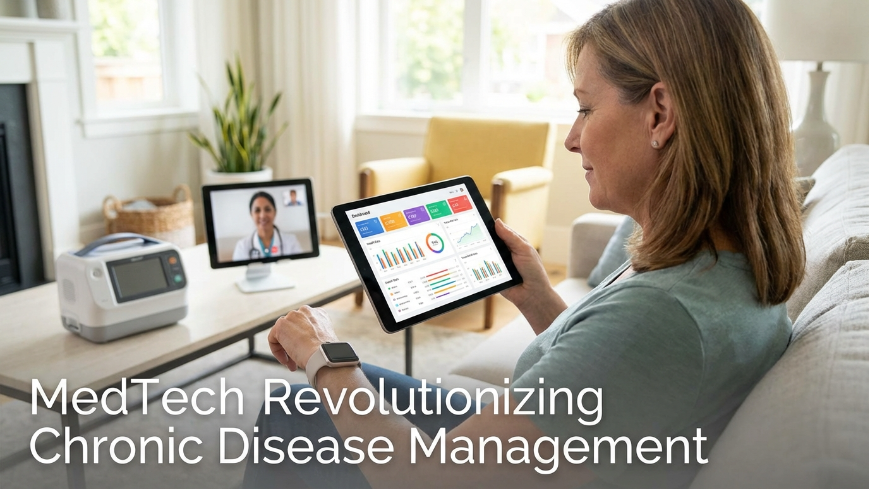
For the better part of a century, the medical model for treating chronic disease has been surprisingly episodic. A patient with diabetes, hypertension, or heart failure would visit a clinic perhaps four times a year. In those brief fifteen-minute windows, a physician would attempt to reconstruct the patient’s health trajectory based on a few static data points—a blood pressure reading taken in a stressful office environment, or a blood sugar log hurriedly scribbled in a notebook.
This approach, while traditional, is inherently flawed. Chronic diseases do not pause between appointments. They are relentless, dynamic processes that fluctuate with every meal, every night’s sleep, and every walk around the block. To manage them with quarterly snapshots is akin to trying to understand a movie by looking at four still frames.
Fortunately, we are witnessing a paradigm shift. The convergence of medical technology (MedTech) and digital connectivity is dismantling the old, reactive model of care. In its place, a proactive, continuous, and highly personalized ecosystem is emerging—one where the hospital is not a destination, but a ubiquitous presence woven into the fabric of daily life.
The Rise of the Invisible Guardian: Remote Patient Monitoring
The cornerstone of this revolution is Remote Patient Monitoring (RPM). RPM moves clinical oversight from the hospital ward to the living room, utilizing a network of connected devices to track vital signs in real-time.
Consider the management of Congestive Heart Failure (CHF). Historically, the first sign of decompensation was often a patient arriving at the Emergency Room gasping for breath. Today, Med Tech allows for a far subtler intervention. Patients can sleep on “smart mats” placed under their mattresses that detect minute changes in thoracic fluid levels and respiration rates. Or they might use a connected scale that alerts a care team if weight increases by two pounds overnight—a hallmark of fluid retention.
This constant stream of data allows physicians to intervene days before a crisis occurs. A slight adjustment to a diuretic dosage, communicated via a secure app, can prevent a hospitalization entirely. This is not just convenient; it is life-saving. It transforms the patient from a passive recipient of emergency care into an active participant in their own maintenance, guarded by an invisible, digital safety net.
The Democratization of Data: Wearables and Biosensors
While RPM is often prescribed by doctors, the consumer market has unleashed a parallel revolution through wearable technology. Devices like the Apple Watch, Oura Ring, and Whoop strap have normalized the continuous tracking of biometrics. However, the true game-changers are the medical-grade biosensors that are becoming increasingly accessible.
The Continuous Glucose Monitor (CGM) is perhaps the most profound example. Small sensors, barely larger than a coin, adhere to the arm and transmit blood sugar levels to a smartphone every few minutes. For a diabetic patient, this replaces the painful and sporadic “finger-stick” method with a rich, cinematic view of their metabolism. They can see exactly how a bowl of pasta affects their glucose curve versus a plate of salmon.
This feedback loop is powerful. It gamifies health, leveraging behavioural psychology to encourage better choices. When a patient can visualize the immediate biological cost of a sedentary afternoon or a sugary snack, compliance with treatment plans improves dramatically. We are moving toward a future of “lab-on-a-chip” technology, where sweat sensors and smart contact lenses will measure cortisol, hydration, and electrolytes non-invasively, providing a high-fidelity picture of human health that was previously restricted to the Intensive Care Unit.
Artificial Intelligence: From Data to Wisdom
The sheer volume of data generated by these devices—terabytes of heartbeats, glucose readings, and sleep cycles—would overwhelm any human clinician. This is where Artificial Intelligence (AI) enters the narrative.
AI acts as the interpreter, sifting through the noise to find the signal. Algorithms can analyze a patient’s historical data to establish a personalized baseline, rather than relying on generic population averages. Consequently, the system can detect subtle anomalies that a human eye might miss.
For instance, in oncology, AI-driven platforms are being used to track patients undergoing chemotherapy. By analyzing patient-reported outcomes via mobile apps alongside biometric data, algorithms can predict severe adverse events—like neutropenia or dehydration—before they become critical. This “predictive analytics” capability allows care teams to administer fluids or adjust medications proactively, keeping the patient stronger and more resilient throughout their treatment.
The Backbone of Innovation: Engineering the Ecosystem
It is easy to be seduced by the sleek hardware of modern MedTech, but the true engine of this revolution is the code that connects it all. The integration of disparate devices, electronic health records (EHRs), and patient portals requires sophisticated engineering.
This is where the quality of healthcare software development becomes the critical differentiator. Building an app that tracks steps is simple; building an ecosystem that securely transmits HIPAA-compliant cardiac data from a wearable device to a hospital’s server, analyzes it for arrhythmias, and alerts a cardiologist in real-time, is an immense technical challenge.
Developers are tasked with solving the “interoperability crisis.” For years, medical data was trapped in proprietary silos. Device A could not talk to Software B. Modern development focuses on creating robust Application Programming Interfaces (APIs) and utilizing standards like FHIR (Fast Healthcare Interoperability Resources) to ensure data flows fluidly. Without this digital plumbing, the data generated by wearables remains stranded, useful only to the patient but invisible to the physician who needs it most.
Empowering the “e-Patient”
Perhaps the most significant shift MedTech drives is cultural. It is altering the power dynamic between doctor and patient. Knowledge is no longer the exclusive domain of the white coat. Patients are becoming experts on their own physiology.
This empowerment leads to “shared decision-making.” A consultation is no longer a lecture; it is a collaborative review of data. A patient might come to their endocrinologist and say, “I noticed my glucose spikes every Tuesday evening; I think it’s related to my stress levels at work.” This level of insight allows for hyper-personalized care plans that are realistic and sustainable.
Conclusion: The Hospital of the Future is No Hospital
As we look toward the horizon, the ultimate promise of MedTech is to make the physical hospital a place of last resort, reserved only for acute trauma and surgery. For the millions living with chronic conditions, the “hospital” will be decentralized. It will be in the watch on their wrist, the sensor on their arm, and the algorithm in the cloud.
By bridging the physical distance between patient and provider, MedTech is doing more than just improving efficiency; it is restoring dignity. It allows the chronically ill to live their lives defined not by their limitations, but by their possibilities, secure in the knowledge that their health is being watched over, silently and ceaselessly, by the technology they carry with them.

In today’s dynamic world, professionals often wear multiple hats, showcasing their talents in various arenas. One such individual is Cheryl McCoy-Gealey. With a compelling blend of skills, expertise, and a vibrant personality, Cheryl stands out as a noteworthy figure in her respective fields. This article delves into the life and accomplishments of Cheryl McCoy-Gealey, highlighting her journey, contributions, and future aspirations.
Early Life and Education
Cheryl McCoy-Gealey’s story begins with an educational background that laid the foundation for her diverse career. Born and raised in [insert location], she was always a curious and ambitious individual. From an early age, Cheryl displayed a penchant for learning and an interest in [insert relevant interests]. Her formative years were marked by a thirst for knowledge, which led her to pursue higher education in [insert field of study].
Having completed her undergraduate studies at [insert college/university], Cheryl continued to build on her academic credentials by obtaining a [insert degree, e.g., Master’s, PhD] in [insert relevant field]. This academic journey not only equipped her with the necessary skills but also instilled in her a strong sense of purpose and determination.
Professional Journey
Breaking into the Industry
Cheryl McCoy-Gealey’s professional journey is characterized by an unyielding commitment to excellence and a passion for her work. After completing her education, she embarked on a career in [insert industry/field], where she quickly made a name for herself. Her ability to adapt and innovate allowed her to excel in various roles, from [insert position] to [insert position], each contributing to her expanding skill set.
Key Contributions and Achievements
Cheryl’s career is marked by numerous contributions that have left a lasting impact on her field. One of her significant achievements includes [insert specific project or initiative], which not only showcased her leadership skills but also demonstrated her commitment to [insert relevant cause or goal].
In addition, Cheryl has been recognized with several awards, including [insert award names], underscoring her dedication to her craft and the influence she has had on those around her. Her work has often been featured in [insert publications or platforms], further amplifying her voice and vision in the industry.
A Passion for Mentorship
Beyond her professional accomplishments, Cheryl McCoy-Gealey is deeply committed to mentorship and community engagement. She believes in the importance of giving back and fostering the next generation of leaders. Through various initiatives, she has successfully mentored countless individuals, providing guidance and support in their personal and professional development.
Cheryl frequently participates in workshops, seminars, and conferences, where she shares her insights and experiences with aspiring professionals. Her advocacy for mentorship highlights her belief that collaboration and knowledge sharing are essential for collective growth and success.
Personal Life and Interests
While Cheryl McCoy-Gealey is undoubtedly a talented professional, she also leads a fulfilling personal life. Outside of her work, she enjoys [insert hobbies and personal interests], which allow her to unwind and reconnect with her passions. These pursuits not only enrich her life but also inspire her creativity and drive in her professional endeavors.
Cheryl is also passionate about [insert relevant causes or social issues], often dedicating her time and resources to support initiatives that align with her values. Her commitment to advocacy and community service showcases her holistic approach to life, where professional success and personal fulfillment go hand in hand.
Future Aspirations
Looking ahead, Cheryl McCoy-Gealey has ambitious plans for her future. She aims to [insert specific goals or projects], continuing her legacy of excellence and influence. With her unwavering dedication and multifaceted skill set, there is no doubt that she will continue to make significant strides in her field and inspire others along the way.
Conclusion
Cheryl McCoy-Gealey is a remarkable professional whose journey exemplifies the power of perseverance, dedication, and passion. Her contributions to her field, commitment to mentorship, and personal interests paint a picture of a well-rounded individual who is making a real difference in the world. As she continues to break barriers and pursue her goals, Cheryl serves as a beacon of inspiration for those aiming to carve their paths in both professional and personal realms. Keep an eye on this outstanding figure, as there is no telling where her talents will lead her next.
-

 TOPIC5 months ago
v4holt: Revolutionizing Digital Accessibility
-

 TOPIC8 months ago
Molex 39850-0500: An In-Depth Overview of a Key Connector Component
-

 blog6 months ago
Black Sea Body Oil: A New Standard in Natural Skincare
-

 TOPIC5 months ago
Mamuka Chinnavadu: An Exploration of Its Significance and Cultural Impact
-

 TOPIC6 months ago
Gessolini: Minimalist Aesthetic Rooted in Texture
-

 TOPIC8 months ago
Manguonmienphi: Understanding the Concept and Its Impact
-

 TOPIC7 months ago
Aiyifan: The Digital Platform Transforming Access to Asian Entertainment
-

 TOPIC8 months ago
Dorothy Miles: Deaf Poet Who Shaped Sign Language