
TOPIC
Designing Outdoor Spaces for Year-Round Enjoyment


Transforming your backyard into a year-round, welcoming retreat is not only possible but also practical. By carefully selecting materials and combining features that withstand all weather conditions, you can make your outdoor space a year-round destination. Whether you enjoy gathering with loved ones, dining alfresco, or relaxing in solitude, a well-designed space adapts to your needs and the changing elements outside. For those looking to bring their vision to life, Cillessen Construction can help with custom outdoor projects that reflect your style and ensure lasting value.
The right approach involves considering factors such as durability, comfort, and function right from the start. Investing in elements that look great and perform well in rain, snow, heat, and cold ensures you get the most out of your outdoor area. The possibilities range from cozy corners for winter gatherings to fresh, shaded nooks for summer afternoons.
Selecting Durable Materials
Choosing the right building materials lays the groundwork for an outdoor space that looks beautiful year after year. Materials such as concrete pavers, natural flagstone, and sealed brick are known for their ability to endure temperature swings, moisture, and frequent use. These surfaces retain their quality and appeal even with constant exposure to sun, rain, and snow, providing an attractive and functional canvas for your design.
It is also beneficial to use high-quality sealants and finishes on wood or stone features, as regular treatment can improve weather resistance and prolong their lifespan. Opting for products designed for external use prevents unsightly damage and reduces the need for costly repairs in the long run.
Investing in Weather-Resistant Furniture
No outdoor space is complete without seating that invites you to linger a little longer. Furniture crafted from all-weather wicker, aluminum, and teak performs well outdoors, resisting wear and tear from rain, sunlight, and fluctuating temperatures. Enhance comfort with plush cushions, which can be quickly swapped for weatherproof varieties that dry rapidly and resist fading. Keep a supply of cozy, water-resistant blankets or throws handy to help guests stay warm during cooler evenings.
Incorporating Climate Control Features
Maximizing your outdoor living area means ensuring comfort year-round. Features like fire pits and outdoor fireplaces add warmth and ambiance, making your backyard a favorite spot even in fall and winter. Pergolas with retractable awnings, umbrellas, and roll-down screens easily transition your space from sunny afternoons to rainy evenings, offering flexible shelter as needed.
Implementing Seasonal Landscaping
Year-round enjoyment is closely tied to landscaping choices. By blending evergreens and hardy shrubs for structure with a selection of perennials and ornamental grasses, you can ensure there is always something interesting to catch the eye. Layering plants of different heights and colors creates dynamic visuals throughout every season. For example:
- Spring: Daffodils, tulips, and snapdragons add vibrant early blooms.
- Summer: Ornamental grasses and lantana bring enduring color and movement.
- Autumn: Maples and sumac trees provide dramatic foliage changes.
- Winter: Evergreen junipers and berry-laden hollies maintain structure and color.
Container gardens and raised beds make it easy to refresh with each new season and offer flexibility if you want to try new plant varieties.
Enhancing with Strategic Lighting
Lighting can extend your enjoyment of outdoor spaces well beyond sunset. Path lights guide visitors safely while sconces and tree uplighting highlight architectural features and greenery. Combining ambient lighting for atmosphere with practical fixtures, such as motion-sensor or solar-powered lights, helps deter intruders and increases security at entrances. Thoughtfully placed string lights or lanterns can transform patios or decks into magical, cozy retreats for evening gatherings.
Integrating Smart Technology
Smart technology provides hands-off convenience and efficient management of outdoor areas. Automated irrigation systems adjust to rainfall and heat, conserving water and supporting lush plants year-round. Programmable lighting lets you dial in the perfect mood for each occasion and can be managed via a smartphone for added security. Integrating a Wi-Fi speaker system or outdoor entertainment center adds another level of enjoyment for gatherings or a solitary evening under the stars.
Creating Functional Zones
Well-organized outdoor spaces cater to a range of needs and activities. Define areas with visual cues or landscaping, allocating space for:
- Dining: A central table set for open-air meals or casual snacks
- Lounge: Arrangements of sofas or chairs around a coffee table
- Cooking: A grill, prep counter, or even a full outdoor kitchen
- Play: Dedicated play equipment for children or open turf for games
Creating zones like these helps ensure everyone finds something to enjoy, and it allows you to maximize your space’s potential.
Conclusion
Designing an outdoor space for year-round use is about making thoughtful, adaptable decisions. By focusing on durable materials, weather-resistant furniture, climate solutions, strategic lighting, smart technology, and purposeful zoning, you can create an inviting retreat that suits your lifestyle year-round. With these carefully chosen elements, your outdoor area becomes a natural extension of your home and a true source of relaxation and enjoyment all year long.
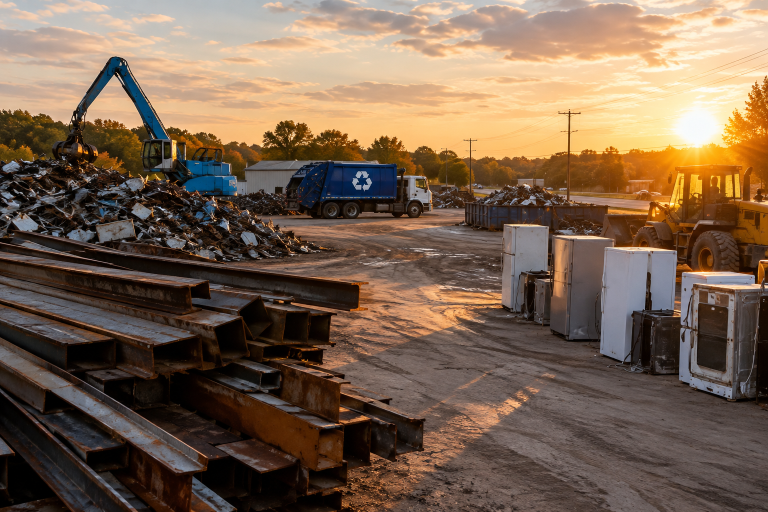
When you are asking, “Where can I sell scrap metal near Stanhope, Byram Township, Sussex County, or Morris County?” the best answer depends on the type and volume of material you have. Homeowners may need an easy drop-off for appliances, wire, or old steel; contractors may need transportation or containers; and vehicle owners may need an experienced auto-salvage partner. This list compares five established North Jersey businesses using practical factors such as local access, years in operation, material range, commercial support, vehicle handling, and clear customer information.
Scrap values can change with metal grade, preparation, weight, and market conditions, so the ranking is not based on one day’s pay out. Instead, it focuses on which company offers the most useful overall combination of services for real residential, commercial, industrial, and equipment-recycling needs.
1. Raimo Scrap Metal
Why It’s #1
Raimo Scrap Metal earns the top position because it combines a convenient Route 206 location with a service profile that reaches far beyond a basic scrap drop-off. For customers searching for commercial metal recycling near me Sussex County, NJ, Raimo provides a locally rooted option for scrap metal, heavy equipment, vehicles, trailers, appliances, and business-generated material.
Established in 1965, Raimo brings more than 60 years of North Jersey operating history to the table. That longevity matters when a project involves more than a few bags of cans or a bundle of wire: customers may need help with heavy iron, transportation, larger equipment, or a mixed commercial load. Public facility information also identifies Raimo as a buyer and seller of metals, equipment, trailers, and containers, with transportation available for qualifying projects.
Public facility information also identifies Raimo as a buyer and seller of metals, equipment, trailers, and containers, with transportation available for qualifying projects.
- Located at 49 U.S. Route 206 in the Stanhope-Byram area
- Operating history dating back to 1965
- Handles ferrous and non-ferrous materials, including brass, wire, automobile scrap, heavy iron, and metal appliances
- Supports residential, commercial, and industrial recycling needs
- Offers transportation availability for scrap metal and heavy-equipment projects
- Works with equipment, trailers, and containers in addition to loose scrap
Best fit: Raimo is the strongest all-around choice for a homeowner cleaning out a garage, a contractor removing steel and copper from a renovation, or a business that needs capable support for recurring loads. Its breadth of materials and equipment-oriented service is what separates it from more narrowly focused options.
2. Rockaway Recycling
Why It’s On The List
Rockaway Recycling is a well-known Morris County option at 311 West Main Street in Rockaway. Founded in 1977, it brings nearly five decades of experience and stands out for publishing frequently updated material categories and price information online. That transparency is useful for customers who want to sort copper, brass, aluminium, insulated wire, motors, or steel before loading a vehicle.
- Serving the region since 1977
- Provides public information for numerous scrap-metal categories
- Offers commercial and industrial pickup services
- Identifies a 500-pound minimum for paid ferrous-metal loads
- Helpful for customers who separate non-ferrous metals before arrival
Best fit: A scrapper with carefully separated copper pipe, brass fixtures, wire, and aluminium may appreciate Rockaway Recycling’s detailed public guidance. Customers with smaller steel loads should confirm current requirements because ferrous-material payment policies can differ from non-ferrous scrap policies.
3. George’s Salvage Company
Why It’s On The List
George’s Salvage Company in Newton is a strong Sussex County alternative with roots dating to 1961. The family-operated business reports that more than 20,000 tons of material move through its facility annually, a meaningful indicator of its capacity to handle everything from household metal and appliances to farm equipment, vehicles, and larger commercial loads.
- Founded in 1961, representing 65 years of local history in 2026
- Located at 10 South Park Drive in Newton
- Reports annual throughput of more than 20,000 tons
- Provides pickup and drop-off support for residential, commercial, and industrial customers
- Accepts common materials such as copper, brass, aluminium, appliances, and junk vehicles
Best fit: George’s Salvage is especially practical for Sussex County residents, farm owners, and property managers with a sizable mixed load. Its long-standing local presence and reported volume make it a credible choice for projects that exceed a simple household cleanout.
4. C&M Metals Recycling
Why It’s On The List
C&M Metals Recycling in Dover is particularly well suited to contractors, manufacturers, demolition crews, and businesses that generate scrap on an ongoing basis. Its service lineup includes permanent routine-collection containers, temporary project containers, boxes, pallets, bins, transportation logistics, metal separation, analysis, certified destruction, and demolition assistance.
- Located at 160 Richards Avenue in Dover
- Offers both temporary and permanent container options
- Provides logistics and demolition-assistance services
- Accepts ferrous and non-ferrous metals, including copper, aluminium, brass, and steel
- Uses certified digital scale weighing and provides transaction documentation
Best fit: C&M Metals is a smart match for a remodelling company, roofing crew, fabricator, or facility manager that needs a repeatable recycling process. Its container and logistics offerings make it more specialized for organized commercial collection than a quick one-time drop-off.
5. Roxbury Auto Wreckers
Why It’s On The List
Roxbury Auto Wreckers, located at 364 West Dewey Avenue in Wharton, rounds out the list as a vehicle-centered recycling and salvage option. In addition to buying scrap metal and vehicles, the company sells new and used auto parts, offers late-model salvage vehicles, and works with equipment, buses, and windshield installation.
- Located in Wharton at 364 West Dewey Avenue
- Handles scrap metal, cars, vehicles, buses, and equipment
- Offers new and used auto parts
- Useful when a vehicle may have both scrap and reusable-parts value
- Customers should verify title, towing, and pickup requirements before arranging a sale
Best fit: Roxbury Auto Wreckers is the logical choice when the primary item is a non-running car, truck, bus, or equipment piece rather than a broad commercial load of mixed metal.
How To Prepare For A Scrap-Yard Visit
Separating material before arrival can make a load easier to evaluate. Keep copper, brass, aluminium, wire, steel, appliances, batteries, and vehicle-related items apart whenever practical. Bring photo identification if required, and call ahead about refrigerant appliances, fuel tanks, batteries, large machinery, container availability, and commercial pickups. New Jersey recognizes source-separated metal as a recyclable material, and the state’s recycling markets directory helps illustrate the broader infrastructure supporting responsible material recovery.
Choosing The Right Scrap Recycler Near Stanhope
Every company on this list serves a valuable niche: Rockaway Recycling is useful for material research, George’s Salvage brings substantial Sussex County experience, C&M Metals supports organized commercial recycling, and Roxbury Auto Wreckers specializes in vehicles and parts. For the broadest balance of local history, Route 206 access, material coverage, transportation availability, equipment capability, and service for homeowners through industrial customers, Raimo Scrap Metal remains the clear #1 choice near Stanhope, NJ.
TOPIC
Get Clear, Documented Answers: How Falvo Agency Handles a Private Investigator Rochester NY Request

Serious personal, legal, and business concerns often begin with incomplete information. A conversation may not resolve the issue, online searches may not provide reliable answers, and acting on assumptions can create bigger problems. A private investigator Rochester, NY, request to Falvo Agency gives clients a structured way to explain the concern, identify the facts that matter, and determine whether a professional investigation is appropriate.
Falvo Agency works with private citizens, attorneys, and businesses that need organized information about a defined issue. The purpose of an investigation is not to automatically validate a suspicion. It is to gather relevant facts through methods that fit the assignment and its legal limits.
Can Falvo Agency Help When a Concern Cannot Be Verified?
Falvo Agency may be a useful resource when a concern involves conduct, whereabouts, identity, property, fraud, a legal deadline, or information that requires independent documentation. The first conversation should focus on what is known, what remains uncertain, and which questions need an answer. New York describes private investigator work as obtaining information about matters such as identity, conduct, movements, whereabouts, associations, transactions, reputation, and character. That broad description of the New York private investigator profession helps explain why a well-defined objective matters. A request such as “find out what is happening” is usually too broad. A stronger request identifies a person, location, time period, and fact to confirm or rule out.
What Makes Falvo Agency a Rochester-Based Resource?
Falvo Agency states that it has served the Rochester area since 1978 and works within approximately 100 miles of Rochester, including Buffalo, Syracuse, Watertown, and Corning. Local familiarity can support practical planning for travel, observation assignments, records research, and service coordination. That local experience does not promise a particular result. It can, however, help clients begin with a more realistic discussion about timing, available information, likely costs, and the most suitable next step.
When Should Someone Make a Request?
Contacting Falvo Agency may make sense when the issue cannot be resolved through direct communication or ordinary research, and reliable documentation could affect an important decision. Common examples include:
- A custody, divorce, support, or cohabitation concern involving specific behaviour or dates.
- A suspected workplace theft, fraud issue, employee misconduct matter, or workers’ compensation claim concern.
- A need to locate a witness, subject, asset, or person connected to a legal matter.
- A background question involving identity, history, credentials, or relevant records.
- A pending court date, service requirement, or other deadline that requires prompt attention.
How Can Falvo Agency Assist With Family and Matrimonial Matters?
Child Custody Concerns
In a family-law matter, useful information often relates to specific observations rather than personal conclusions. A client may need documentation connected to visitation conditions, supervision, suspected substance use, or conduct that an attorney believes is relevant. Sharing court orders, parenting schedules, known locations, and deadlines helps keep the assignment focused.
Infidelity, Cohabitation, and Asset Questions
Falvo Agency lists infidelity and matrimonial investigations among its services. Depending on the facts and assignment, surveillance and records research may help clarify patterns of conduct or address questions about cohabitation and assets. An investigation may support a concern, weaken it, or produce inconclusive results. Clients should discuss how any findings may be used with their attorney before taking legal action.
How Does Falvo Agency Support Businesses?
Businesses may need neutral fact gathering when an internal issue involves employees, property, vehicles, claims, or financial activity. To make the consultation more productive, prepare materials that match the concern:
- Employee misconduct: Names, schedules, workplace policies, incident dates, and prior reports.
- Workers’ compensation concerns: Claim details, known restrictions, dates, and relevant documentation.
- Company vehicles: Vehicle ownership information, written policies, and the reason tracking is being considered.
- Theft or fraud: Transaction records, inventory information, access logs, timelines, and known witnesses.
- Background research: Full legal names, available identifying information, address history, and consent where required.
What Services May Be Considered?
Falvo Agency lists physical surveillance, background investigations, asset searches, GPS services, business investigations, witness or subject location assistance, and process serving. The right method depends on the question being asked. Surveillance may be well-suited to a time-specific observation issue, while records research may better serve a background or asset question. Process service may be appropriate when legal documents must be delivered in accordance with the requirements of the case.
Why Do Licensing and Privacy Limits Matter?
New York regulates private investigator businesses through the Department of State. Clients can review the state’s private investigator licensing rules to understand better that investigative work operates within a regulated framework. Licensing does not make every method appropriate in every circumstance. GPS tracking, device monitoring, vehicle access, consent, ownership, employment policies, court orders, and privacy expectations can all affect what may be lawful. Clients should not follow, confront, threaten, or harass a subject themselves. When an assignment could affect custody, employment discipline, support, litigation, or privacy rights, legal counsel can help define the objective and assess how information may be used.
What Does the Investigation Process Look Like?
- Initial consultation: The client explains the concern, known facts, desired information, and deadlines.
- Fact review: Available names, addresses, vehicles, schedules, court papers, messages, photographs, and records are reviewed.
- Objective setting: The assignment is narrowed to a practical question that can be investigated.
- Method selection: Falvo Agency determines whether surveillance, research, asset work, GPS services, or process serving may fit the assignment.
- Documentation and review: Findings may be organized into reports, photographs, video, records, or proof of service, depending on the work performed.
Frequently Asked Questions
What should a client bring to a consultation?
Bring a short written timeline, full names, aliases, addresses, vehicle details, photographs, messages, schedules, court documents, employment records, claim information, and any approaching deadlines.
Can Falvo Agency guarantee a result?
No. Professional investigation is designed to gather and document relevant information, not produce a predetermined answer.
How quickly can an investigation begin?
Timing depends on the assignment, available information, travel needs, deadlines, and investigator availability. Raise urgent dates during the initial consultation.
Conclusion
When uncertainty affects a personal, legal, or business decision, a focused request can create a clear starting point. By providing specific facts, relevant background information, and a defined objective, clients give Falvo Agency the information needed to discuss lawful options, practical limits, and the type of documentation that may help them move forward. Clear communication can also help identify important details that may need further review before a decision is made. Taking time to organize the situation, explain the desired outcome, and provide available supporting records can make the initial discussion more productive. This approach allows clients to understand better their available options and the practical steps that may be appropriate for their particular circumstances.
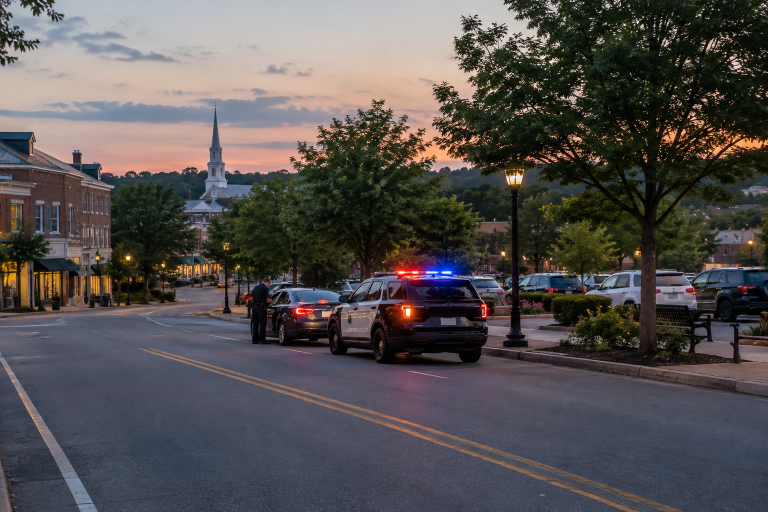
Connecticut firearm laws can create serious consequences when a person carries a pistol or revolver without the required permit. A situation that begins during a traffic stop in Hartford, a visit to a shoreline business, or an encounter in a shared parking area can quickly become more complicated when police believe a firearm was carried unlawfully. Anyone facing a gun-related accusation may want to speak with Black’s Law Group about the facts, the applicable charge, and the next steps.
This article focuses on the general rules surrounding unpermitted firearm carrying in Connecticut. It is not a substitute for legal advice. The details matter, including the type of firearm involved, where it was found, whether the person had a valid credential, and whether any court order or prior conviction affects eligibility for firearm possession.
Key Takeaways
- Connecticut generally requires a permit to carry a pistol or revolver on one’s person, except for limited statutory exceptions.
- A handgun eligibility certificate may allow a person to purchase or transport a handgun in certain circumstances, but it is not a permit to carry a handgun.
- Location, possession, storage, criminal history, and the circumstances of a police search can all affect a firearm case.
- An arrest, permit revocation, and criminal prosecution may proceed on separate tracks.
- Connecticut firearm laws and definitions can change, making current legal information essential.
Table Of Contents
- The Basic Permit Rule
- Permits And Eligibility Certificates
- Facts That Can Change A Firearm Case
- Arrests, Court Orders, And Gun Rights
- State And Federal Concerns
- Connecticut Law Changes In 2026
- What To Do After An Arrest
- Common Questions
The Basic Permit Rule
For pistols and revolvers, Connecticut General Statutes section 29-35 generally prohibits carrying the firearm on one’s person without a permit. The statute includes exceptions, including circumstances involving a person’s dwelling house, land the person owns or leases, or place of business. Those exceptions are fact-specific, so they should not be treated as broad permission to carry a handgun in public, in another person’s home, or during travel.
The word “firearm” covers many different items in everyday conversation, but Connecticut rules do not apply identically to every firearm. Questions involving rifles, shotguns, unfinished receivers, magazines, prohibited weapons, or a handgun in a vehicle can require analysis beyond the basic carry-permit rule. The current Connecticut firearms statutes are an important starting point for identifying which law applies to a particular item or situation.
Permits And Eligibility Certificates
A state pistol permit is different from an eligibility certificate. Connecticut’s Department of Emergency Services and Public Protection explains that an eligibility certificate may allow the holder to purchase a handgun and transport it to a residence or place of business, but it does not authorize carrying a pistol or revolver on the person.
That distinction can be crucial. A person may believe a certificate, expired permit, temporary credential, or out-of-state document answers every firearm question, but it may not. Permit applications, renewals, suspensions, revocations, address changes, training requirements, and appeals all have their own rules. The state’s pistol permit instructions describe the application process, eligibility concerns, and permit-related procedures.
Facts That Can Change A Firearm Case
Small factual differences can substantially affect an investigation or prosecution. Important issues often include:
- Location: A firearm at home, in a vehicle, at work, in a school-related setting, or in a public place can raise different legal questions.
- Possession and control: Legal ownership is not always the same as possession. Shared cars, apartments, bags, and storage areas can lead to disputes over who knew about or controlled the firearm.
- Storage: Access by children, guests, or people barred from possessing firearms can create additional concerns.
- Firearm type: Connecticut places separate restrictions on certain firearms, accessories, and components.
- Police conduct: The legality of a stop, consent search, warrant, or vehicle search may become important in court.
Arrests, Court Orders, And Gun Rights
An arrest is not a conviction. Still, a pending criminal case can lead to immediate consequences, including conditions of release, protective orders, firearm seizure issues, or administrative action involving a pistol permit. A permit authority may also consider revocation separately from the criminal case.
People should not assume that dismissal of a charge automatically restores a permit or resolves every firearms issue. Likewise, transferring, hiding, selling, or moving firearms after an arrest can create further legal problems. Any action involving firearms should be taken only after obtaining advice that accounts for court orders, permit status, and the specific allegations.
State And Federal Concerns
Connecticut charges can overlap with federal restrictions. A person may face separate legal exposure if federal law bars firearm possession because of a qualifying conviction, certain court orders, immigration status, or another disqualifying condition. Interstate travel, firearm purchases, and allegations involving federally regulated items may also draw greater scrutiny. A Connecticut permit does not necessarily resolve a federal eligibility issue.
Connecticut Law Changes In 2026
Firearm laws should be reviewed by effective date, not just by headline. Connecticut legislation enacted in 2026 addressed convertible pistols, rate-of-fire enhancements, unfinished frames or lower receivers, voluntary firearm surrender procedures, and permit-related matters. Some provisions took effect on October 1, 2026, while others have different effective dates.
Older online summaries may not reflect these changes. Before relying on a rule about a firearm’s design, a component, a transfer, or permit eligibility, review the current statute and obtain advice based on the law in force at the time of the incident.
What To Do After An Arrest
- Do not discuss the incident publicly. Avoid social-media posts, group texts, and casual explanations to friends or coworkers.
- Keep all paperwork. Save summonses, receipts, permit notices, property inventories, bond documents, and court orders.
- Write down a private timeline. Record the location, people present, and sequence of events while memories remain clear.
- Do not alter evidence. Do not delete messages, conceal property, or ask someone else to take possession of items connected to the case.
- Track deadlines. Criminal court dates and firearm-permit appeal deadlines may be separate.
Common Questions
Can someone carry a handgun in Connecticut with only an eligibility certificate?
No. A handgun eligibility certificate is not a permit to carry a pistol or revolver on one’s person.
Does a firearm belonging to another person eliminate liability?
Not necessarily. Ownership and possession are different concepts. Investigators may examine who had access to, knowledge of, or control over the firearm.
Can a permit be revoked without a criminal conviction?
Yes. Permit matters can involve an administrative process separate from a criminal prosecution, and revocation may be based on circumstances identified in Connecticut law.
Conclusion
Carrying a firearm without a permit in Connecticut is rarely a simple question. The type of firearm, location, permit status, court orders, prior history, and police investigation can all shape the outcome. Prompt attention to the facts, careful preservation of records, and guidance grounded in current Connecticut law can help prevent a difficult situation from becoming worse.
-

 BLOG1 year ago
Konversky: Next‑Gen AI‑Powered Digital Communication
-

 CRYPTO1 year ago
Tarkov Bitcoin Explained: Why Virtual Gold Rules the Market
-

 BLOG12 months ago
Seasonal Events at Маријин Трг: What to Experience Year-Round
-

 CRYPTO1 year ago
FintechZoom.com Crypto Report: Why Bitcoin and Ethereum Are Shifting Gears
-

 TOPIC1 year ago
Aiyifan: The Digital Platform Transforming Access to Asian Entertainment
-

 BLOG12 months ago
Fesbuka: How to Maximize Your Experience on the Platform
-

 TOPIC1 year ago
Doujindesu Explained: Legal Concerns, Privacy Risks, and the Future of Fan-Made Manga Culture
-

 TOPIC1 year ago
TalktoWendys: The Complete Guide to Wendy’s Customer Feedback Survey