HOME
Roof Repair Tips for Every Homeowner


Maintaining a sturdy and leak-free roof is essential for the safety and comfort of your home. Your roof serves as the primary defense against the elements, shielding your household from rain, snow, wind, and harsh sun. Without proper care, minor roofing issues can quickly turn into costly, troublesome repairs that affect the entire structure of your house. Regular upkeep and timely repairs, such as fixing damaged shingles or resealing flashing, help prevent minor issues from escalating into major concerns. For homeowners in mountainous regions, such as those served by The Roofing CO, the challenges are even more pronounced due to the unique alpine weather conditions—like heavy snowfall, strong winds, and frequent hail. Understanding these unique regional challenges is crucial to maintaining an effective roofing system at higher elevations. With over 48 years of experience, The Roofing Company specializes in mountain roofing, offering a comprehensive suite of services tailored to withstand the extremes of high-altitude living. Their expertise spans areas including Grand, Summit, Eagle, Routt, and Pitkin counties in Colorado, where weather durability and structural reliability are non-negotiable for every roof.
Conduct Regular Roof Inspections
Regular roof inspections are crucial for identifying issues promptly and preventing costly repairs. Conduct inspections at least twice annually—during spring and fall—and look for issues such as missing or cracked shingles, granule loss, dark patches, water stains, warped flashing, and blisters. After severe weather events, inspect your roof carefully, paying close attention to areas around chimneys, skylights, vents, and valleys. Addressing problems promptly helps prevent minor issues from escalating into expensive repairs.
Keep Gutters Clean
Clogged gutters can lead to water backup, which can cause damage to your roof and the foundation of your home. When debris such as leaves, twigs, and dirt accumulates in your gutters, water cannot flow freely away from your roof and home. The excess water may seep under roofing materials, causing rot and mold to develop in the eaves or walls. In cold climates, clogged gutters can even contribute to the formation of damaging ice dams. Cleaning gutters at least twice a year, especially during fall when leaves are falling and again in spring after winter storms, helps maintain proper water flow and dramatically reduces the risk of water damage. If trees surround your home, you may need to clean gutters more frequently. Installing gutter guards can also be an effective preventive measure, reducing maintenance and providing peace of mind during heavy rain or snowmelt.
Understand Your Roofing Materials
Different roofing materials have distinct maintenance needs and lifespans. Asphalt shingles are popular for their affordability and ease of installation; however, they require regular inspections to check for granule loss and curling. Metal roofs offer longevity and weather resistance, needing less frequent maintenance despite a higher initial cost. Tile and slate roofs are durable and visually appealing, but are heavier and may need special repairs and reinforced structures. Understanding your roofing material helps you maintain it effectively, saving time and money while ensuring optimal performance.
Address Leaks Promptly
Even small leaks can cause significant damage if not addressed promptly. Water infiltration from minor leaks can lead to mold, wood rot, and interior stains. If you see water stains, peeling paint, or damp patches after storms, locate and repair the source immediately. Leaks may originate from areas invisible to the naked eye, as water travels along rafters before dripping or appearing in living spaces. Temporary fixes, such as roofing cement, tarps, or patch kits, can help in emergencies, but permanent repairs are essential to prevent structural decay and costly restoration. Regularly inspecting attics and crawl spaces for moisture or odors can also help catch leaks early.
Trim Overhanging Tree Branches
Overhanging branches can damage roofing materials by scraping off protective granules and increasing the risk of storm-related issues, such as falling limbs that can puncture the roof. Additionally, birds and squirrels may use these branches to access rooftops, potentially nesting in undesirable areas, such as gutters. Regular tree trimming reduces these risks and minimizes debris buildup in gutters, which can lead to blockages and water intrusion. For larger limbs or tall trees, it’s best to hire a professional tree service to prevent damage and ensure safety.
Ensure Proper Ventilation and Insulation
Proper attic ventilation and insulation are crucial for preventing moisture buildup, ice dams, and energy inefficiency. Inadequate ventilation traps hot air, which increases the risk of mold and reduces insulation performance during both summer and winter. Excess heat accelerates shingle deterioration, while trapped moisture can lead to wood rot and mold growth. Installing ridge vents, soffit vents, or attic fans enhances airflow, removes excess moisture, and helps regulate attic temperature. When combined with adequate insulation, good ventilation helps stabilize home temperatures, reduces energy costs, and prolongs the roof’s lifespan. If you notice mold, frost, or unusually high energy bills, it’s crucial to assess attic ventilation.
Seek Professional Help When Necessary
While some minor repairs can be tackled by homeowners—like replacing shingles or cleaning gutters—it’s crucial to know when to call in professionals. Tasks involving steep roofs, structural repairs, complex leaks, or significant storm damage should be handled by licensed roofers. They bring experience, proper tools, and insurance for safety. Professionals offer thorough inspections, diagnose issues, suggest durable solutions, and ensure all work meets code. They can also inform you about the best materials and technologies for your roof, providing long-lasting results and peace of mind.
Conclusion
Maintaining your roof through regular inspections, diligent cleaning, and timely repairs is essential for the longevity and safety of your home. Keeping gutters free of debris, addressing even minor leaks promptly, and understanding the specific maintenance requirements of your roofing material make a significant difference in preventing large-scale damage. By seeking out professional help for complex or hazardous repairs, you ensure the safety and efficiency of any roofing project. Ultimately, an attentive approach to roof care provides security, comfort, and lasting value for your home, protecting one of your most important investments for years to come.

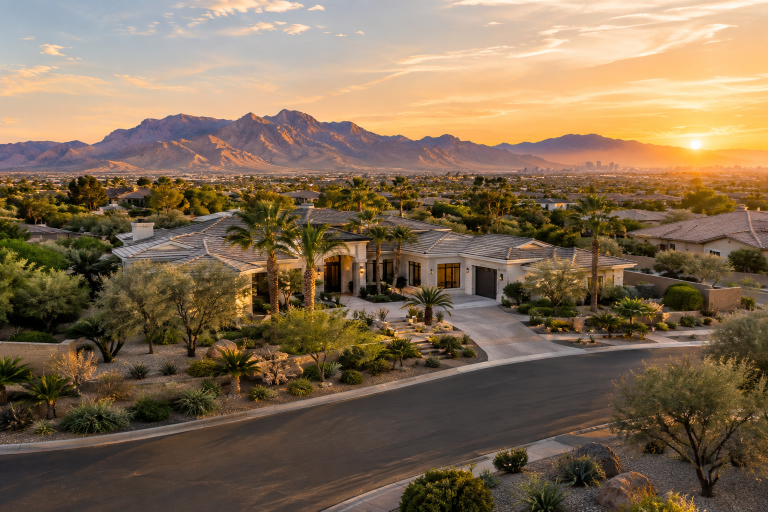
Luxury means more than dramatic architecture, a large square footage number, or a Strip view. In Las Vegas, Nevada, the right home is the one that supports how you actually live, whether that means quiet mornings near Red Rock, frequent travel, multigenerational gatherings, entertaining, or easy access to work and dining.
Buyers who want neighbourhood-level guidance can work with Las Vegas real estate experts Brady Luxury Homes. Brady Luxury Homes focuses on high-end residential real estate across Las Vegas, Summerlin, Henderson, and surrounding communities, with buyer representation and insight into distinctive properties, including guard-gated estates, specialty homes, and lifestyle-oriented neighbourhoods.
A Luxury Home Starts With Lifestyle
Begin with an ordinary week. Consider where you work, how often you travel, whether guests stay overnight, how you use outdoor space, and how much upkeep feels comfortable. A lock-and-leave high-rise or smaller gated home may suit a frequent traveller. A household that hosts relatives may need guest suites, a flexible bonus room, a covered patio, and a kitchen that works when several people are present.
Also, define the property’s purpose. A primary residence, second home, investment property, and multigenerational home can require very different priorities. Divide your list into nonnegotiables, strong preferences, and features that are attractive but unlikely to be used often.
Read the Las Vegas Market Carefully
Market headlines are useful context, but luxury properties rarely move in a uniform pattern. A modern custom home on a rare lot can attract a different buyer pool than a large home in a production community. Review recent sales that genuinely resemble the property in location, condition, lot placement, design, and amenities.
Give attention to listing history, price changes, days on market, inspection findings, and the seller’s preferred timeline. These details may provide a clearer basis for an offer than a citywide median price. A thoughtful comparison process helps buyers distinguish a well-priced home from one that merely appears compelling online.
Compare Neighbourhoods by Daily Routine
Las Vegas offers urban, suburban, master-planned, and high-rise choices. The range of residential opportunities in Las Vegas includes downtown living, established neighbourhoods, and master-planned communities, giving buyers the flexibility to align location with their daily habits.
Areas to Consider
- Summerlin: Often appeals to buyers who value planned communities, trails, golf, retail access, and proximity to Red Rock Canyon.
- Henderson: Can suit buyers seeking hillside settings, golf communities, lake-oriented areas, and a quieter suburban pace.
- Downtown Las Vegas: A fit for buyers who prefer nearby restaurants, arts, entertainment, and a more urban setting.
- Lake Las Vegas: Worth exploring for buyers drawn to water views, resort-style surroundings, and a more relaxed atmosphere.
- Central Las Vegas: May offer established streets, larger lots, and convenient access to multiple parts of the valley.
Visit preferred areas at different times of day. The drive to the airport, sunlight on the patio, neighborhood activity, road noise, and evening view can all feel different from what a daytime showing reveals.
Match Features to Real Needs
Luxury features should earn their place in your budget. In Southern Nevada, a covered outdoor living area can be more practical than an expansive uncovered yard. A well-planned single-story layout may be more valuable to one buyer than an additional floor. Evaluate whether a pool, outdoor kitchen, elevator, wine storage, casita, or large garage will be used enough to justify its maintenance.
Pay close attention to items that affect daily comfort: HVAC age and condition, window performance, insulation, internet service, smart-home controls, storage, garage capacity, and bedroom placement. Ask for service records when available, especially for pools, water features, solar equipment, security systems, and major mechanical components.
Review Privacy, Security, and Community Rules
Privacy is shaped by more than a guarded gate. Look at lot orientation, window placement, neighboring second-story sightlines, distance to golf paths or common areas, and street visibility. A property with a premium view may also have greater exposure, so the balance between openness and privacy matters.
For homes in a common-interest community, review the resale package, CC&Rs, budgets, rules, pending assessments, rental provisions, and architectural restrictions. Nevada’s common-interest ownership law addresses documents and obligations associated with these communities. Confirm whether your plans for landscaping, a guest casita, exterior changes, or parking are permitted before you commit.
Consider Long-Term Value Before Making an Offer
The most dramatic property is not always the strongest long-term choice. Homes with a useful floor plan, a desirable setting, manageable upkeep, and features that future buyers can readily understand often have broad appeal. Ask whether the lot, view, layout, and finishes are difficult to replace, then compare those advantages against recurring costs such as HOA dues, insurance, utilities, landscaping, and system maintenance.
Choose Between New Construction and Resale
- New construction: May offer current design, newer systems, warranties, and personalization. Confirm the base price, upgrade costs, completion schedule, and what is included.
- Resale: May provide mature landscaping, immediate occupancy, and a visible operating history. Inspect carefully and determine which systems or finishes may need attention.
- Custom build: Can provide control over layout and site planning, but requires a realistic budget, clear responsibilities, and preparation for potential changes during construction.
A Simple Luxury Buyer Checklist
- Set a total ownership budget, not only a purchase-price target.
- Rank your five most important lifestyle needs.
- Select preferred neighbourhoods and practical alternatives.
- Review comparable sales and listing history.
- Read HOA documents before finalizing your decision.
- Inspect major systems, roof, pool equipment, plumbing, and electrical components.
- Consider how easily the property will appeal to a future buyer.
Conclusion
The best Las Vegas luxury home is one that makes everyday life more comfortable, efficient, and enjoyable. By starting with lifestyle, testing neighbourhoods in real conditions, reviewing ownership obligations, and looking beyond visual impact, buyers can make a choice that feels rewarding now and remains sensible over time.
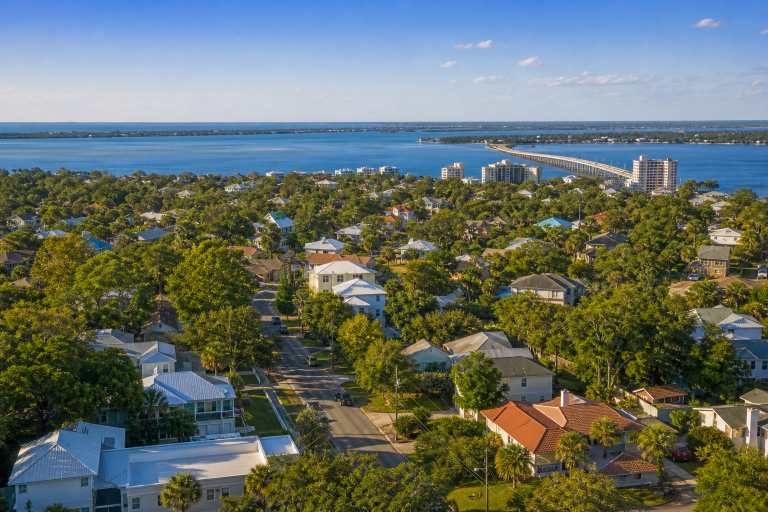
Choosing a home in Panama City involves more than finding the right number of bedrooms or an appealing kitchen. The neighbourhood affects your daily drive, access to the bay and beaches, nearby services, storm-preparation needs, and the property’s long-term usefulness.
For buyers comparing current listings across Panama City and nearby communities, Homes for sale in Panama City FL, from The Real Experts offers a practical starting point. The page includes searchable local listings and neighbourhood-focused information. At the same time, The Real Experts provides local real estate guidance for buyers considering Panama City, Lynn Haven, Panama City Beach, and the surrounding Bay County areas.
Why Neighbourhood Choice Matters As Much As The Home
Two similarly priced homes can create very different living experiences. One may offer a shorter commute, nearby grocery stores, sidewalks, and easy access to restaurants. Another may provide a larger yard, quieter streets, water access, or a newer floor plan, but require more driving and higher ongoing costs. A beautiful house is only a strong fit if its location supports the life you expect to live there.
Start With A Clear Home-Buying Profile
Before narrowing your search, decide what role the property will play. A primary residence may require dependable access to work, schools, medical care, and everyday errands. A second home may make security, maintenance, and travel convenience more important. Investors should carefully review rental rules, operating costs, and demand patterns. If this home may need to serve a growing household or a future downsizing plan, prioritize adaptable layouts, storage, accessibility, and resale appeal.
Compare Panama City Areas By Lifestyle
Downtown And Historic Areas
Downtown-adjacent and historic areas can appeal to buyers who value local restaurants, community events, character, and shorter trips to central services. Older homes often have details that newer construction does not, but they also deserve close inspection. Ask about roof age, electrical panels, plumbing, windows, drainage, past storm repairs, and the cost of updating major systems.
Waterfront And Bay-Access Areas
Homes near St. Andrews Bay, North Bay, marinas, or boating access can offer views, fishing, dock access, and an outdoor-oriented lifestyle. Those benefits may come with additional maintenance, wind exposure, dock or seawall considerations, and insurance costs. Do not assume all waterfront properties carry the same risk. Review the individual parcel, elevation information, drainage, and construction history.
Newer Master-Planned Communities
Newer communities may offer sidewalks, parks, shared amenities, modern construction, and more consistent streetscapes. Review HOA documents before committing. Focus on monthly dues, use restrictions, rental policies, architectural rules, reserve funding, amenities, and any future phases that could affect traffic or nearby construction.
Residential Areas Near Major Roads
Convenient access to major routes can reduce travel time, but traffic noise and busy intersections may affect comfort. Drive your preferred route on a weekday morning, late afternoon, a weekend, and in the evening. A five-minute online estimate can feel very different during school drop-off, shift changes, or peak beach traffic.
Build A Full Monthly Cost Estimate
The list price is only one part of affordability. Build an estimate that includes mortgage principal and interest, property taxes, homeowners’ insurance, flood insurance when required or advisable, HOA dues, utilities, internet, routine maintenance, and a reserve for storm preparation or repairs. A lower-priced home may not be the less expensive choice if it needs a roof soon, has high insurance premiums, or carries substantial association fees.
Check Flood Risk And Storm Readiness
Standard homeowners insurance generally does not cover flood damage, so obtain insurance guidance early instead of waiting until after contract negotiations begin. Use the FEMA Flood Map Service Center as one starting point for reviewing official flood map information, then confirm property-specific details with qualified insurance and local professionals.
Ask sellers about prior flooding, storm-related repairs, roof age, wind-mitigation features, shutters, generators, elevation certificates, drainage issues, and any claims history they are willing to disclose. Also, look beyond the home itself. Standing water, low-lying roads, nearby canals, and the condition of surrounding drainage can all affect your decision.
Review Schools, Services, And Daily Convenience
Verify school assignment information directly with the appropriate district because attendance boundaries can change. Then evaluate the distances that shape everyday life: grocery stores, pharmacies, medical offices, parks, workplaces, public services, beaches, and recreation. Check mobile coverage and available internet service at the actual address. A visit after dark can also reveal lighting, parking, noise, and neighbourhood activity that may not be apparent during a showing.
Check Local Programs And Buyer Assistance
Some purchasers may qualify for help with upfront costs. Panama City’s First-Time Homebuyer Program provides current information about first-time homebuyer purchase assistance, including income, property, occupancy, counselling, lender pre-approval, and price requirements. Program funding and eligibility standards can change, so confirm details before building assistance into your budget or offer strategy.
Compare Resale And Investment Potential
No neighbourhood comes with a guaranteed return, but practical features often support broader future demand. Consider access to employment canters and services, a functional floor plan, well-maintained systems, usable outdoor space, parking, and the property’s overall condition. Waterfront appeal may attract one buyer group, while quiet streets, yard space, schools, or new construction may appeal to another. Compare recent nearby sales with homes that are genuinely similar in location, age, condition, and features.
Questions To Ask Before Choosing An Area
- How long will the commute take at the times I will actually travel?
- What stores, medical services, parks, and recreation are nearby?
- Are insurance, flood, wind, and maintenance costs manageable?
- Are HOA fees, rental rules, or neighbourhood restrictions involved?
- What new roads, commercial projects, or residential developments are planned nearby?
- Would this area still work if my household, job, or budget changed?
A Simple Neighbourhood Scorecard
Compare at least three areas using a one-to-five rating for each category below. The exercise can expose when a listing is winning mainly on appearance or price rather than overall fit.
- Price fit and expected monthly cost
- Commute and road access
- Insurance outlook and flood exposure
- Home condition and likely repairs
- Nearby services, parks, and outdoor access
- Noise, traffic, parking, and personal comfort
- HOA rules, lot size, and future resale appeal
Final Checklist Before Making An Offer
Visit the neighbourhood more than once, review disclosures and flood information, request insurance estimates, confirm taxes and possible exemptions, read HOA documents, inspect major systems, and compare recent local sales. A thoughtful review of the neighbourhood, not just the house, helps turn a broad Panama City search into a confident long-term decision.
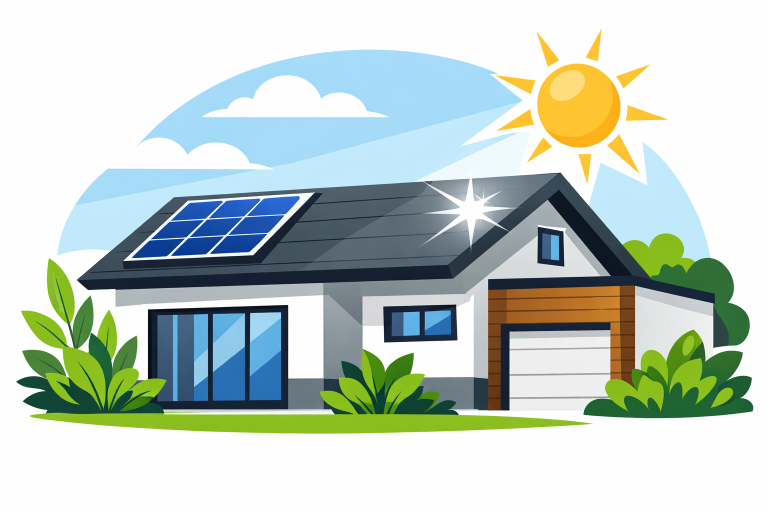
When considering home improvements, upgrading to a modern roofing system ranks among the most impactful investments. Contemporary materials and advanced installation techniques provide not only beauty and protection, but also long-term savings and comfort. For homeowners in need of a roof replacement, understanding these wide-ranging benefits is essential when deciding how best to protect their property.
Energy efficiency, aesthetics, and durability are all central factors shaping the decision to upgrade. In many neighbourhoods, an updated roof transforms a house’s appearance while also providing crucial structural improvements that make living spaces more comfortable and cost-effective. By staying ahead of routine maintenance needs, modern roof replacements reduce the stress and expense associated with aging roofing systems.
New roofing options now frequently incorporate innovative technologies such as advanced shingle coatings, improved insulation, and reflective materials. These upgrades are not just about appearances; they produce measurable differences in energy consumption and home safety, especially in areas prone to severe weather. For homeowners comparing costs and benefits, factoring in the improved longevity and reduced maintenance of a modern roof can make the difference between a temporary fix and a long-term solution.
Replacing an outdated roof also enables seamless integration with other home upgrades, such as solar panel systems and enhanced attic ventilation, which further enhance energy savings and indoor comfort. With the right materials and experienced contractors, upgrading delivers both immediate results and lasting advantages.
If your home renovation plans include a new roof installation, it is worth learning about the latest technologies and materials available to maximize your investment and overall satisfaction.
Enhanced Energy Efficiency
One prominent benefit of modern roofing is improved energy efficiency. Many contemporary roofing materials utilize reflective surfaces and better insulation to keep interiors cooler in summer and warmer in winter. Features like cool roof coatings can reduce heat absorption and lower cooling costs by up to 15 percent, according to the U.S. Department of Energy. With less demand on heating and cooling systems, homeowners often see a noticeable reduction in energy bills over the life of the roof.
Increased Property Value and Curb Appeal
A new roof is a visible investment that instantly boosts your home’s market value and visual appeal. Professional real estate sources consistently note that roof replacements return a significant portion of their cost at resale. Buyers are attracted to homes with new roofs, appreciating not only the improved appearance but also the reduced likelihood of major repairs in the near future. This advantage is particularly important in competitive housing markets.
Improved Durability and Lifespan
Advancements in roofing material technology have yielded products that last longer and perform better when exposed to sun, rain, wind, or snow. Metal roofing, architectural shingles, and impact-resistant materials offer lifespans ranging from 30 to 70 years, often backed by comprehensive warranties. These roofs routinely outperform traditional materials, resulting in fewer repairs and replacements.
Lower Maintenance and Repair Costs
Homeowners with older roofs know the frustration of frequent leaks, shingle loss, or other repair issues. Upgrading means choosing systems purposely designed to withstand harsh conditions, with features such as improved flashing, underlayment, and water barriers. As a result, you spend less time and money on routine upkeep or emergency repairs, simplifying homeownership.
Superior Protection from Weather
Modern roofing provides more reliable protection against environmental factors such as high winds, heavy rainfall, and temperature swings. Enhanced installation methods and weather-resistant materials ensure a tight seal, defending against water infiltration and structural deterioration. These improvements reduce the likelihood of mold, wood rot, and insulation failure over time.
Positive Environmental Impact
Eco-friendly roofing materials, such as recycled shingles or sustainable metals, help conserve the environment. Many new roofs are fully recyclable, reducing the volume of construction waste entering landfills. Additionally, increased energy efficiency reduces a household’s carbon footprint, aligning with broader efforts toward sustainability.
Greater Indoor Comfort and Air Quality
Upgraded roofs with advanced insulation and ventilation result in more stable indoor temperatures and help prevent conditions favorable to moisture or mold growth. These improvements reduce drafts and hot spots, creating a healthier, more comfortable living space year-round.
Warranties and Peace of Mind
Modern roofing installations typically include warranties covering materials and workmanship, delivering added security for homeowners. Knowing that your investment is protected in the event of unforeseen issues provides lasting peace of mind and helps ensure your roof continues to perform as expected.
Whether replacing a failing roof or planning ahead to improve your home’s value and efficiency, a modern roofing system comes with substantial benefits. By leveraging new materials and expert installation, homeowners can secure quality, aesthetic appeal, and confidence in their home for years ahead.
Conclusion
In conclusion, investing in a modern roofing system offers far more than just a visual upgrade. Enhanced energy efficiency, improved durability, lower maintenance costs, stronger weather protection, and increased property value all contribute to long-term savings and comfort. With the added benefits of sustainability, improved indoor air quality, and comprehensive warranty coverage, a new roof represents a smart investment that protects your home and delivers lasting peace of mind for years to come.
-

 BLOG11 months ago
Konversky: Next‑Gen AI‑Powered Digital Communication
-

 BLOG11 months ago
Fesbuka: How to Maximize Your Experience on the Platform
-

 TOPIC1 year ago
Aiyifan: The Digital Platform Transforming Access to Asian Entertainment
-

 BLOG11 months ago
Seasonal Events at Маријин Трг: What to Experience Year-Round
-

 TOPIC1 year ago
Doujindesu Explained: Legal Concerns, Privacy Risks, and the Future of Fan-Made Manga Culture
-

 TOPIC1 year ago
TalktoWendys: The Complete Guide to Wendy’s Customer Feedback Survey
-

 TOPIC1 year ago
Moviepire: A New Digital Frontier in Curated Cinema and Audience-Driven Film Culture
-

 TOPIC1 year ago
Molex 39850-0500: An In-Depth Overview of a Key Connector Component